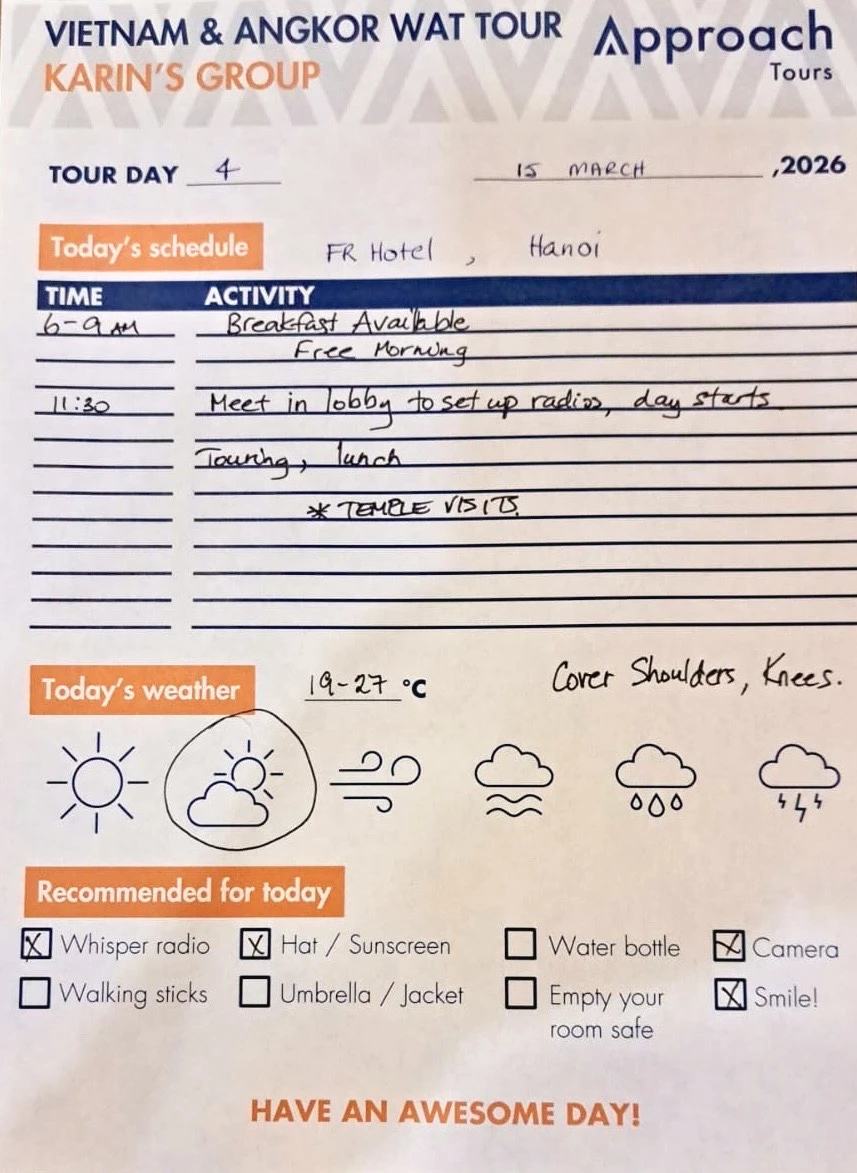
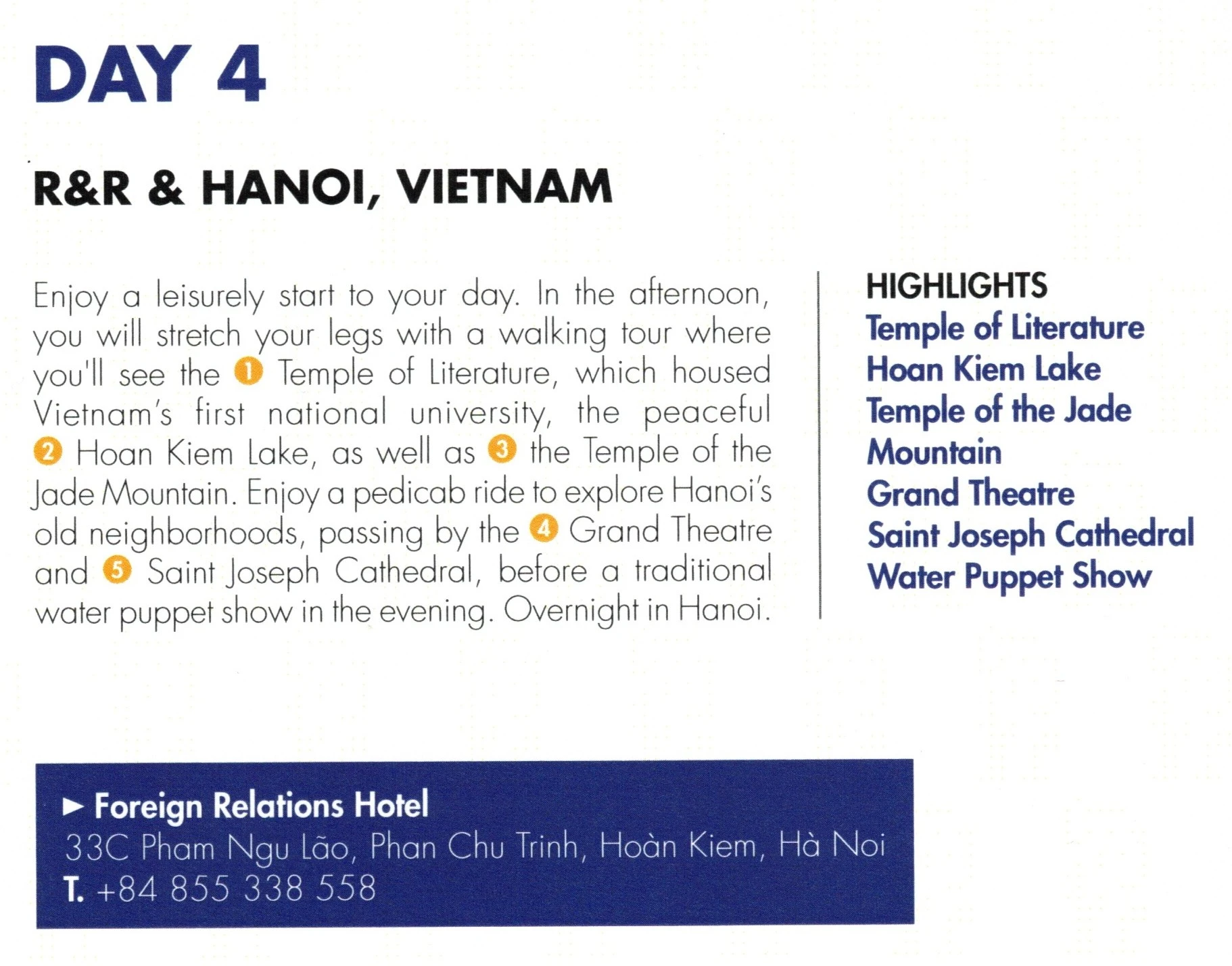
Every evening Karin sent us a schedule of what we would be doing on the following day. Our Approach book had a more detailed agenda for our first full day in Hanoi (day 4 of the overall journey).
HANOI • MOTORBIKES
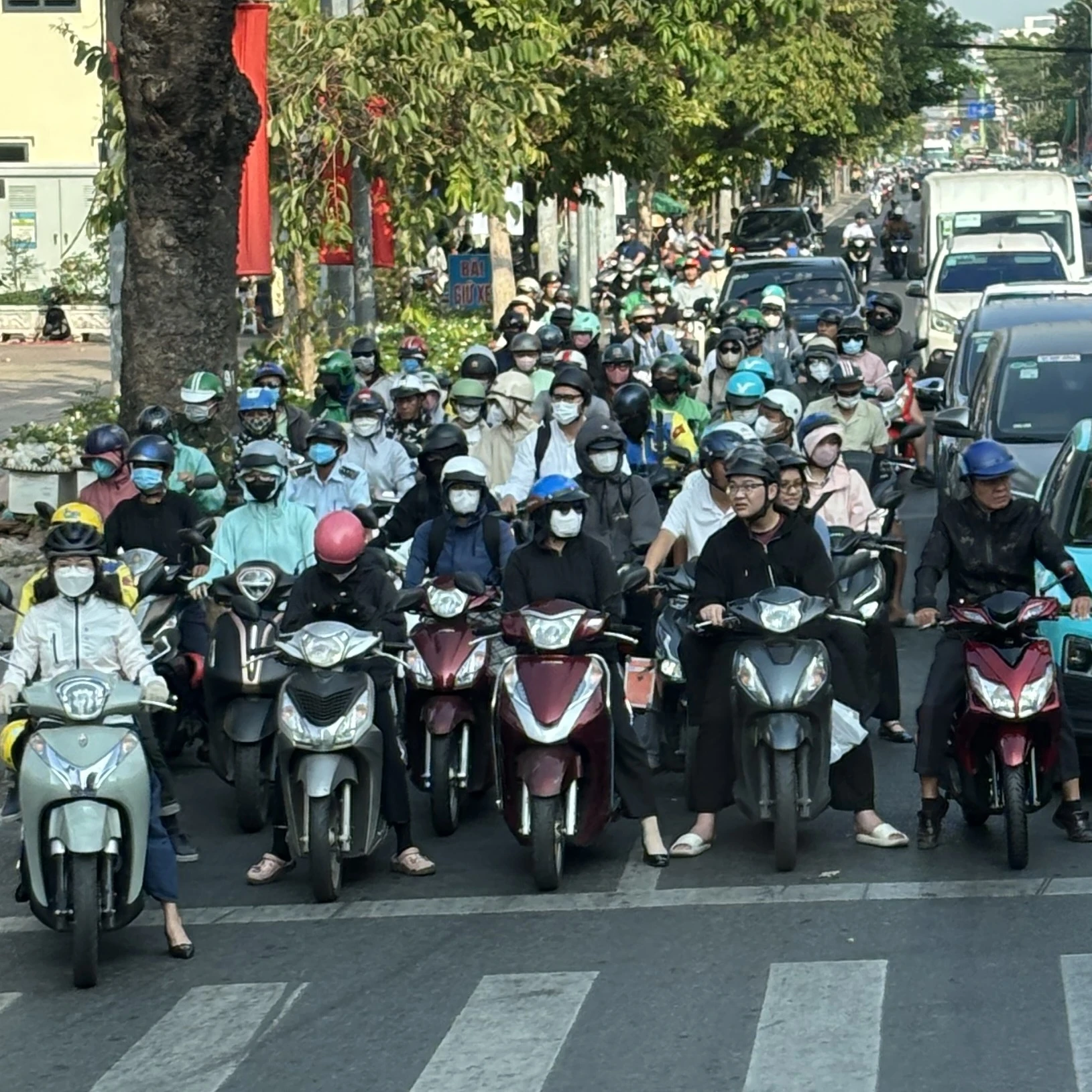
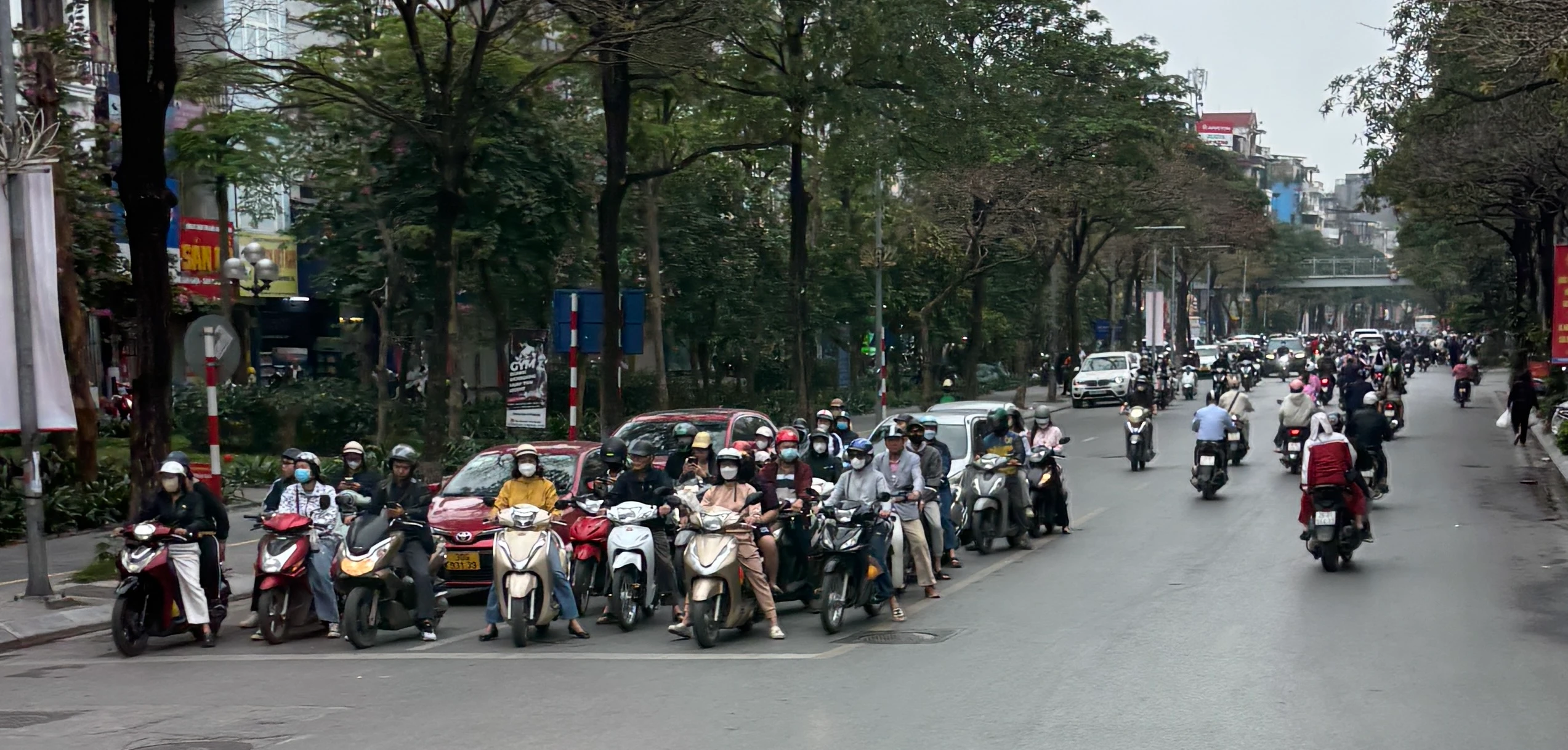
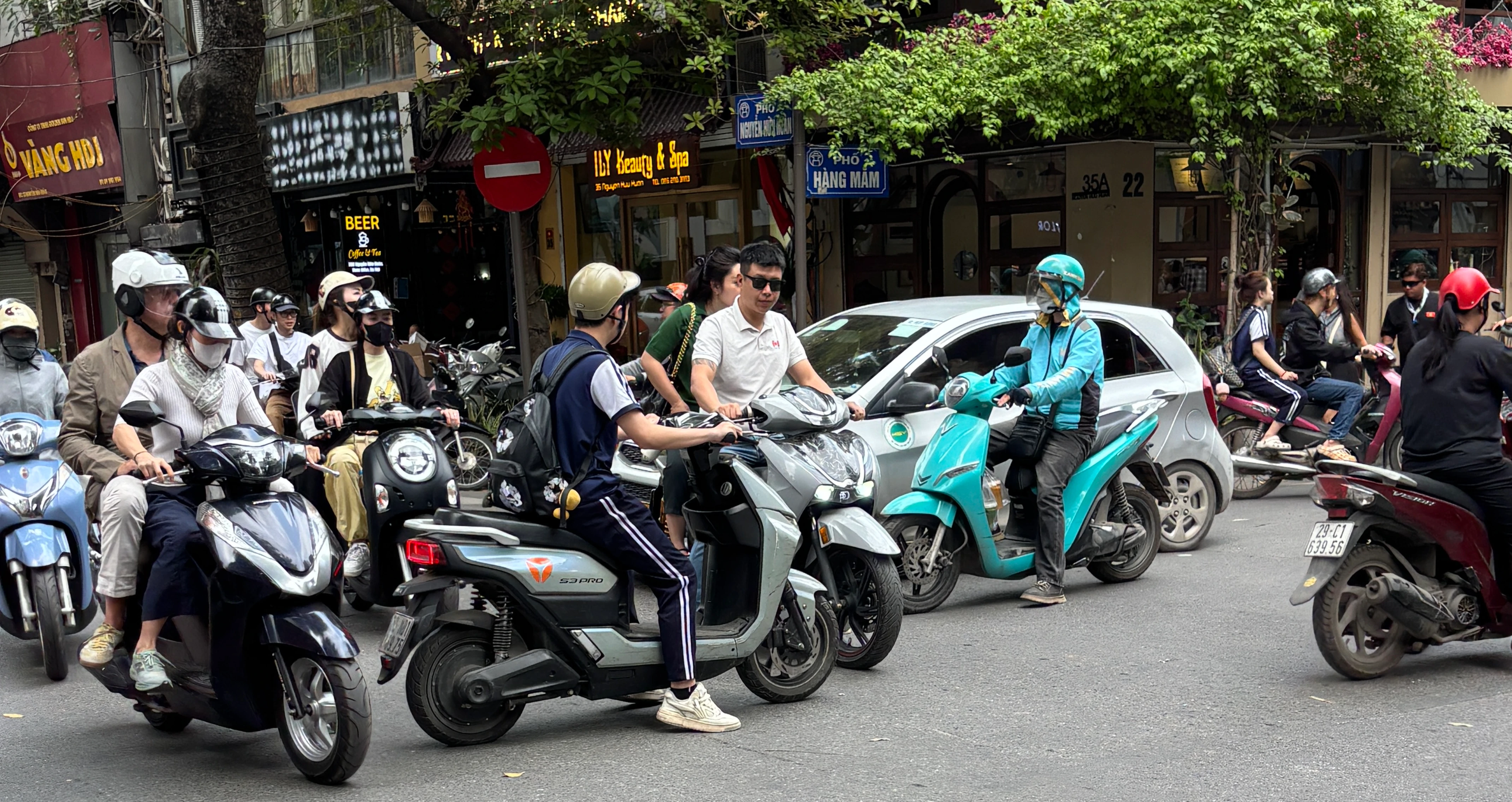
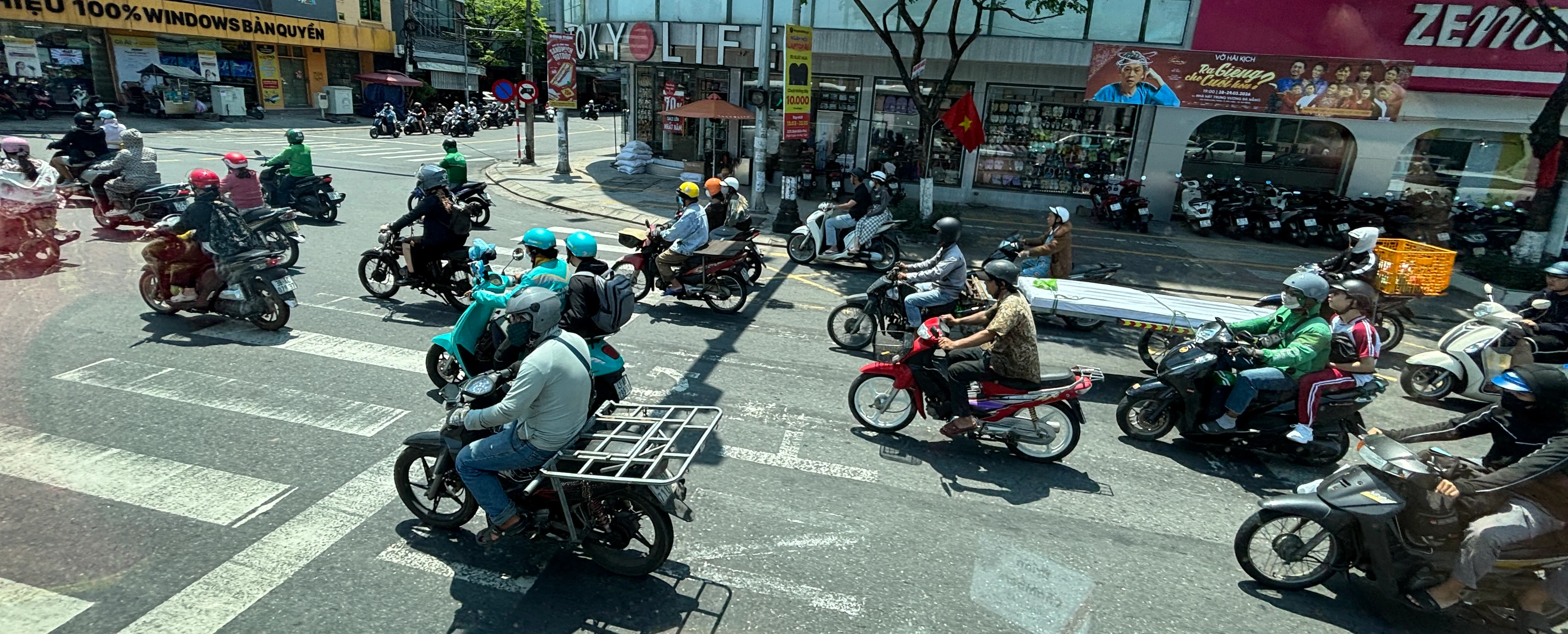
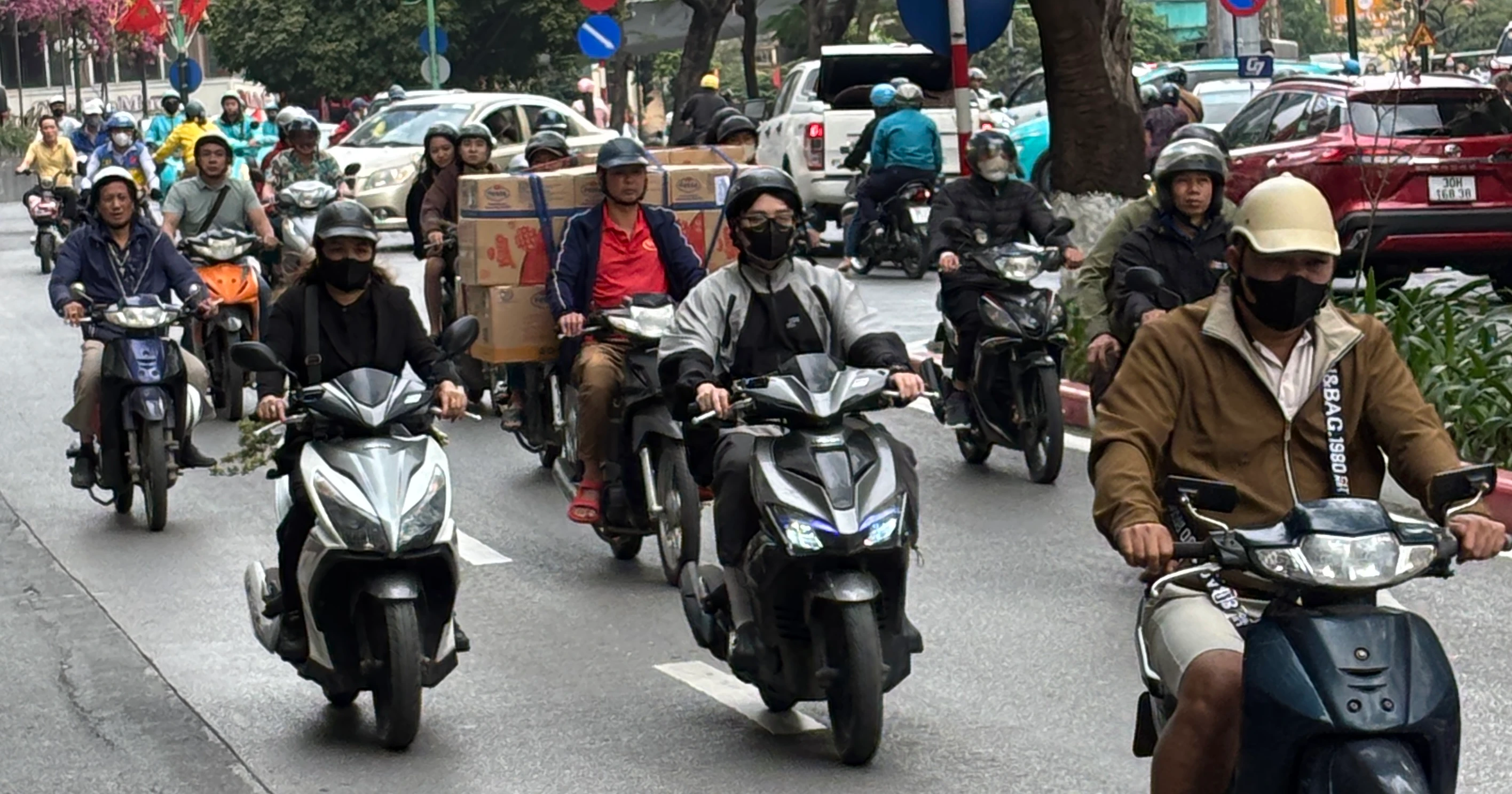
Goooood Morning Vietnam! After a good sleep in a proper bed, we had a free morning. Anna & I explored the area within walking distance of the hotel. The first thing we noticed was the number of motorbikes on the roads; it looked like they had invaded the country! They were everywhere, but there appeared to be a “system” within the “organized chaos”. We were told to cross the street slowly and to keep moving without changing our pace. I assume this was so they could anticipate our speed & direction? It was amazing there weren’t any accidents or road rage. Perhaps it is a Buddhist concept…something some Canadians could benefit from?
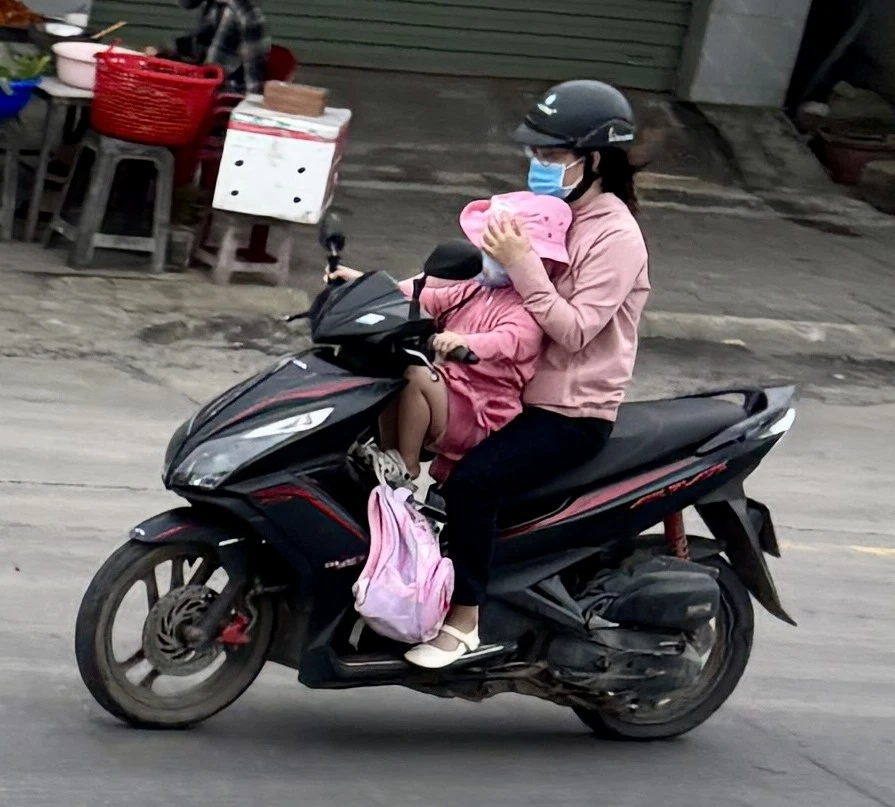
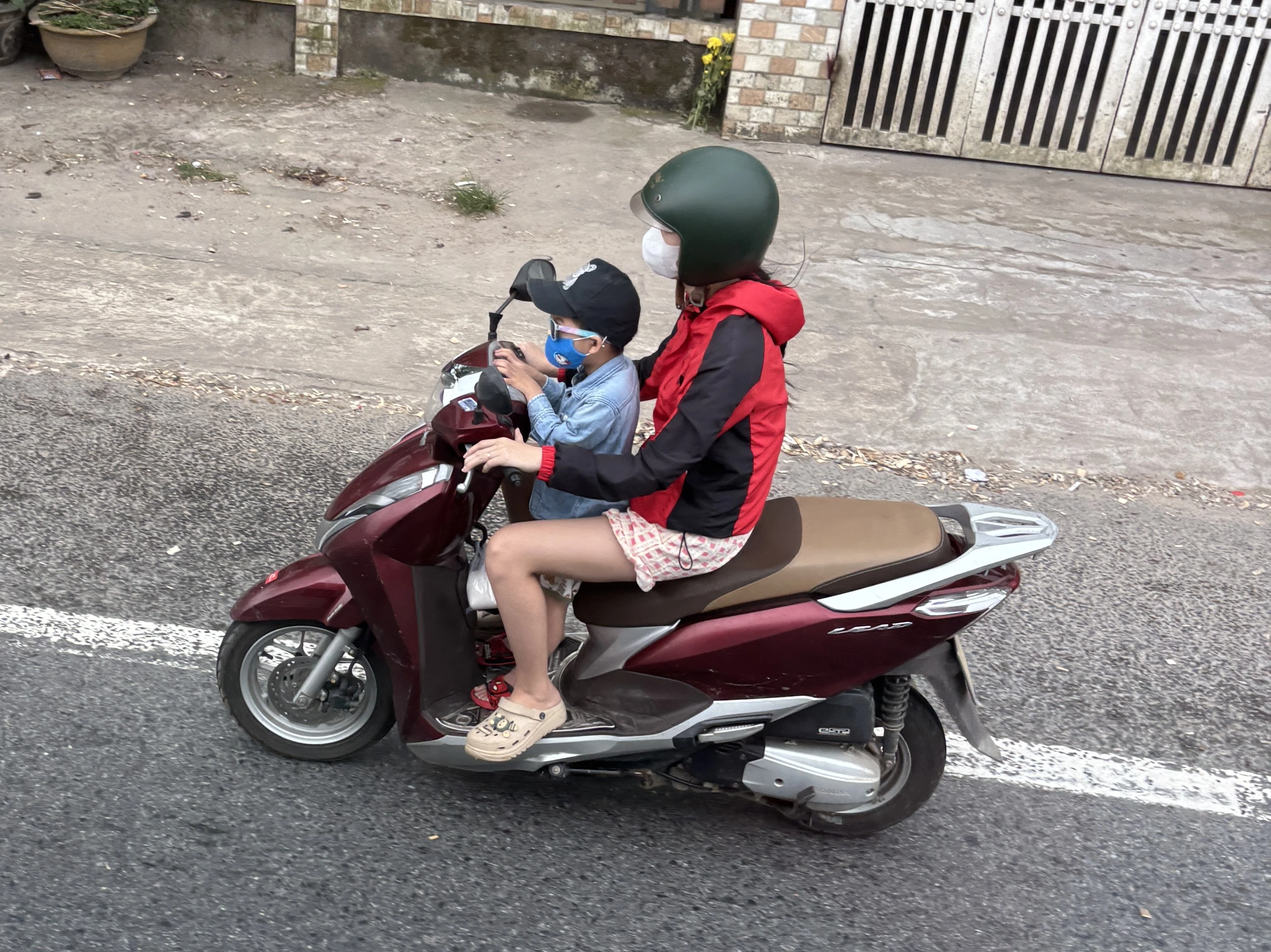
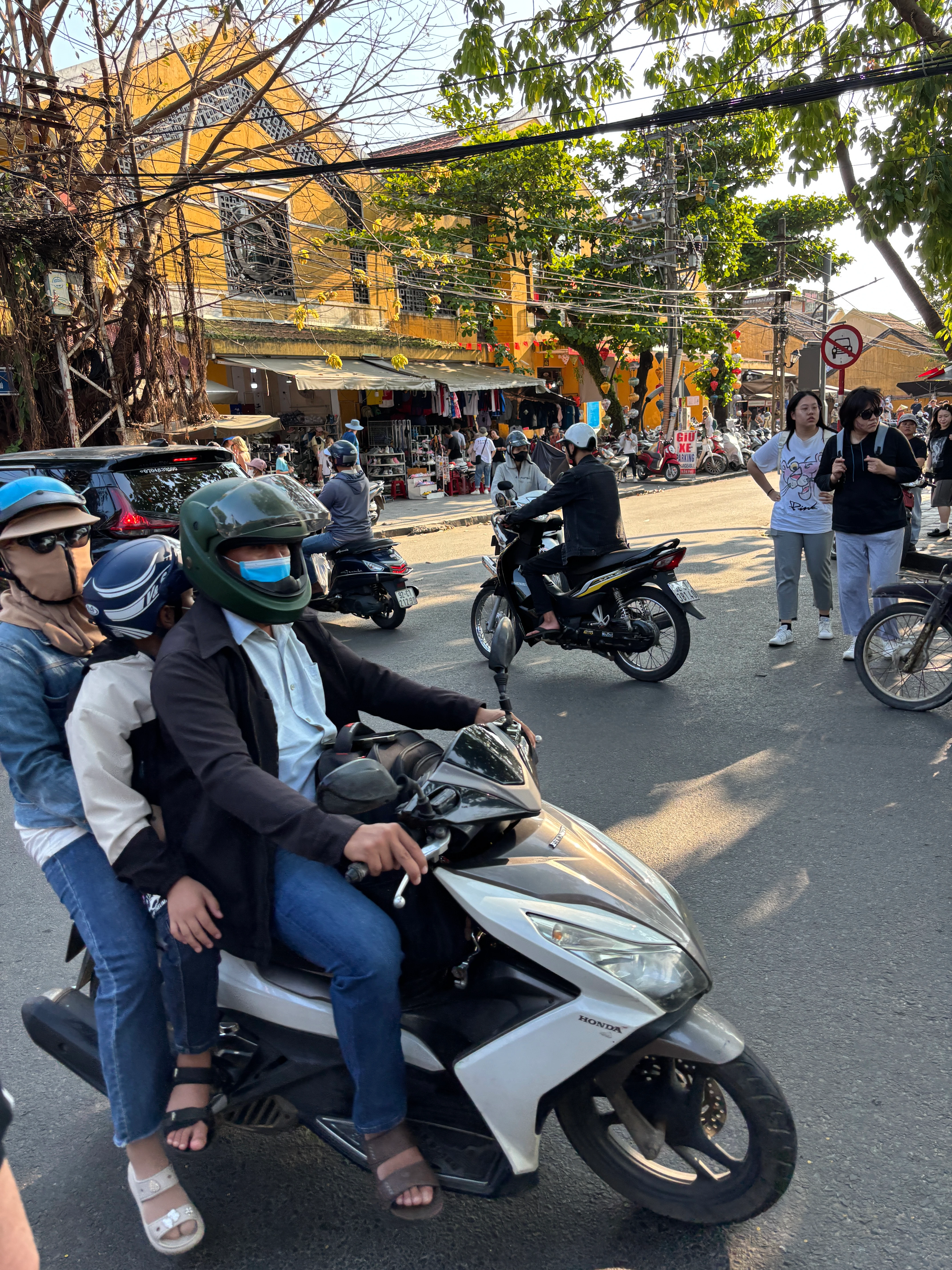
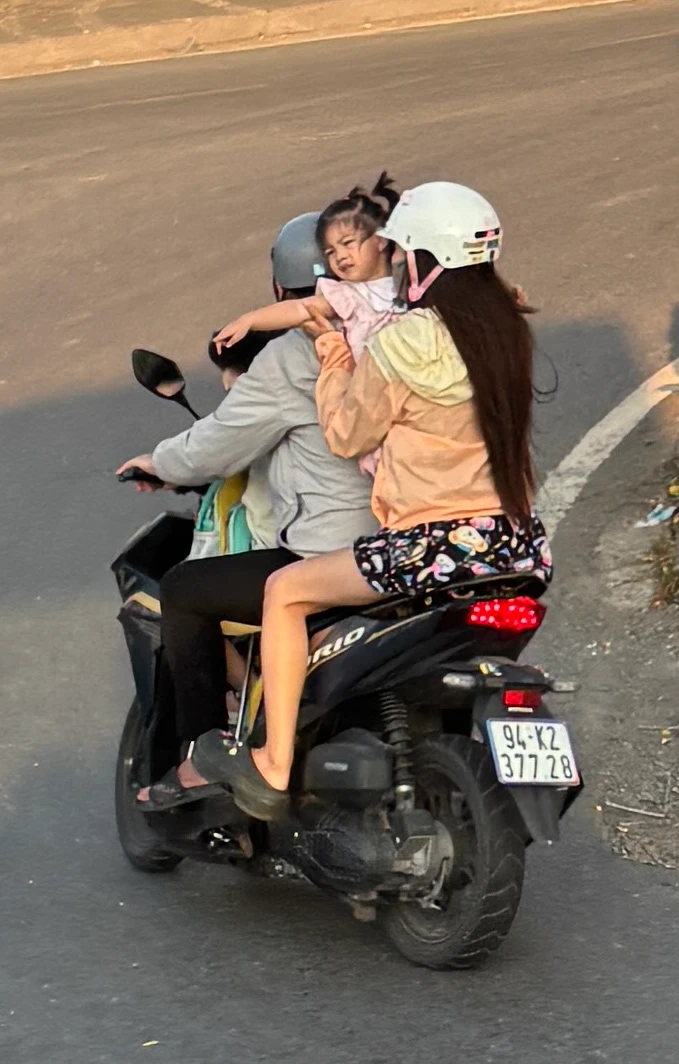
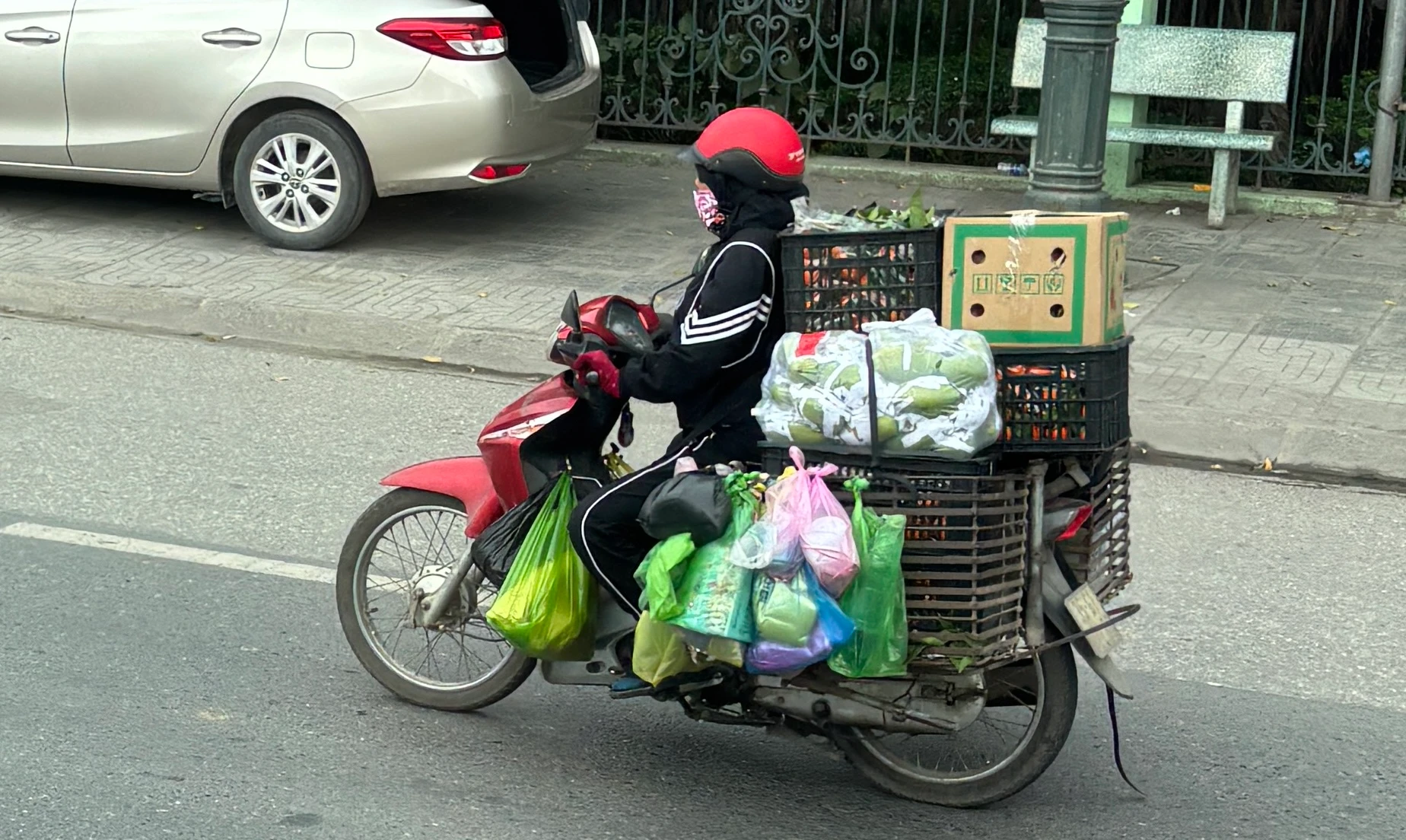
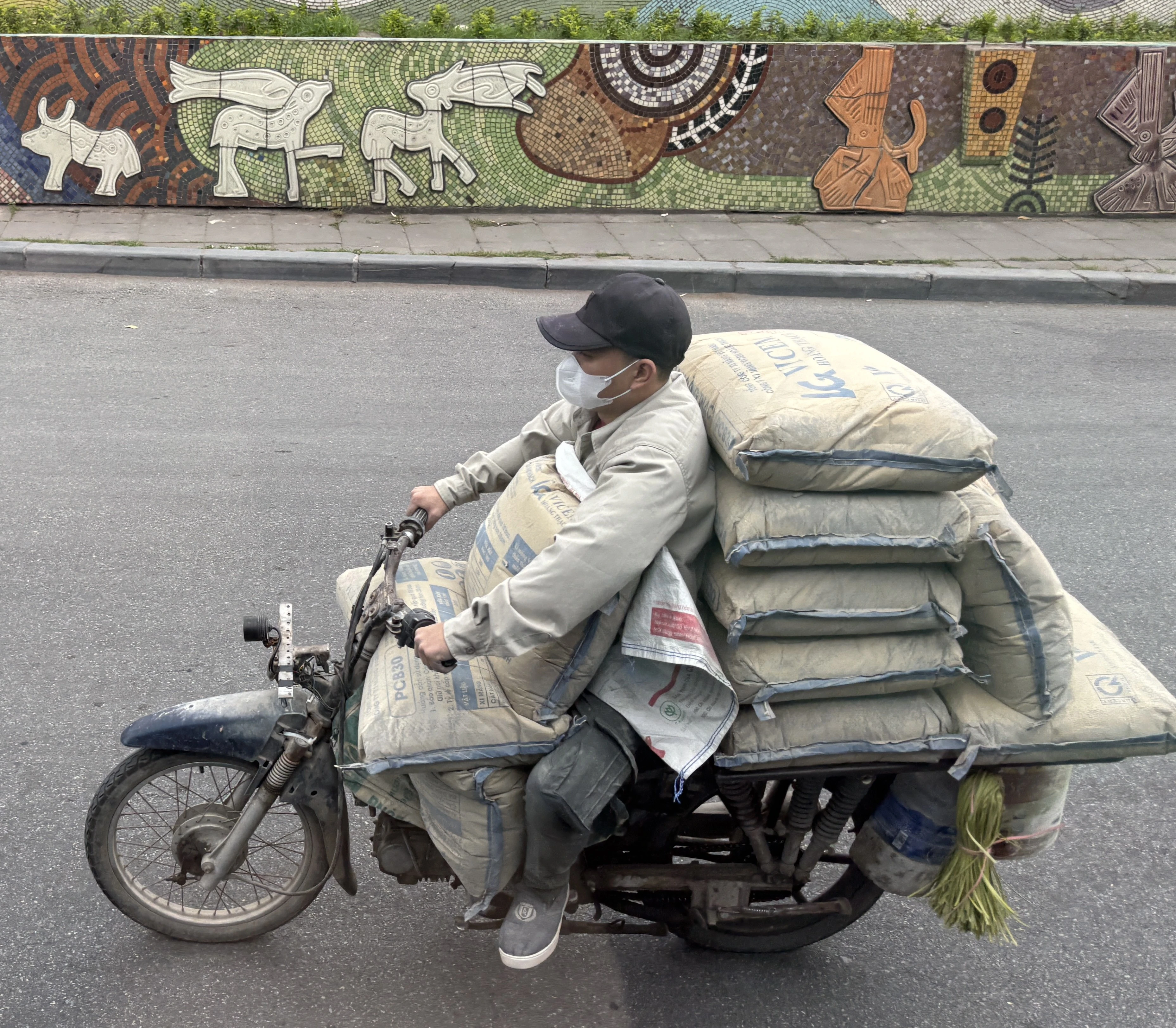
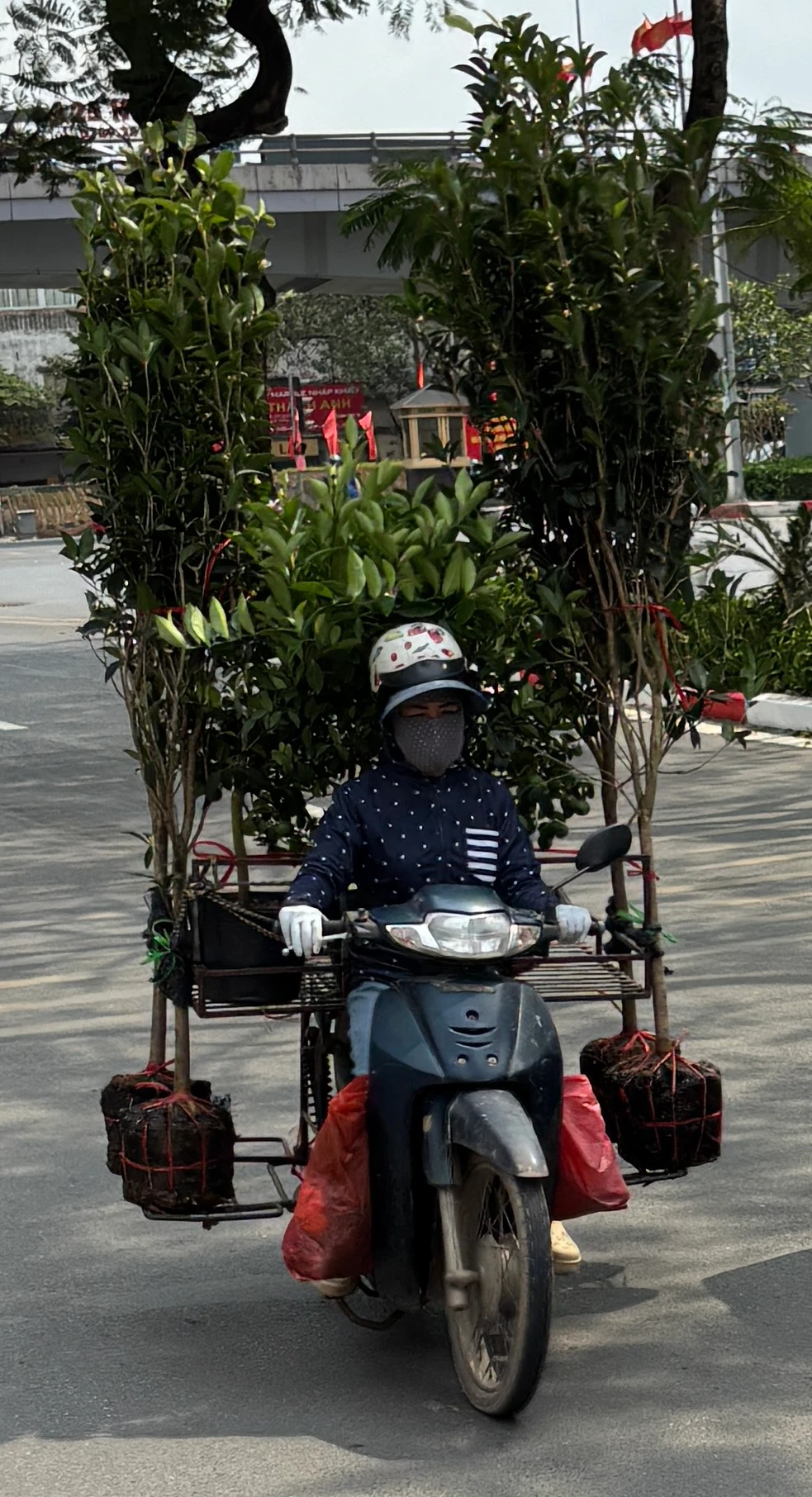
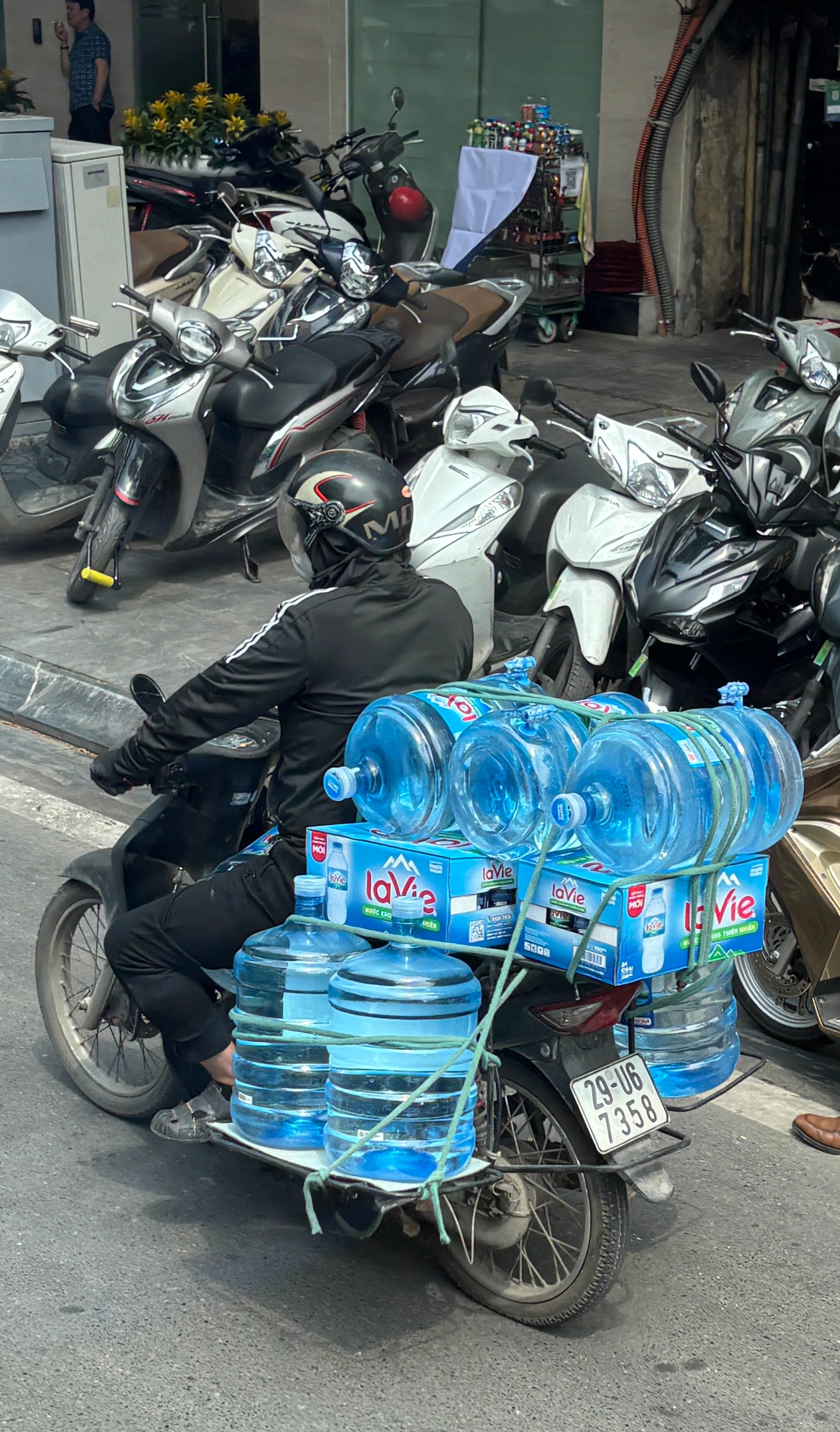
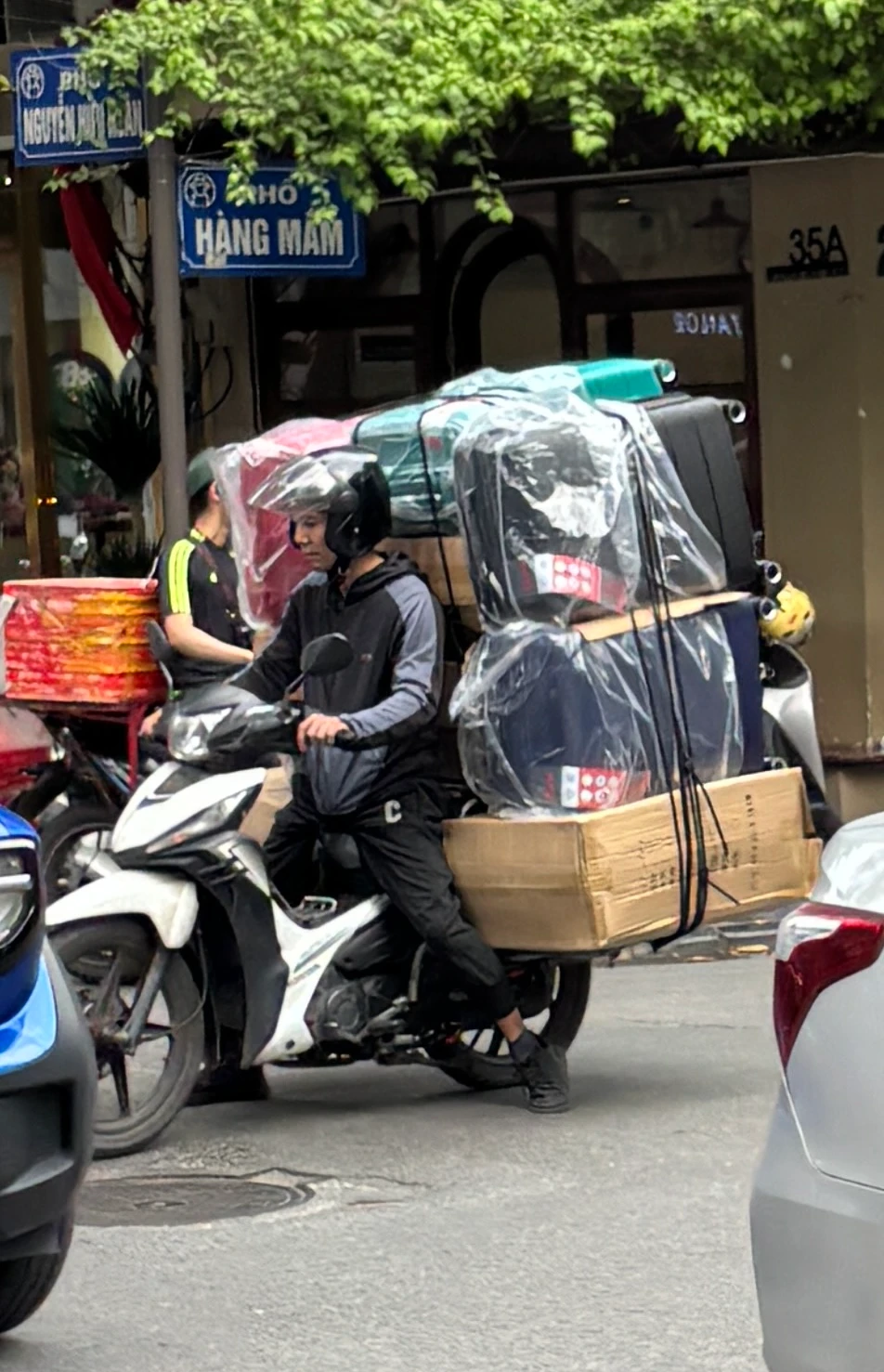
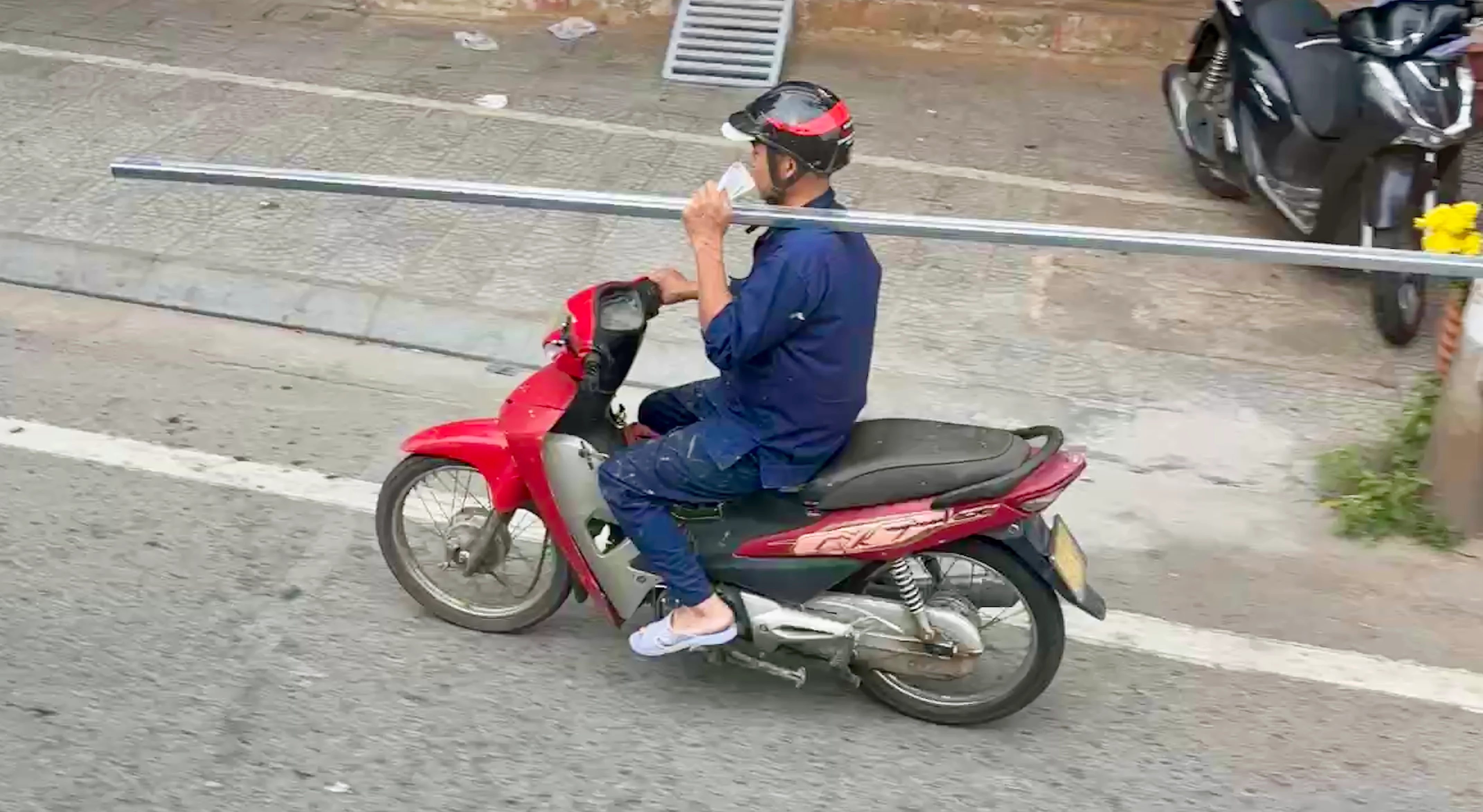
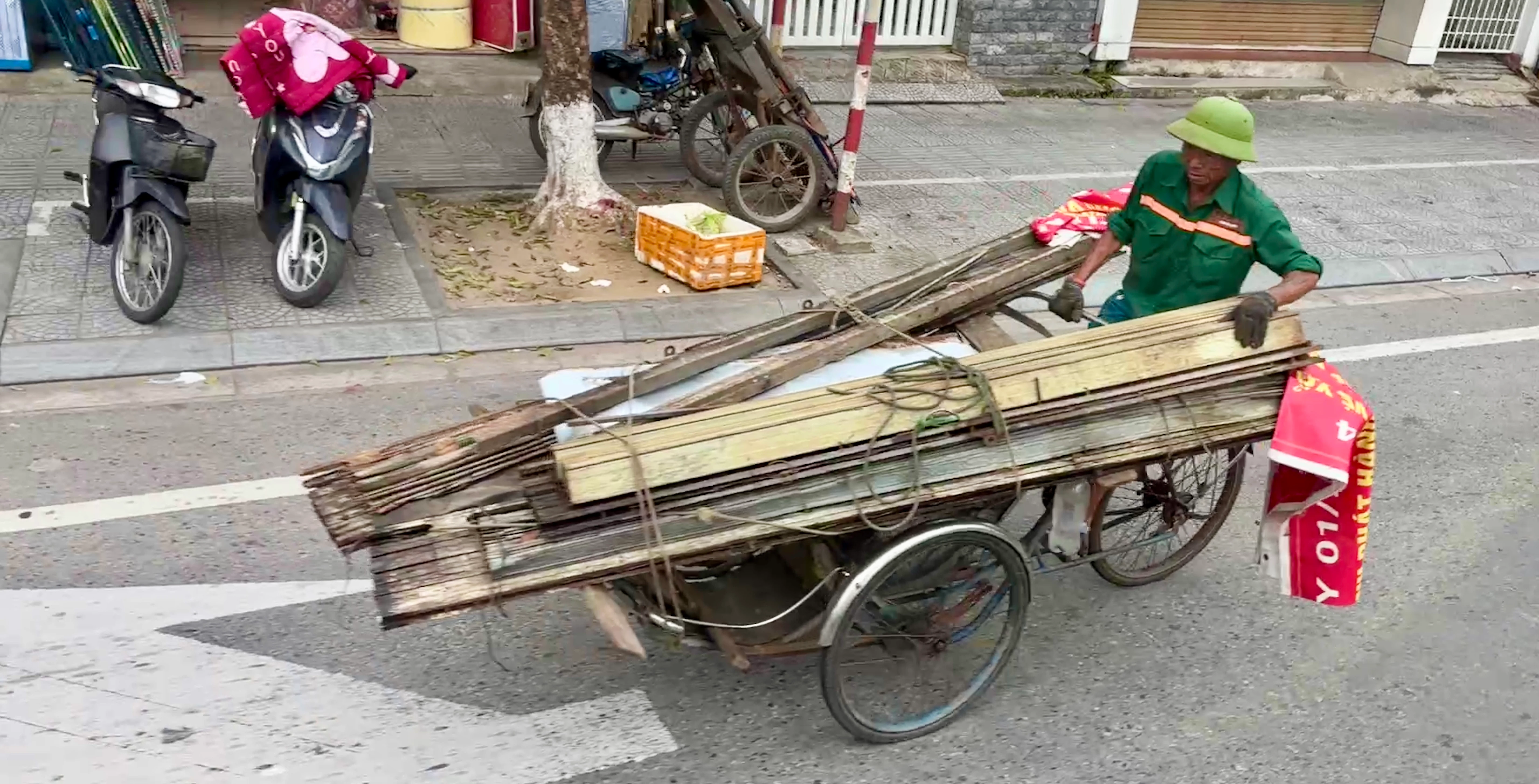
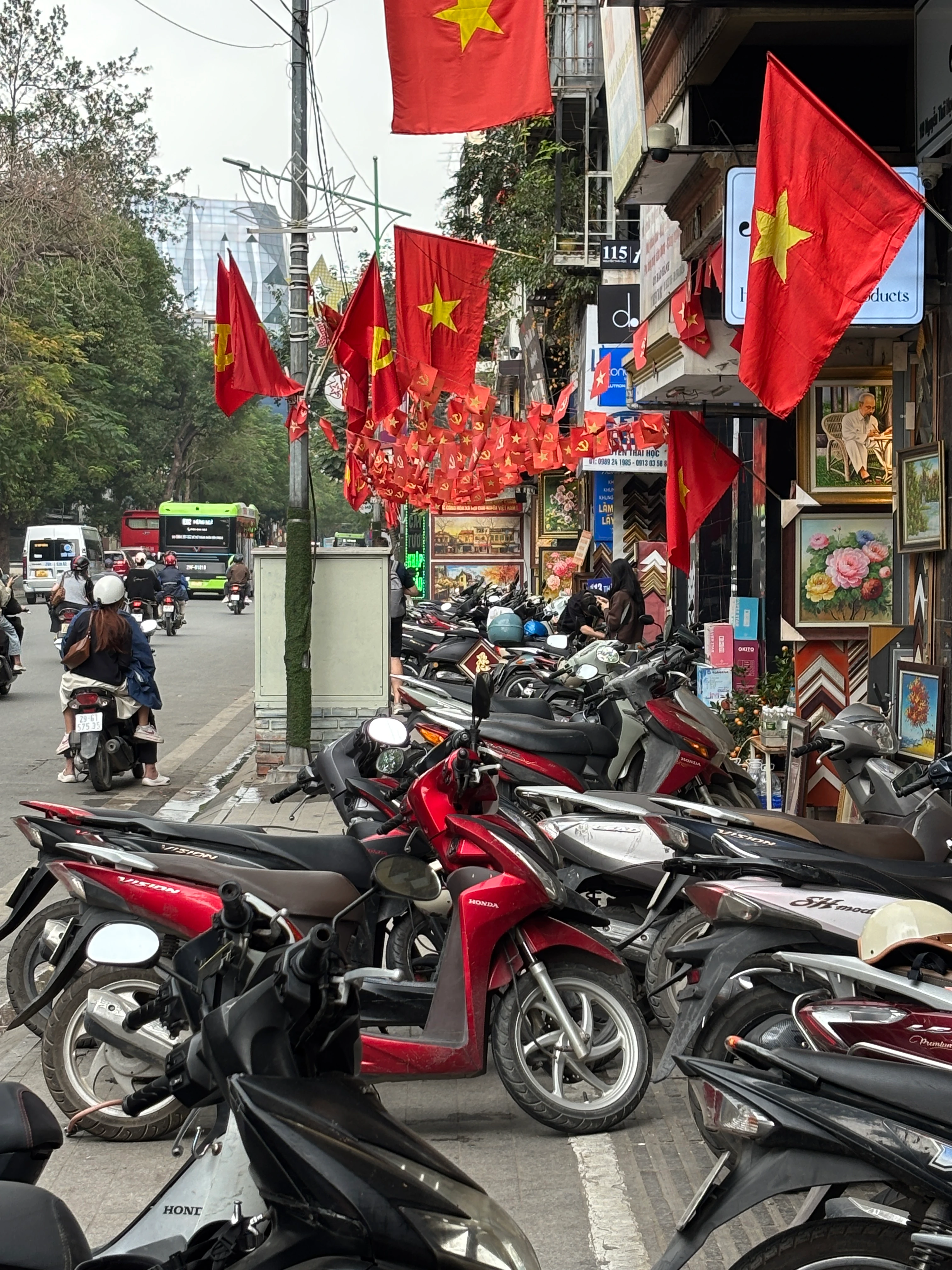
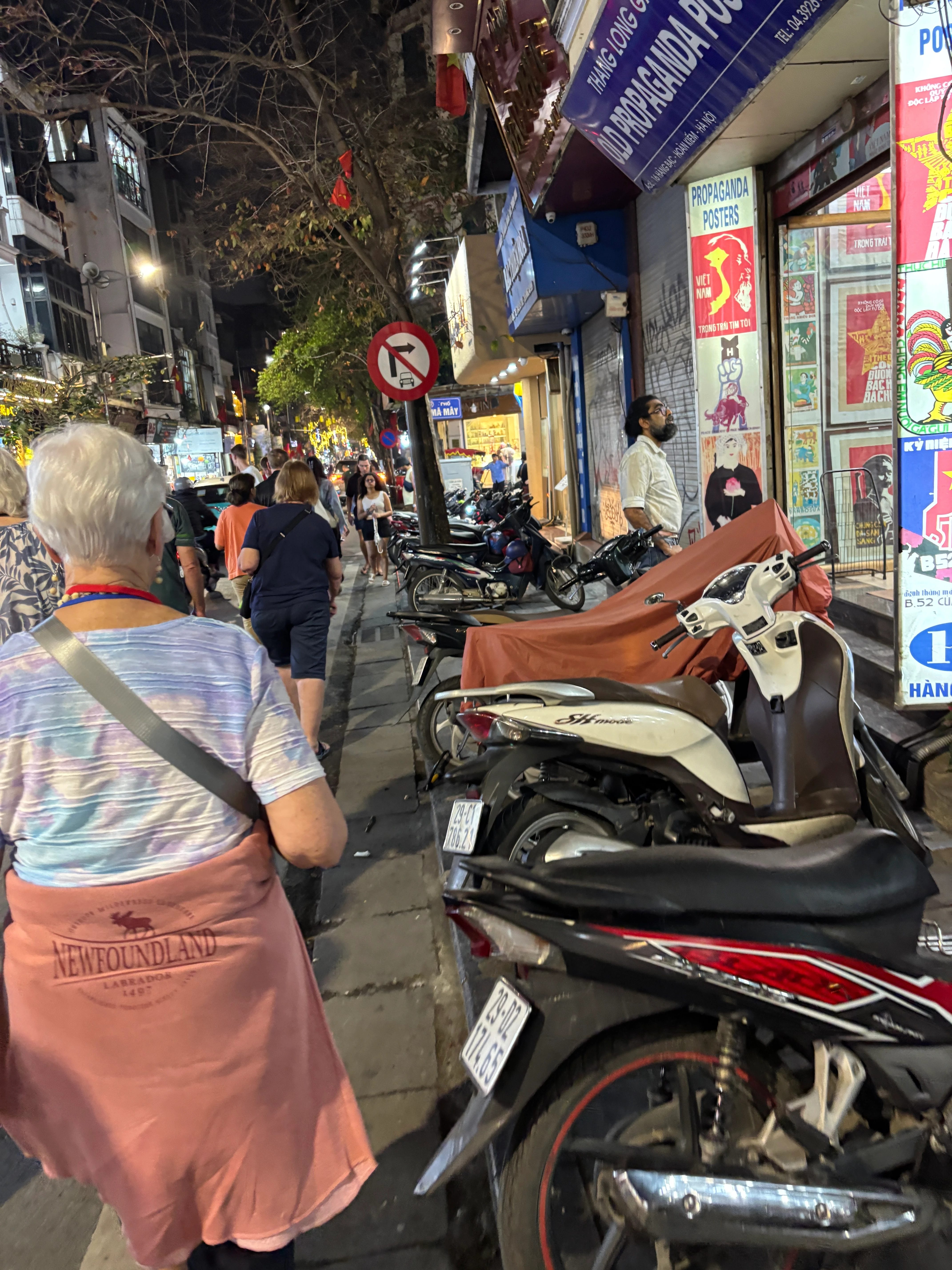
And there didn’t appear to be any motorbike rules or laws regarding number of passengers, types of cargo, parking, safety, or distracted driving. Motorbikes parked on the sidewalk, so pedestrians walked on the street! In addition to the motorbikes, there were also vehicles, bicycles, street vendors and pedestrians, so we really had to be careful!
According to Google Gemini, Vietnam is one of the most densely populated countries in southeast Asia with over 100 million people and approximately 77 million registered motorbikes…approximately 75% of the population own a motorbike. And in urban centers like Hanoi and Ho Chi Minh City, it is estimated there are more motorbikes than residents! They serve as the primary mode of transport for everything from daily commutes to commercial deliveries and mobile family transport.
Motorbikes everywhere!
And more motorbikes...
Organized chaos...but no road rage!
They're everywhere!
Everything gets transported on the motorbikes.
No special safety precautions for young passengers...this one is learning to drive!
No special safety precautions for young passengers. This one is watching out for other motorbikes...or pedestrians!
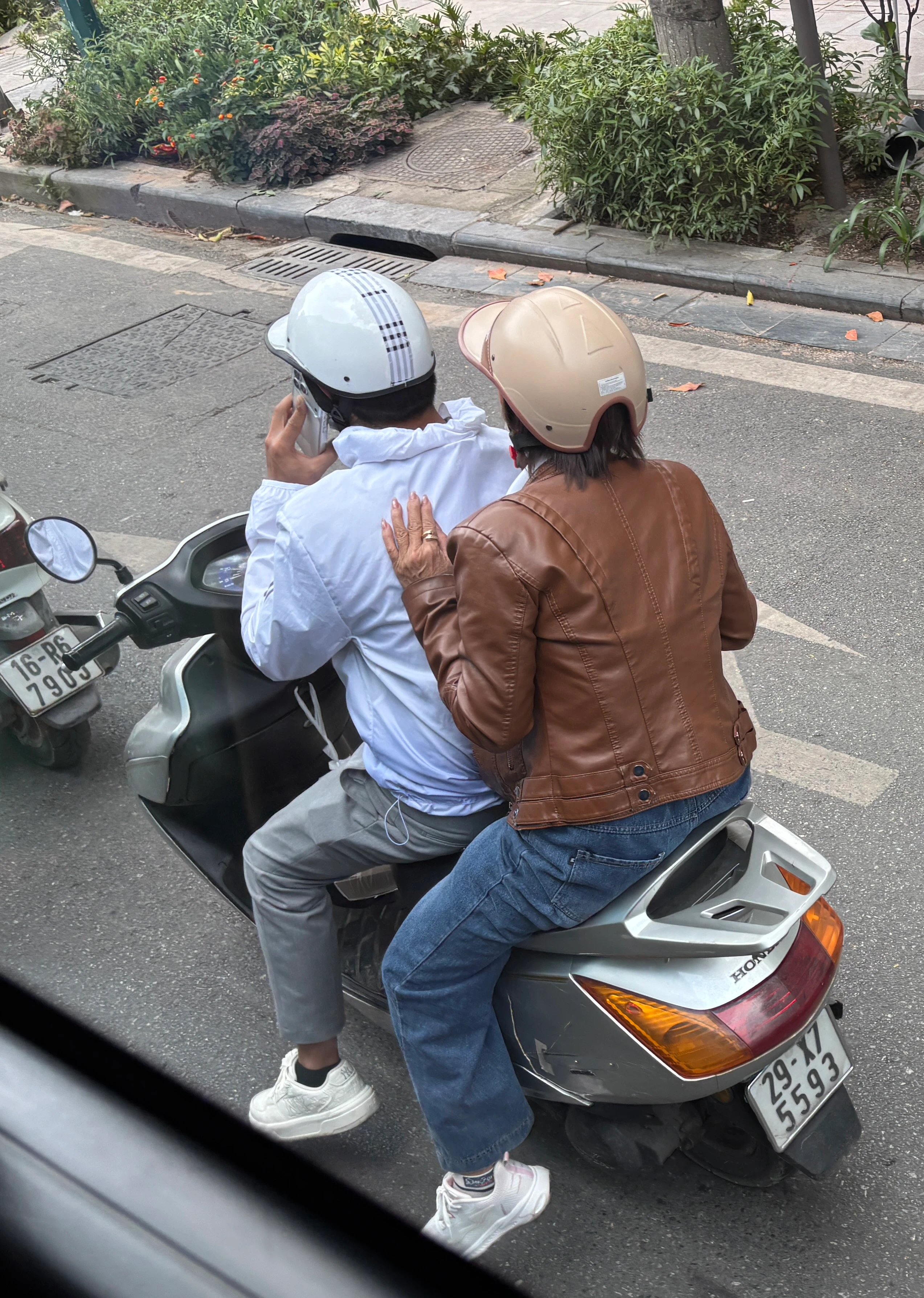
Three people on board.
If you look closely, I think there are four passengers!
All kinds of cargo gets transported.
Interesting cargo.
Even trees!
Water transport.
More interesting cargo.
Anything goes...no red flags on either end of the long pipe.
Looks like a tuk-tuk was outfitted for transport.
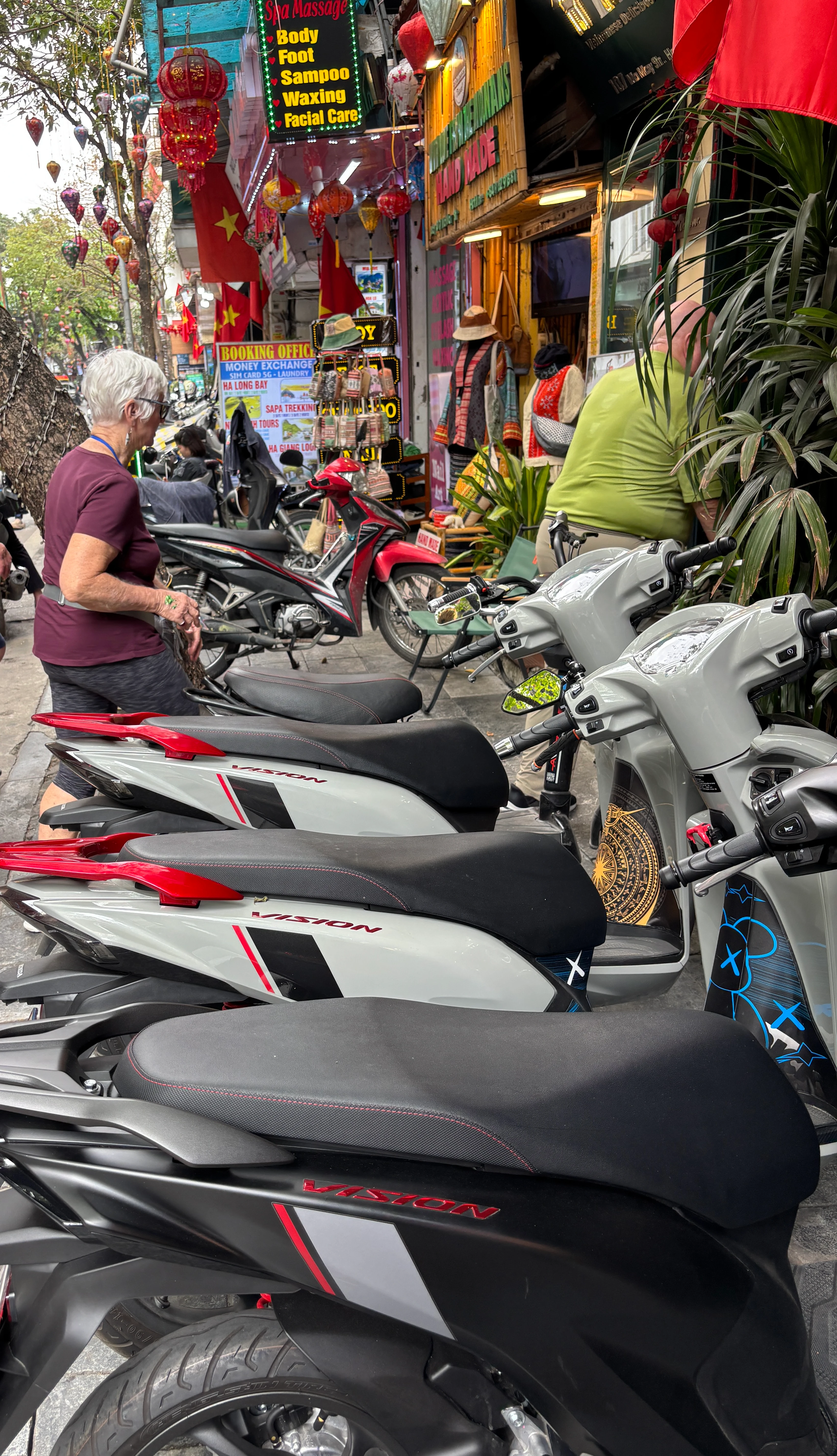
Motorbikes park on the sidewalk!
Motorbikes park on the sidewalk...pedestrians walk on the street!
Motorbikes have priority on the sidewalk...but they can't block the entrance to a shop!
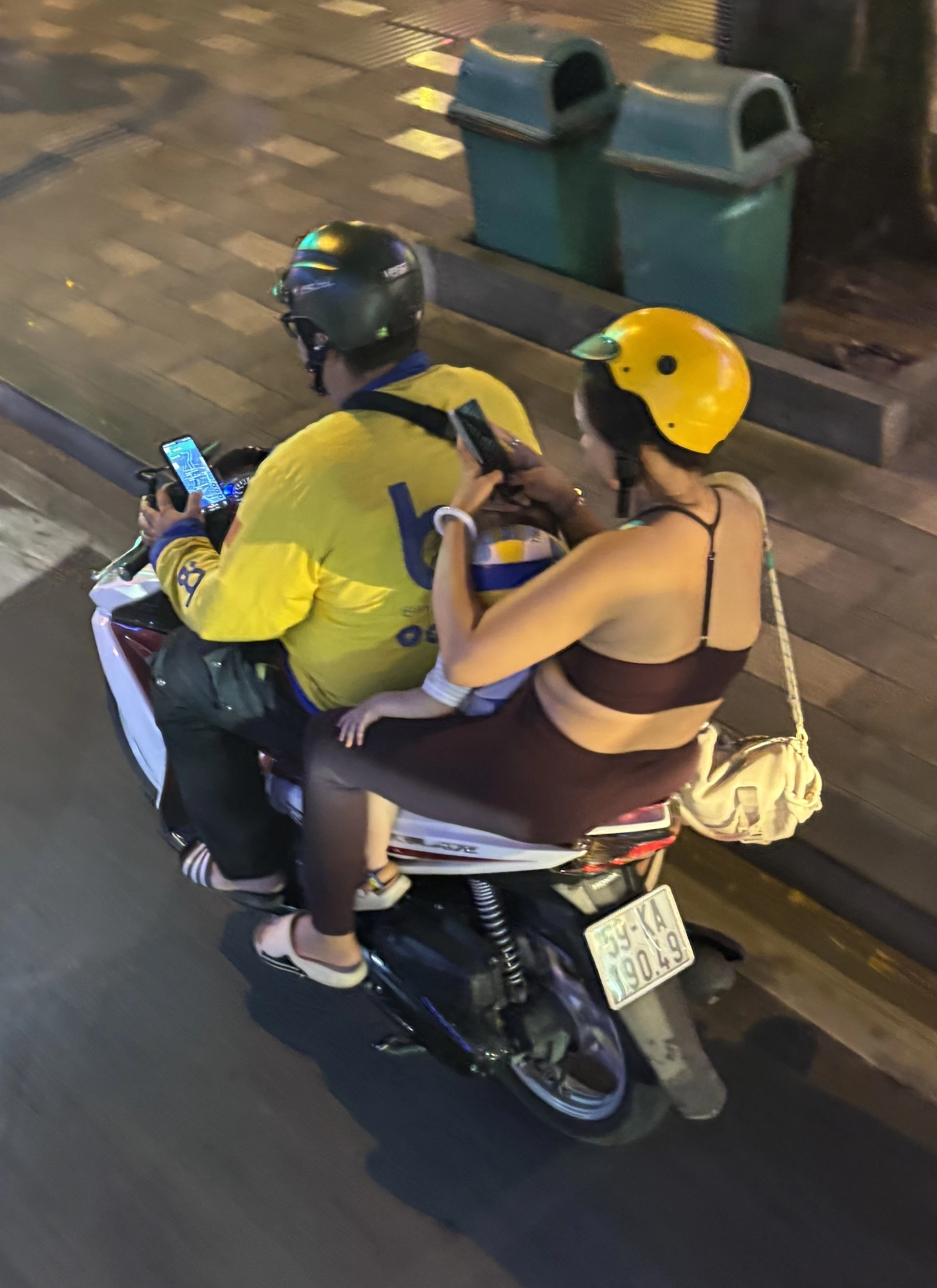
No distracted driving laws?!
Three people on board...two people on their cell phone...there's a child in there somewhere, but can't tell if he/she has a phone too!
HANOI • TEMPLE OF LITERATURE
Tony issued each of us with a one-way radio so we could hear him in crowded areas when he provided us with information about the various sites we would visit, etc. That afternoon we went to see the Temple of Literature which is located in the heart of Hanoi and provides a calm, historical break from the city’s hustle & bustle.
The Temple of Literature was founded in 1070 to honor Confucius, and is a beautifully preserved architectural complex that served as the site of Vietnam’s first national university for over seven centuries. It serves as a symbol of wisdom, featuring five courtyards.
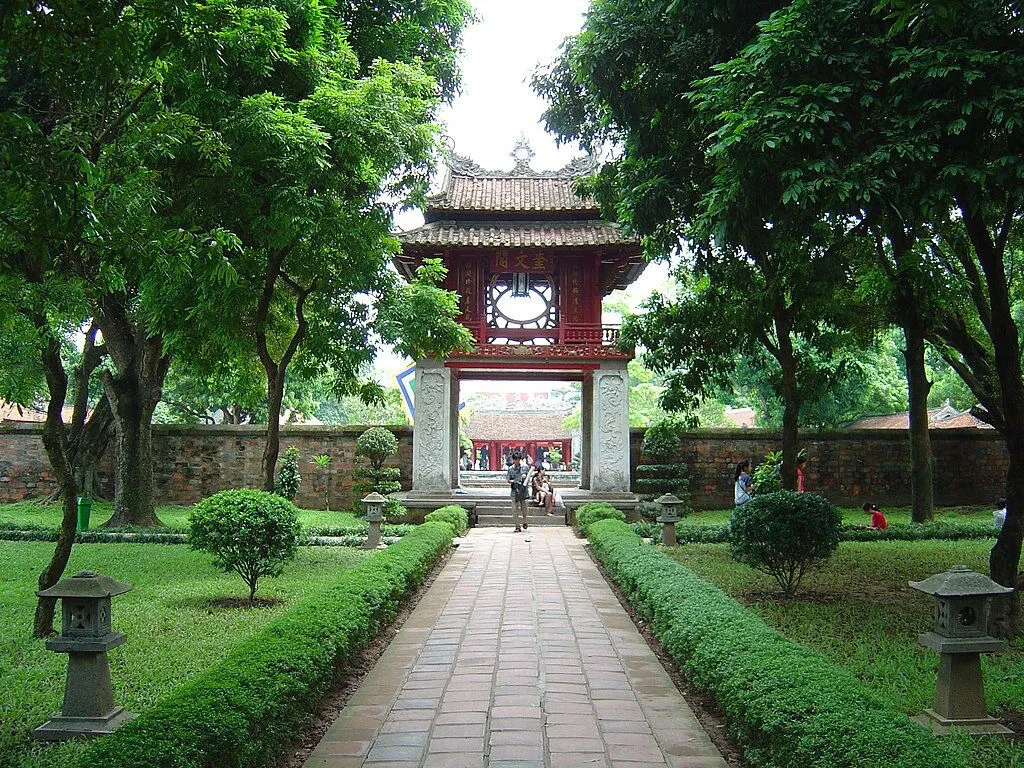
First Courtyard (The Great Middle): This lush garden serves as a tranquil buffer designed to help visitors transition from the chaotic outside world into a state of quiet contemplation.
Second Courtyard (The Pavilion of Literature): This section is dedicated to the appreciation of literary beauty and is anchored by the Khuê Văn Các pavilion, the official symbol of Hanoi.
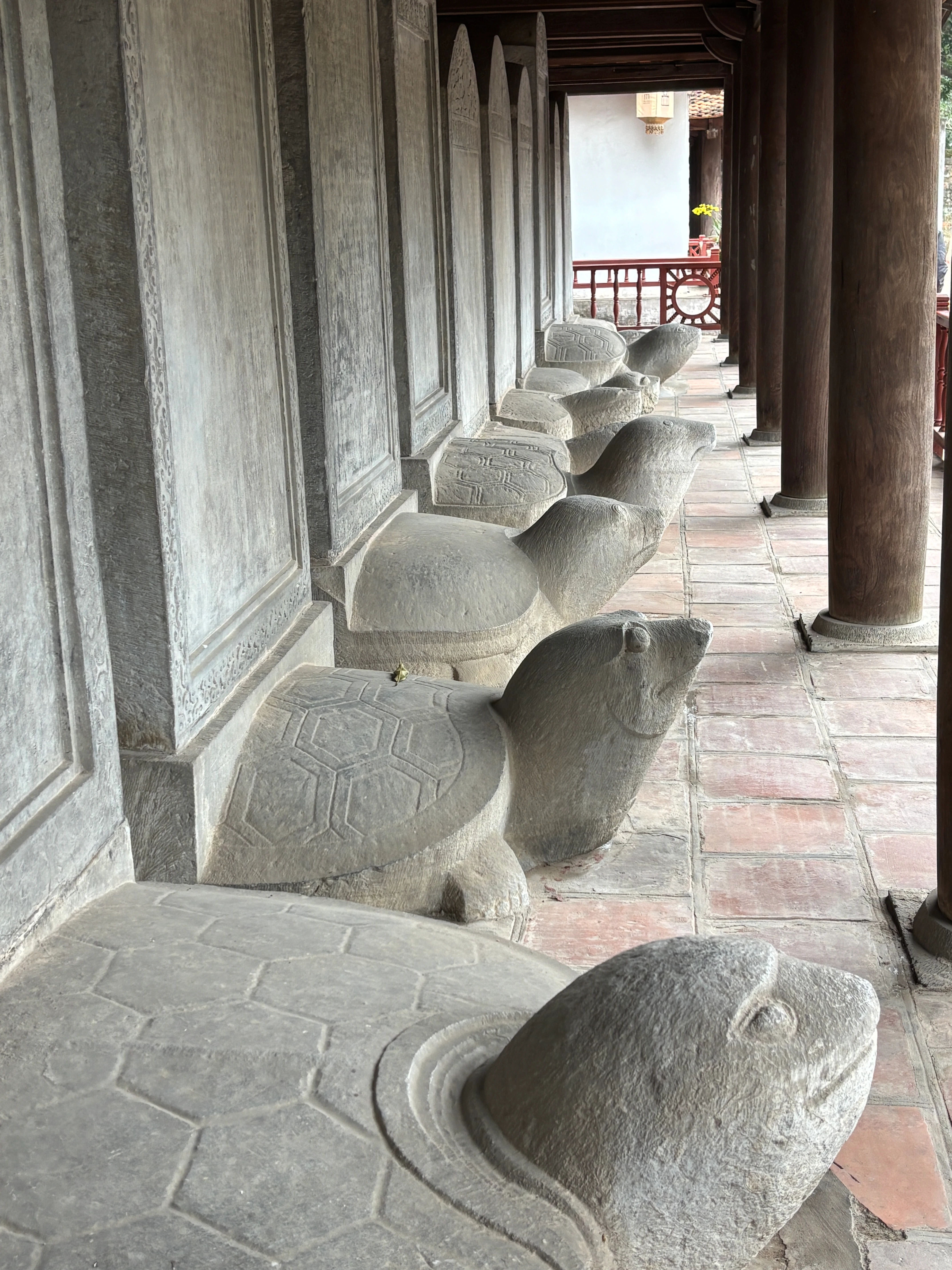
Third Courtyard (The Garden of Steles): This area functions as a permanent “Hall of Fame,” housing the 82 stone turtles that preserve the names of Vietnam’s top doctoral graduates from 1442 to 1779.
Fourth Courtyard (The Great Success Sanctuary): As the spiritual heart of the temple, this courtyard is the site of the main altar where people offer incense to honor Confucius and his disciples.
Fifth Courtyard (The Imperial Academy): Formerly the site of Vietnam’s first national university, this final section was the actual campus where students lived and were educated for the royal examinations.
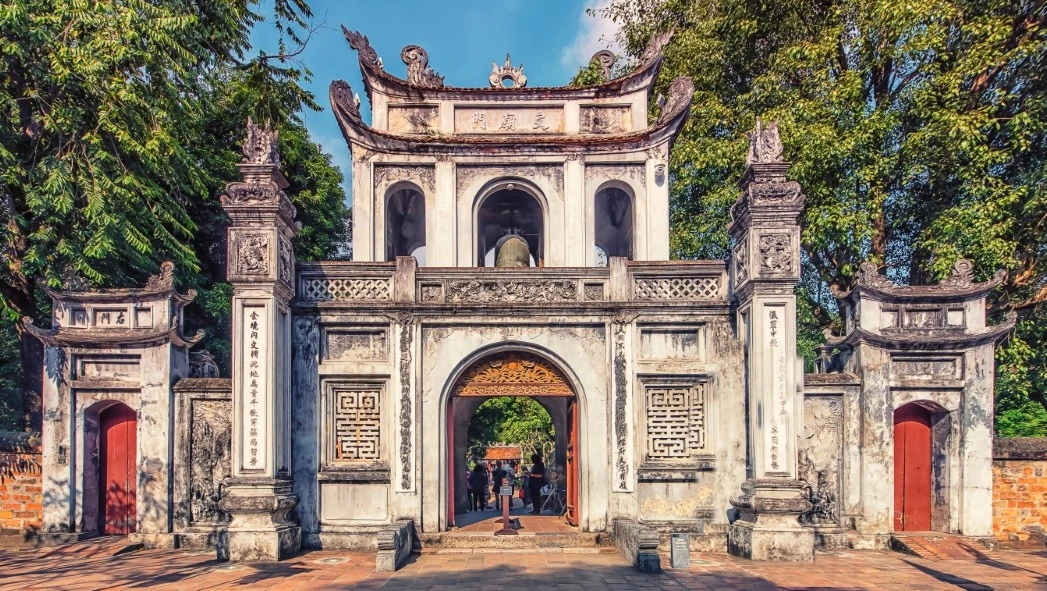
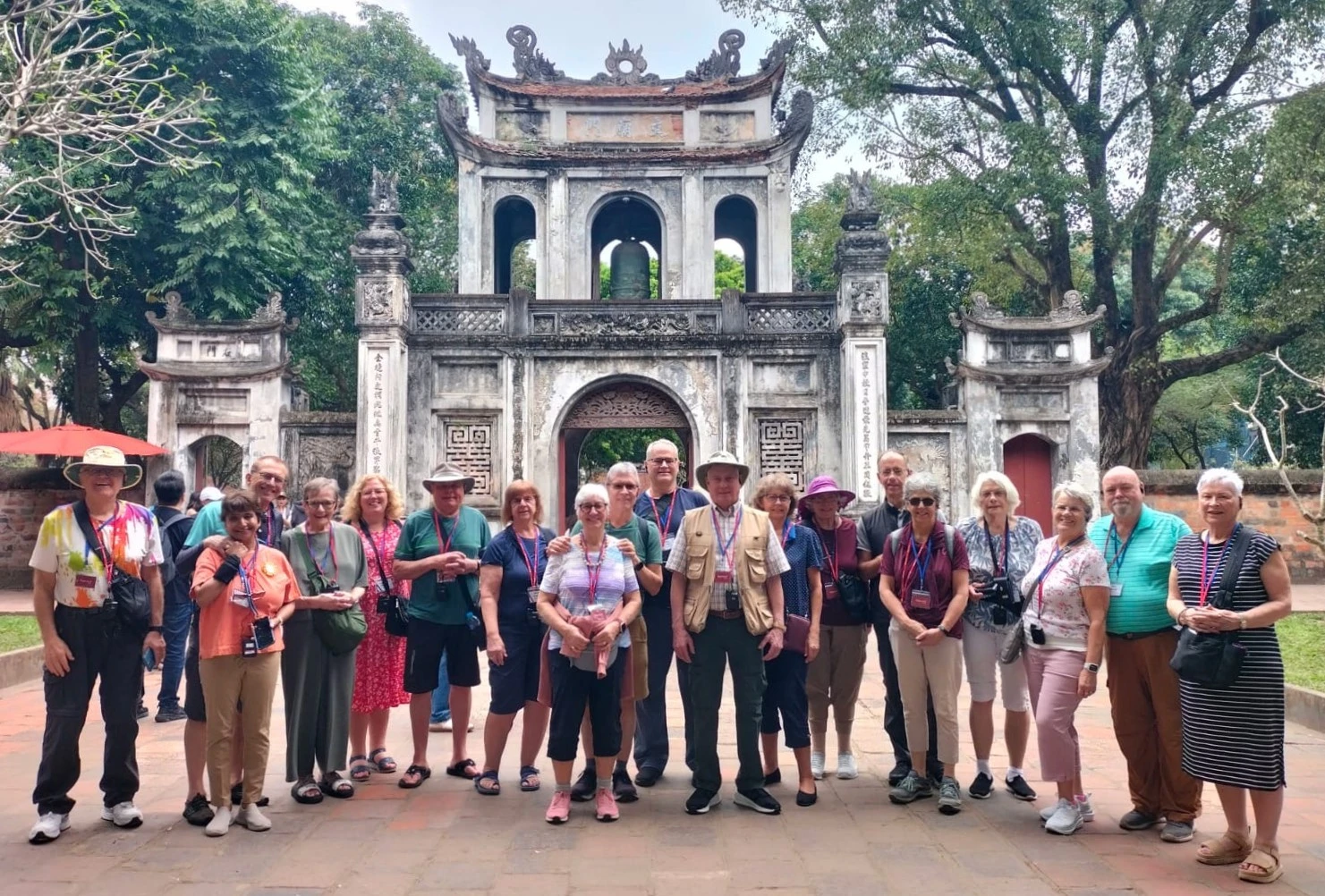
Main Entrance Gate (Great Gate) into the 1st courtyard; the large central gate reserved for the Monarch and the two side gates for his officials.
Our group with the Main Entrance Gate in the background.
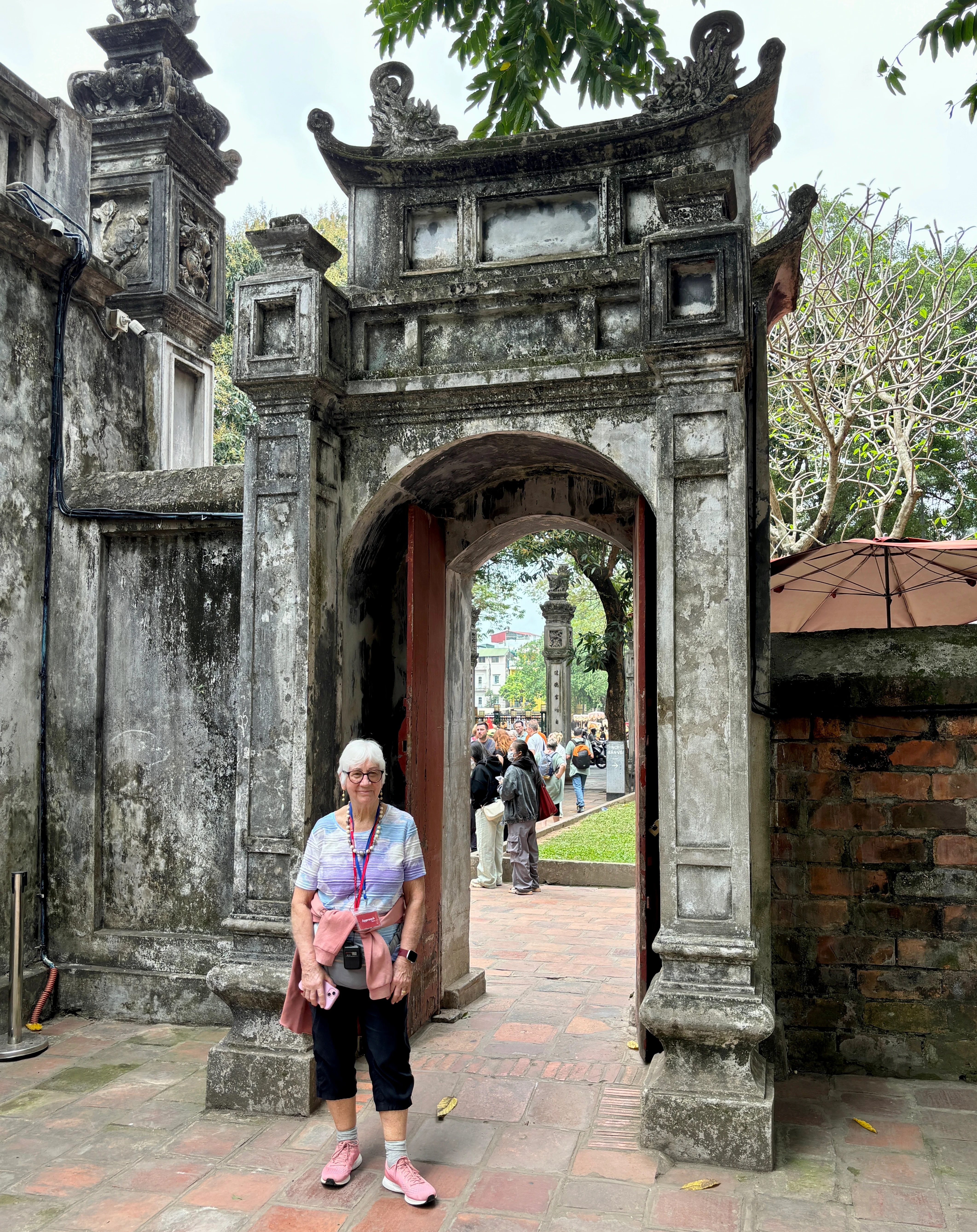
Right side gate of the Great Gate reserved for the Monarch's military mandarins.
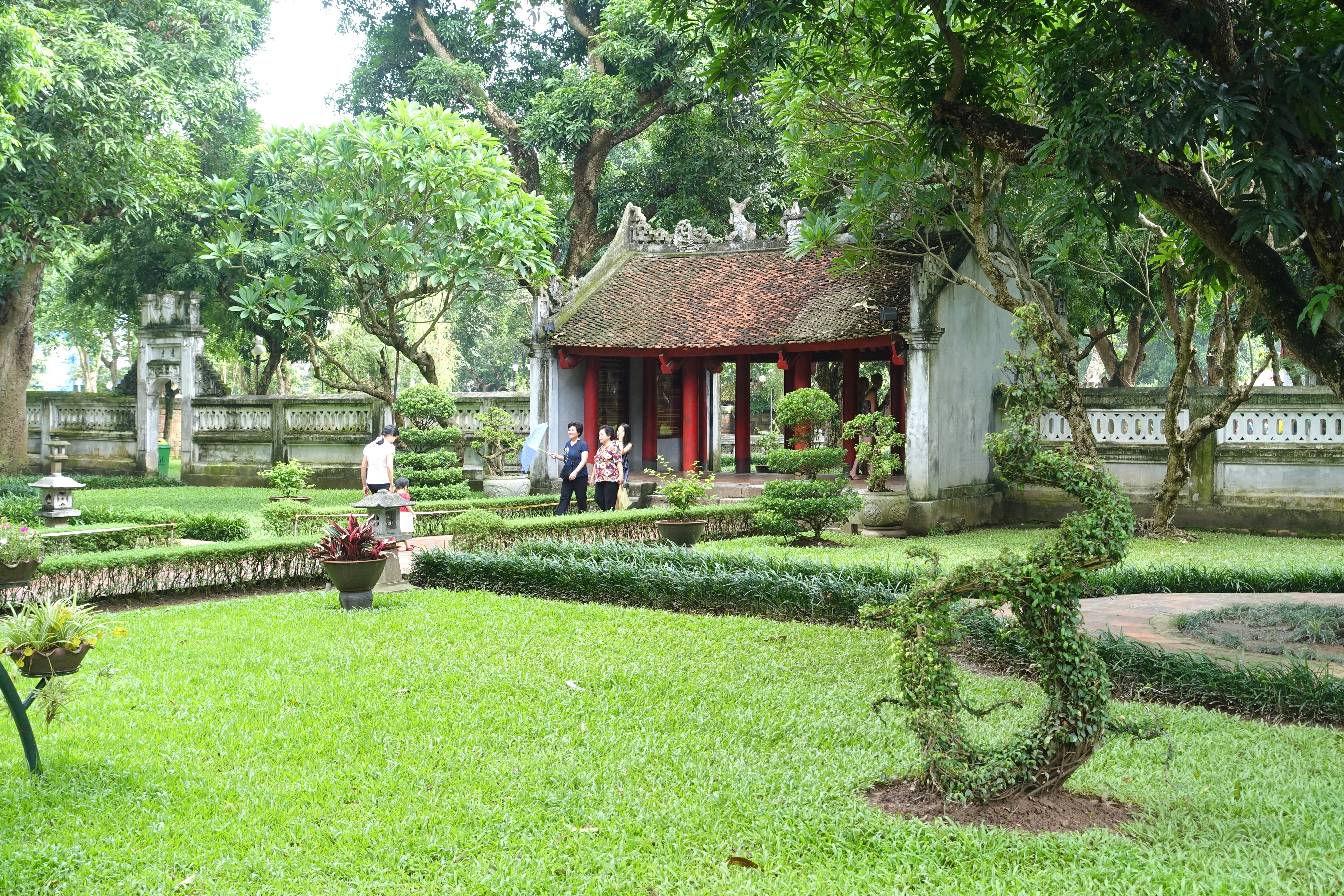
Large open gardens in the 1st courtyard create a serene park-like atmosphere that sets a quiet tone for the rest of the complex. The Great Middle Gate (building) is the official entrance into the "Success Courtyard" or 2nd courtyard.
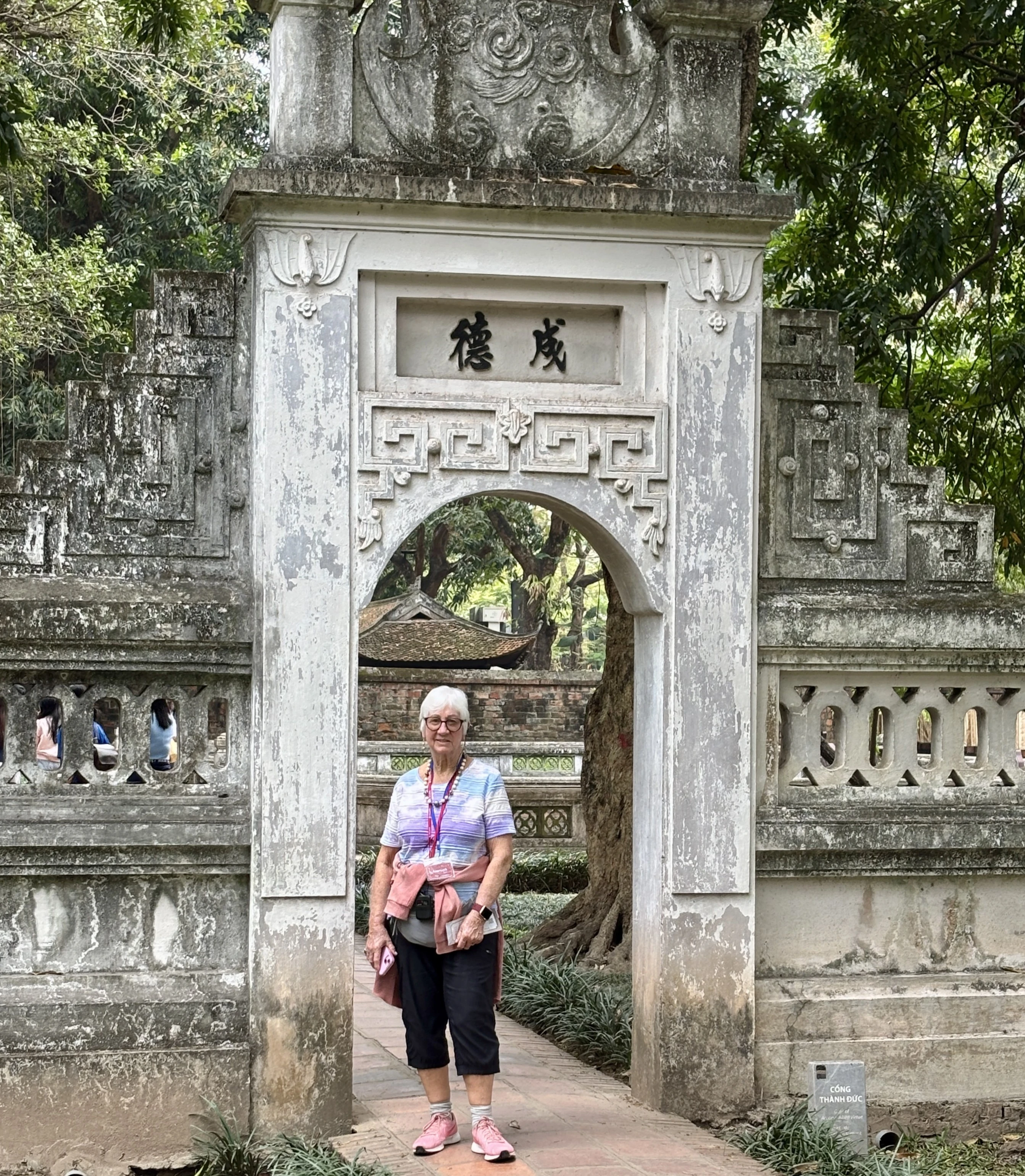
Gate of Accomplished Virtue, one of two smaller gates flanking the Great Middle Gate. The second gate (Attained Talent Gate) is shown on the left side of the Great Middle Gate in the previous photo.
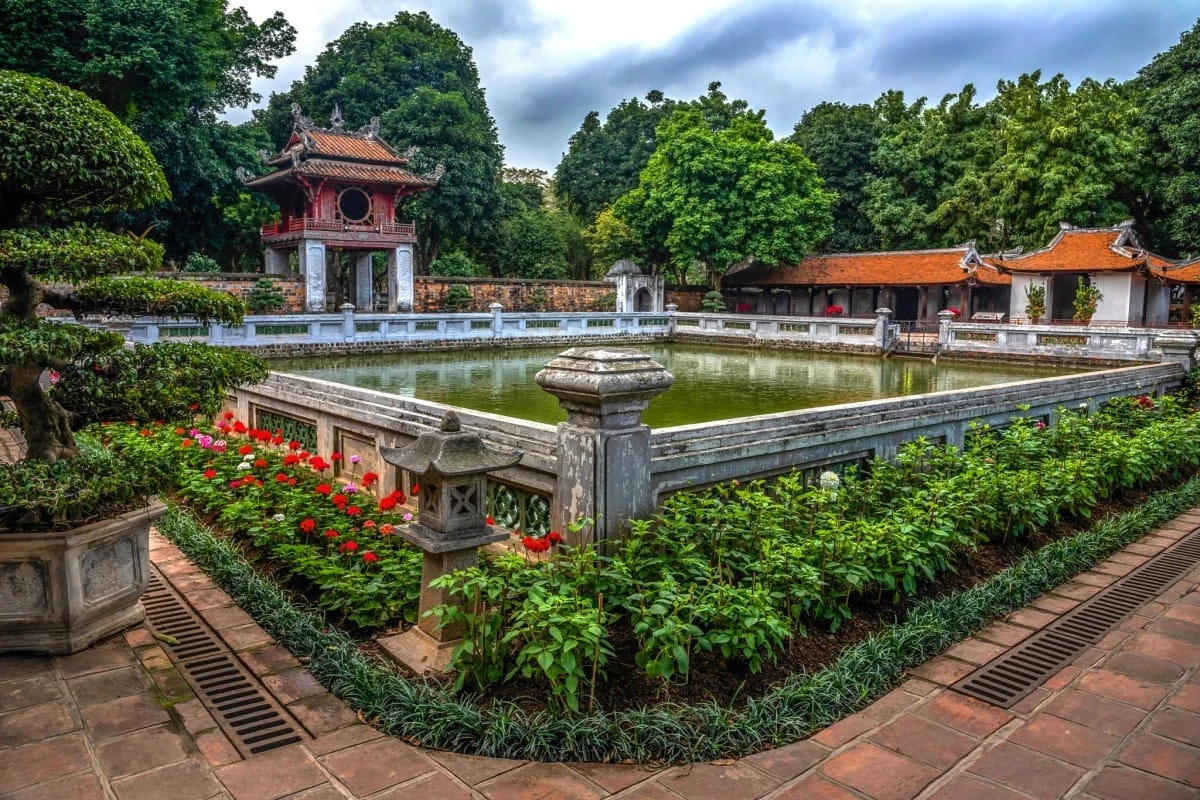
The Success, or 2nd, Courtyard with the Constellation of Literature Pavilion gateway provides passage into the 3rd courtyard. It symbolizes the transition from the "Success" or "Virtue" of the second courtyard to the realm of recognized scholarly achievement of the third courtyard.
The Well of Heavenly Clarity in the 3rd courtyard with Constellation of Literature Pavilion gateway in the background.
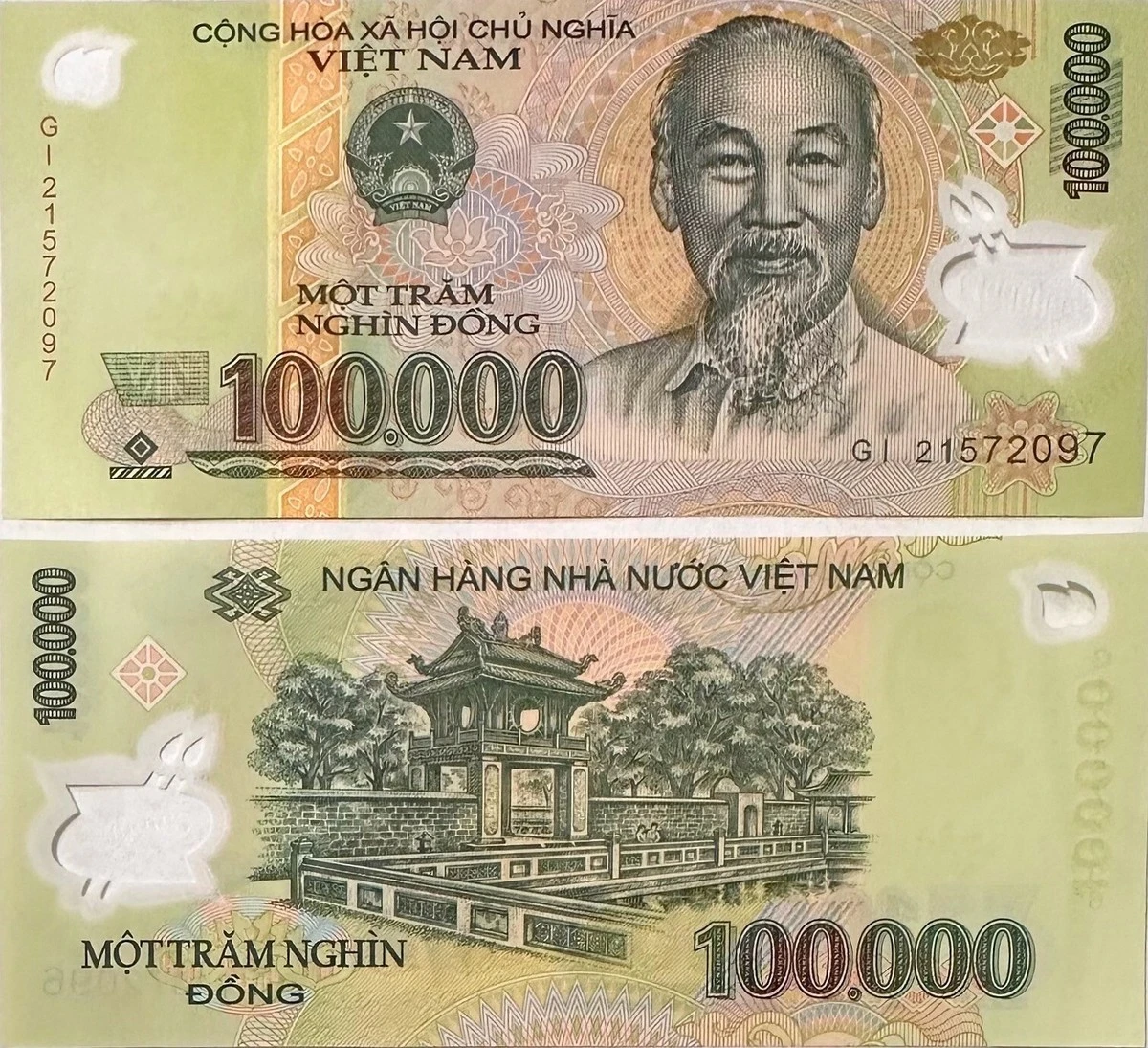
The Pavilion of the Constellation of Literature is the official symbol of Hanoi and is shown on the 100,000 VND bank note.
Some of the 82 Doctoral Stelae in the 3rd courtyard. These precious UNESCO-recognized heritage items honor scholars who passed imperial examinations between 1442 and 1779. They rest on turtle backs which symbolize longevity and strength.
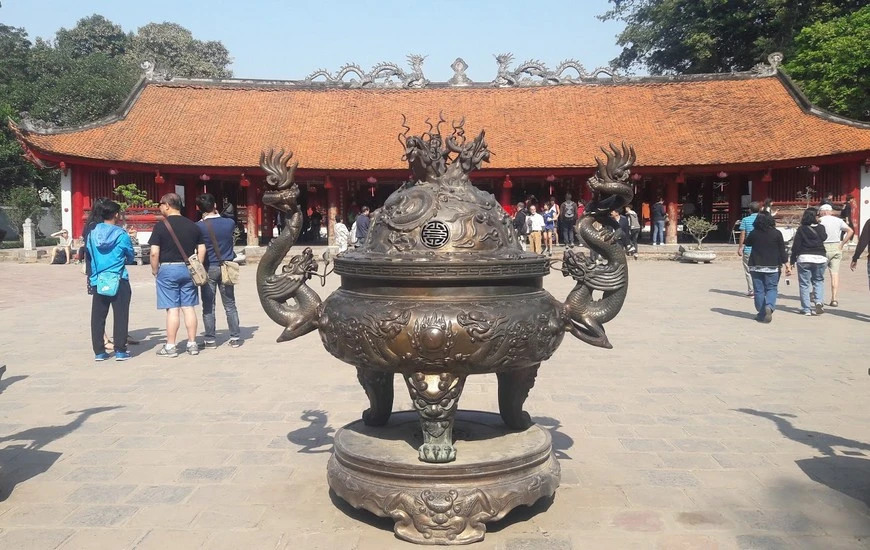
After walking through the Great Success Gate from the 3rd courtyard, you enter the wide 4th courtyard with a bronze incense burner in the foreground and the Great Success Sanctuary in the background. The Great Success Sanctuary is where the statues of Confucius and his disciples (like Zisi) are housed.
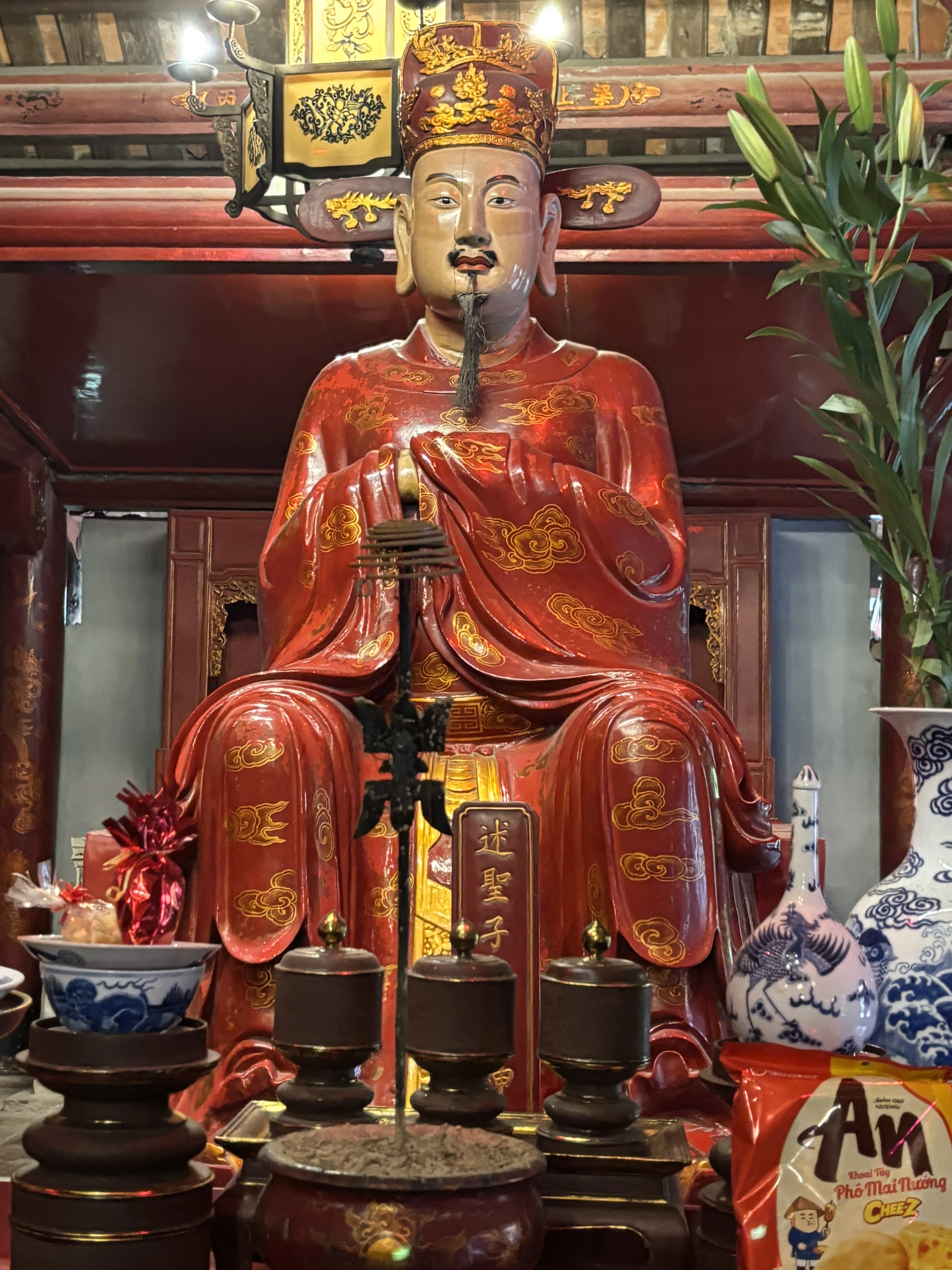
Within the Great Success Sanctuary is Zisi, the grandson of Confucius. He is one of the four elite disciples whose statues flank the main central statue of Confucius.
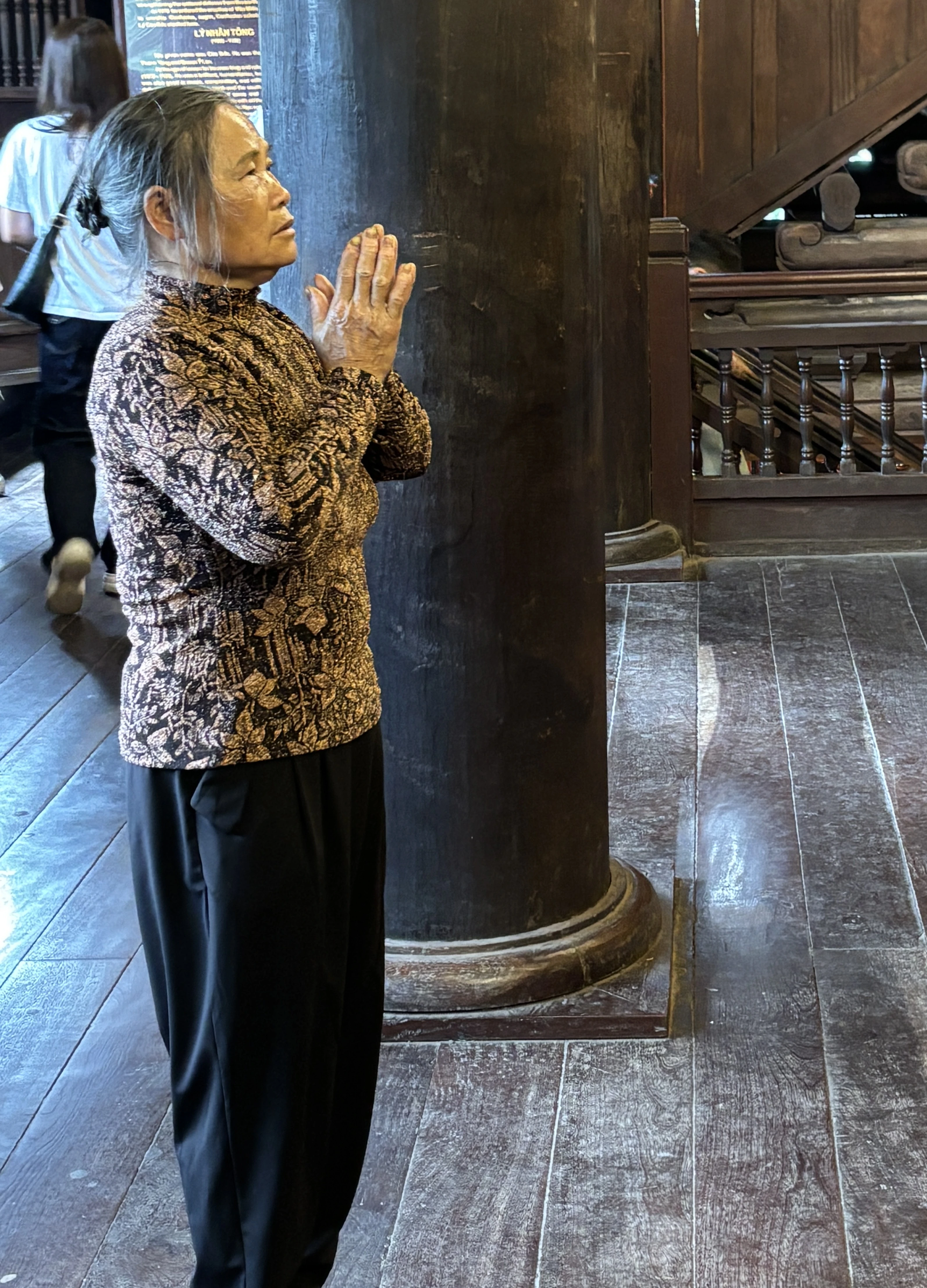
Education is seen as the ultimate "ladder" for a family’s success. This older woman is likely asking Zisi to grant her grandchildren clarity of mind, diligence, and success in their studies or upcoming exams.
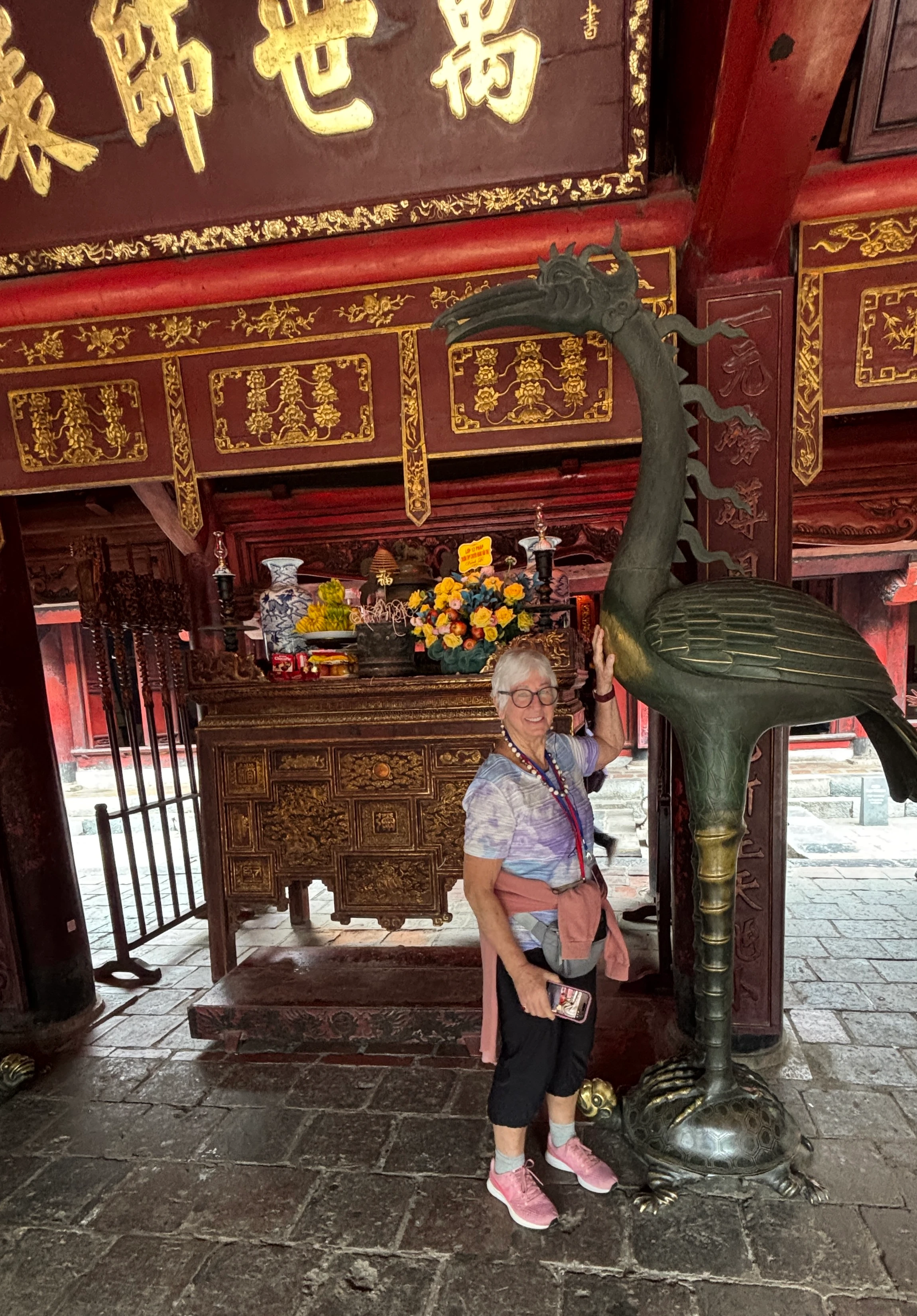
Also in the Great Success Sanctuary is a Crane Standing on the Back of a Turtle. Ancient stories say that during a flood, the crane would stand on the turtle's back to keep from drowning. During a drought, the turtle would hide under the crane’s wings to keep cool. Together, they represent eternal friendship, mutual support, and harmony between Heaven & Earth. Touching the bronze crane brings good luck, health, and wisdom.
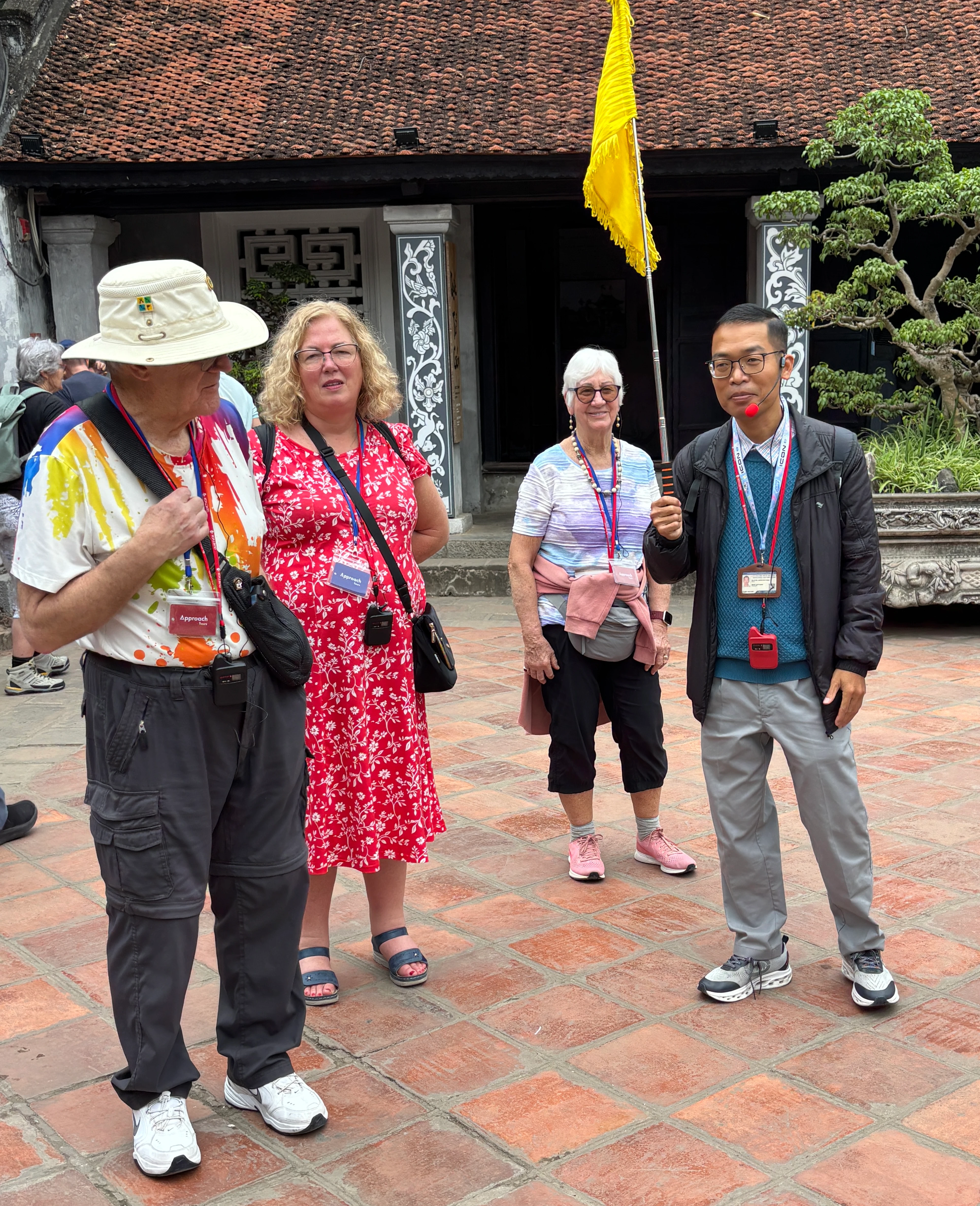
After walking through the Great Success Sanctuary we entered the 5th courtyard, or Imperial Academy. This is the actual university where students lived, studied, and sat for their exams. Bob, Karin, Anna & Tony are in the 5th courtyard; note they are all wearing their one-way radios.
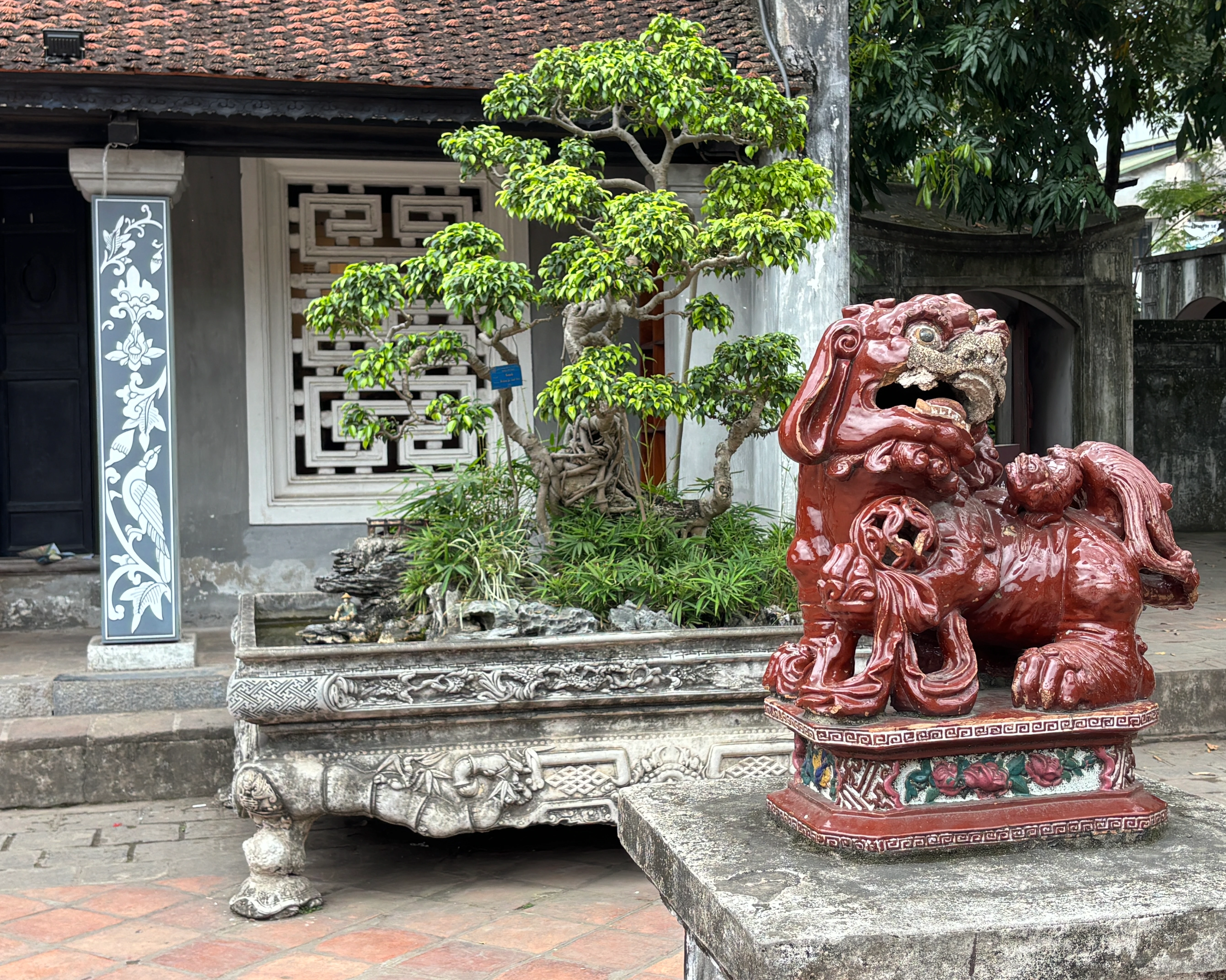
The Nghê is a mythical Vietnamese guardian animal in the 5th courtyard. It is a hybrid of a lion and a dog, symbolizing a blend of strength and faithfulness. The vibrant red color is a symbol of luck, wealth, and energy in Vietnamese culture.
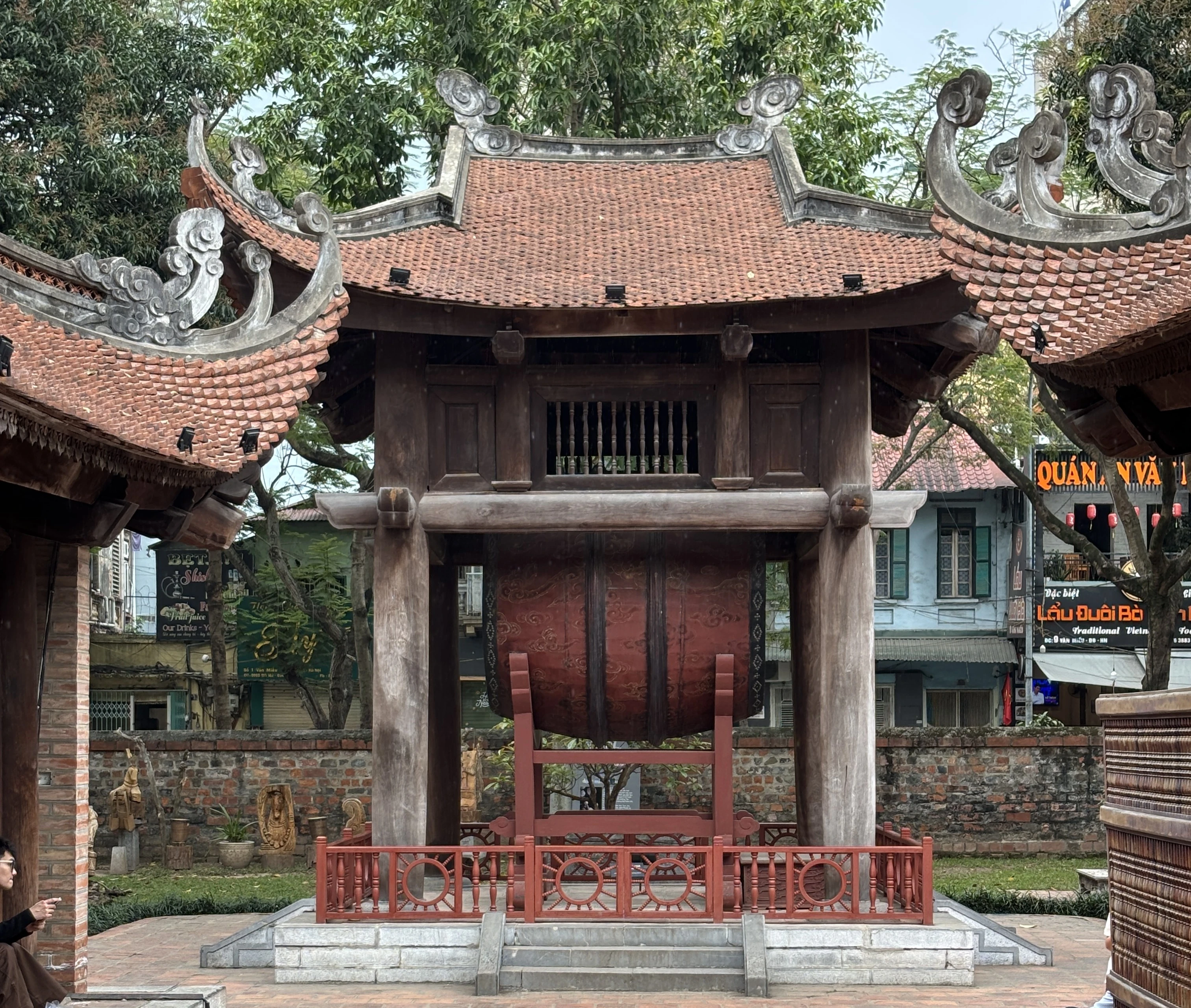
Within the 5th courtyard is the Drum House which contains the "Thunder Drum". Traditionally, drums like this were used to signal the beginning and end of lessons or to mark important ceremonies and the arrival of high-ranking officials.
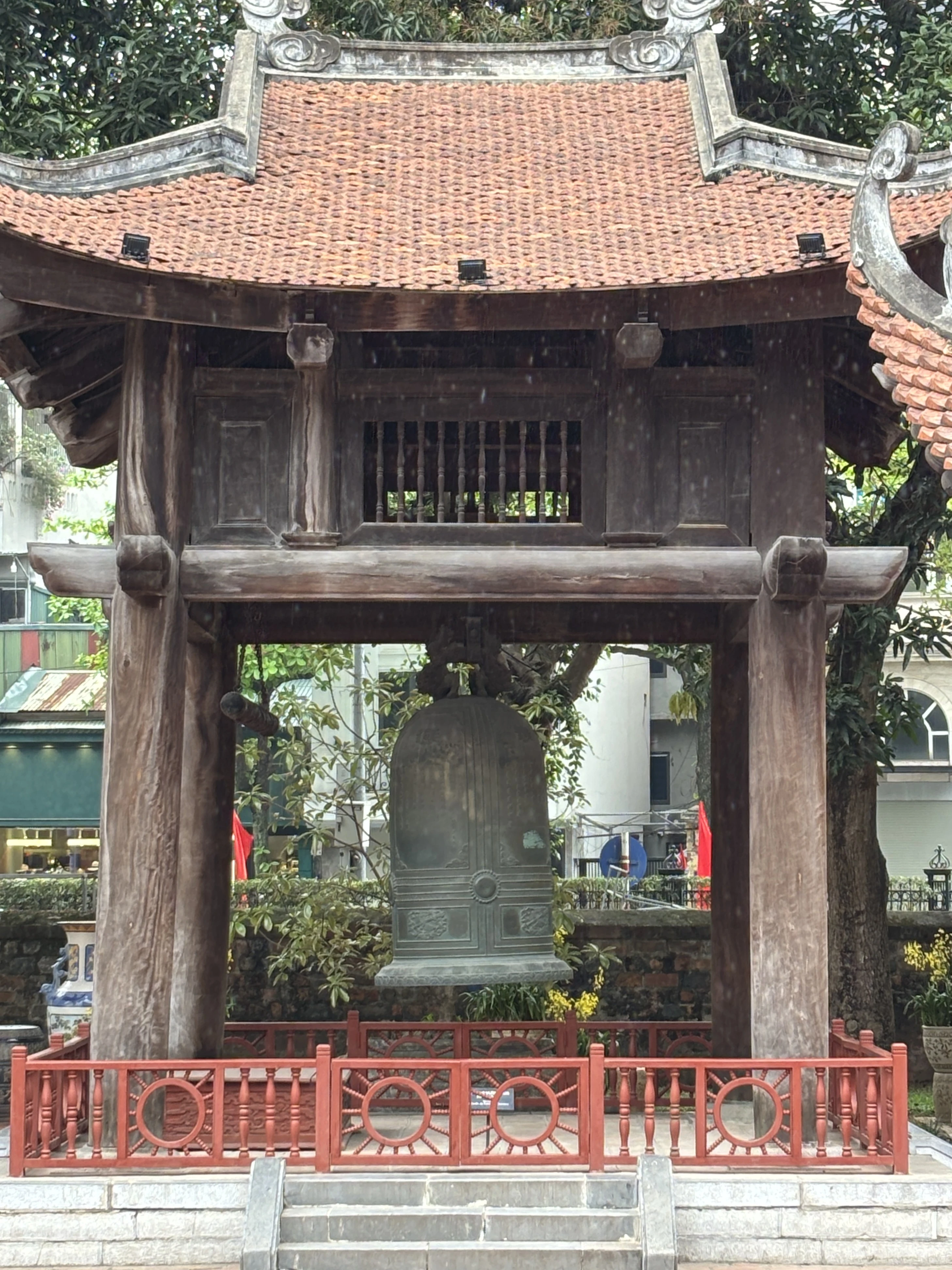
The Bell House is a direct counterpart to the Drum House in the 5th courtyard. The two are almost always paired together to create a sense of balance. While the drum was traditionally used to mark the start and end of lessons, the bell was often used during formal ceremonies or to signal the arrival of dignitaries. Together, they are known as the "sounds of the temple."
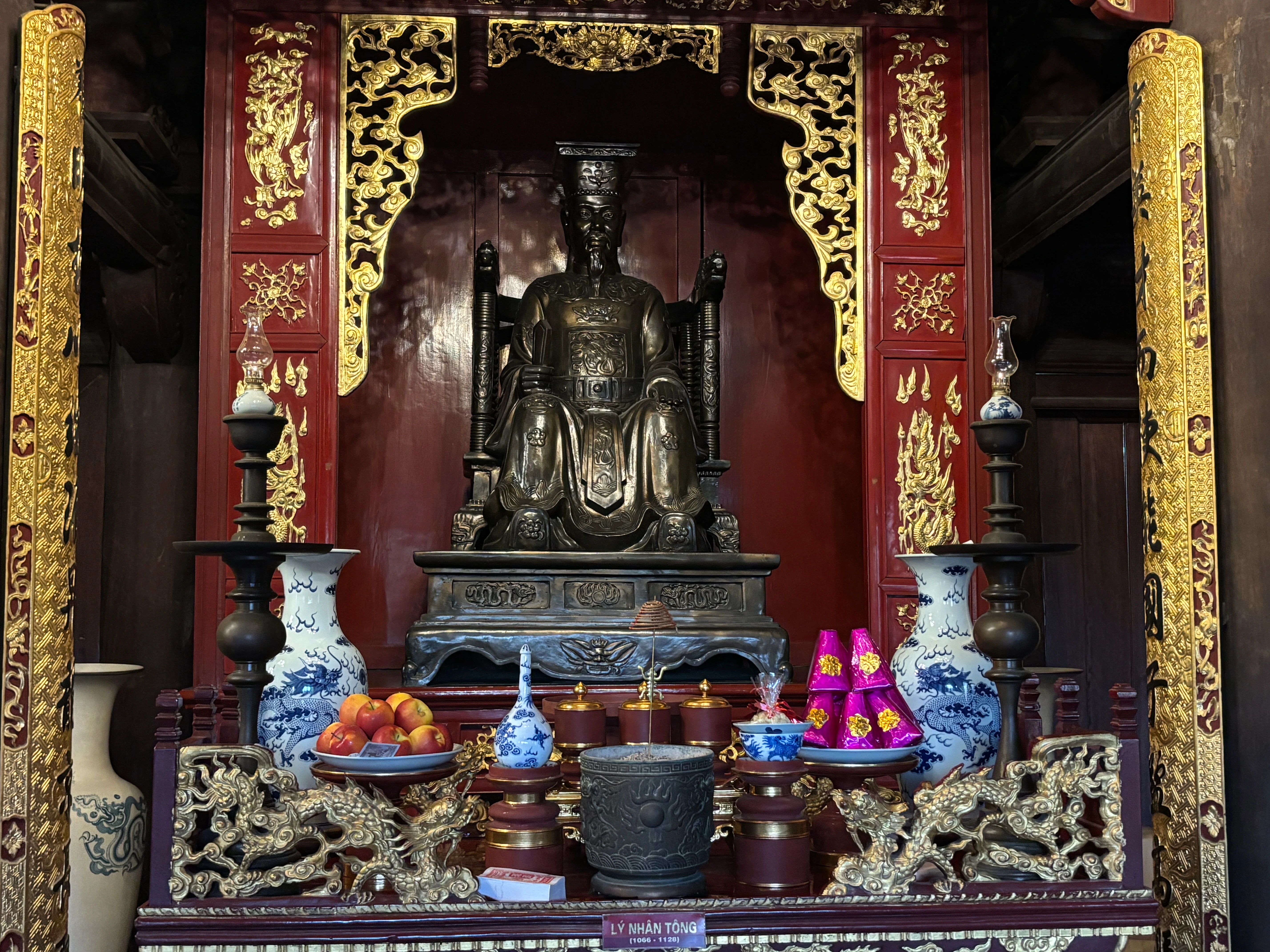
Also in the 5th courtyard is King Lý Nhân Tông who established the Imperial Academy. He was highly dedicated to education and was the one who organized the very first "Doctoral" examinations in Vietnam to find the brightest minds to help run the country.
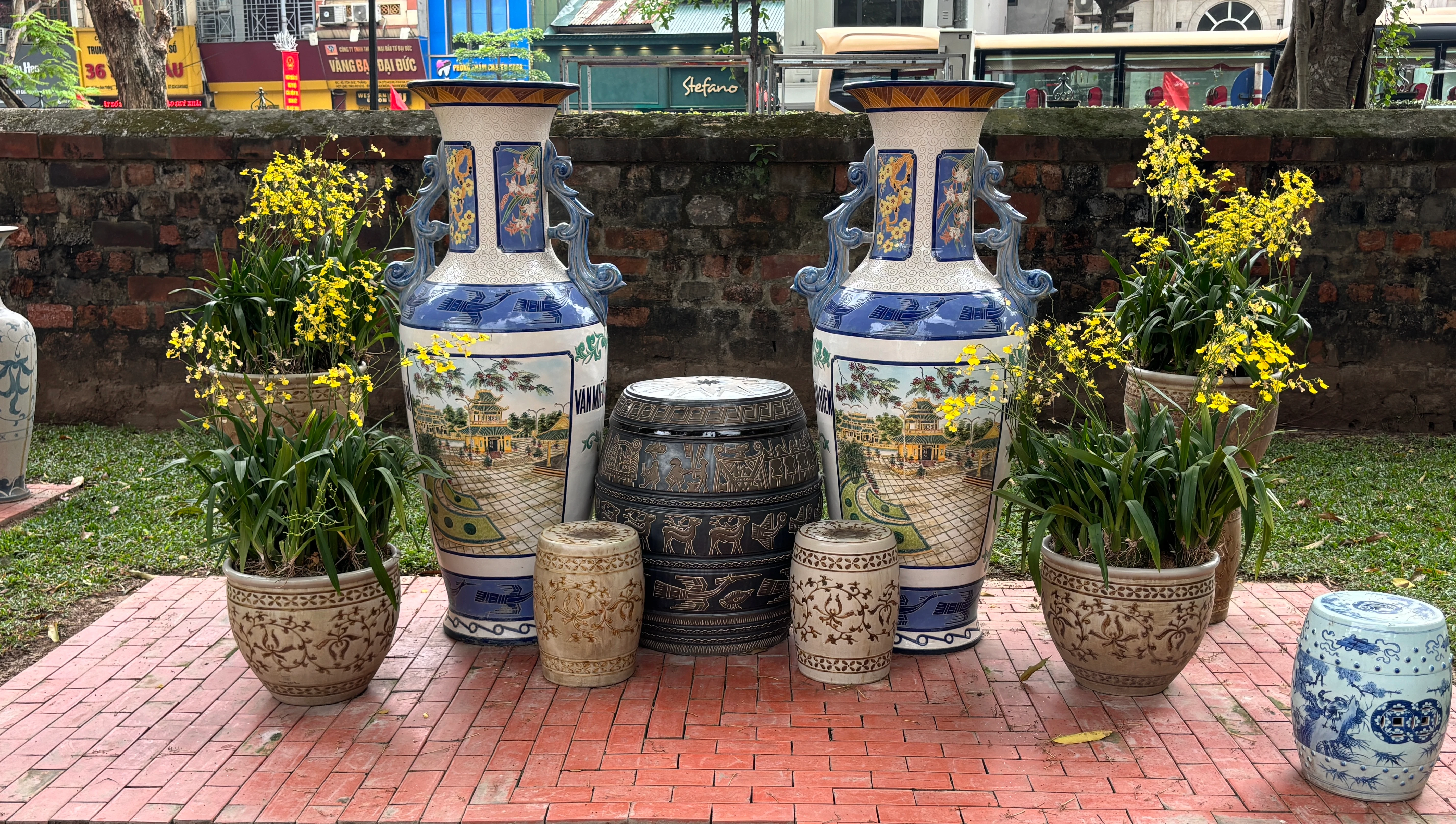
Traditional Vietnamese ceramics also in the 5th courtyard. These pieces are likely from Bát Tràng, a famous ceramic village near Hanoi that has been producing pottery for over 700 years. The paintings on the vases and several other pieces depict the Temple of Literature.
HANOI • BUN CHA OBAMA
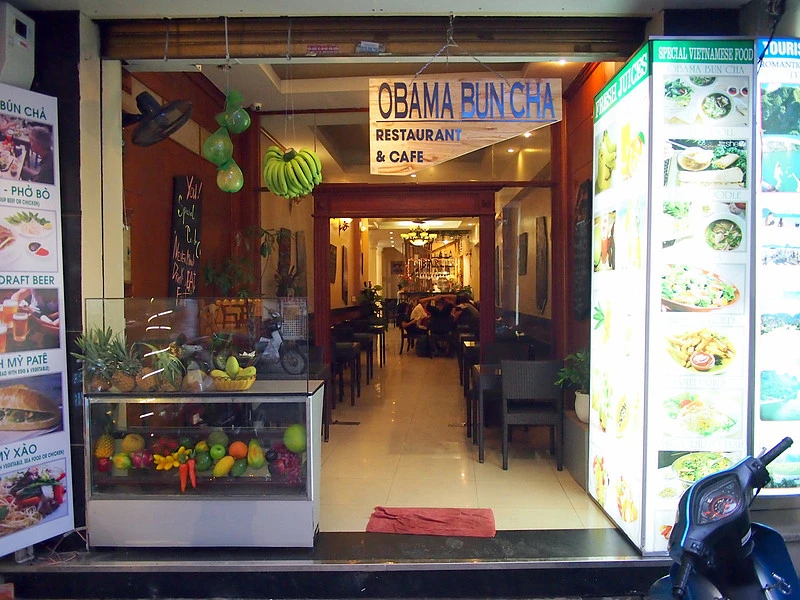
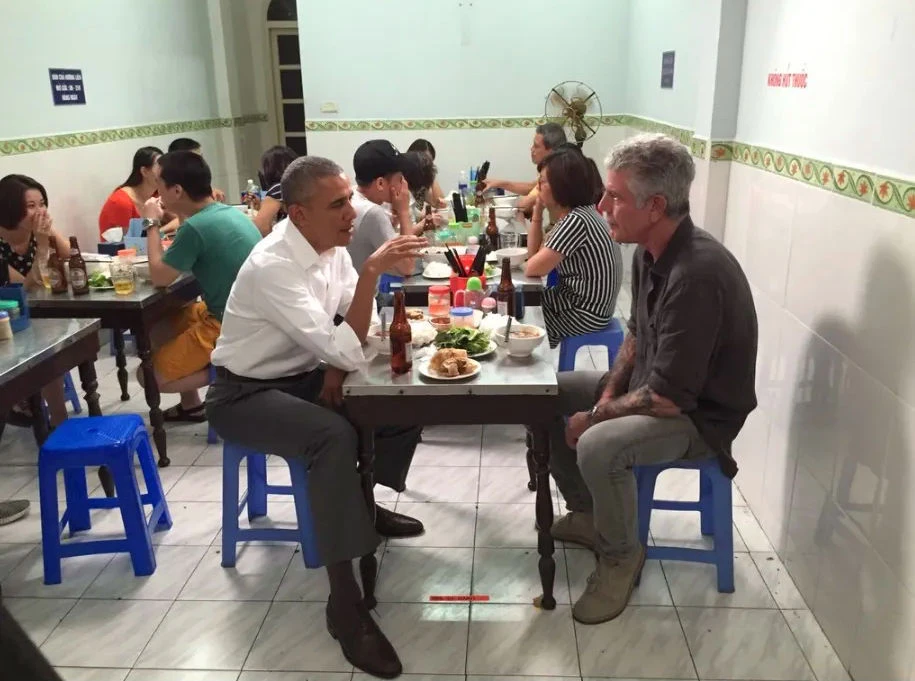
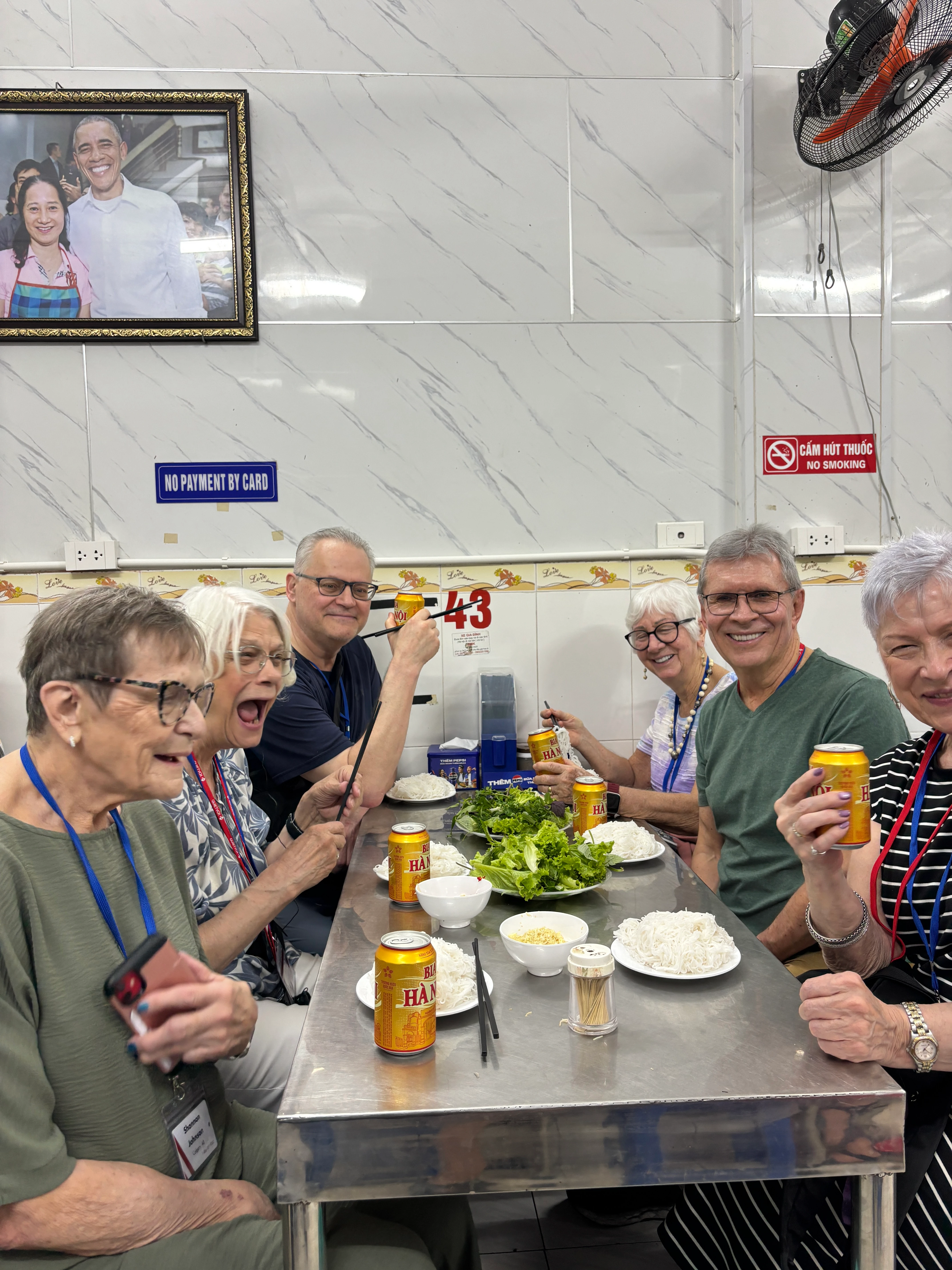
After visiting the Temple of Literature, we made our way to the Bún Chả Hương Liên restaurant for lunch. It became famous after Barack Obama and chef Anthony Bourdain ate there in 2016. The eatery is now often called “Bun Cha Obama”.
"Bun Cha Obama".
Barack Obama and chef Anthony Bourdain dining there in 2016.
Dining in Bun Cha Obama.
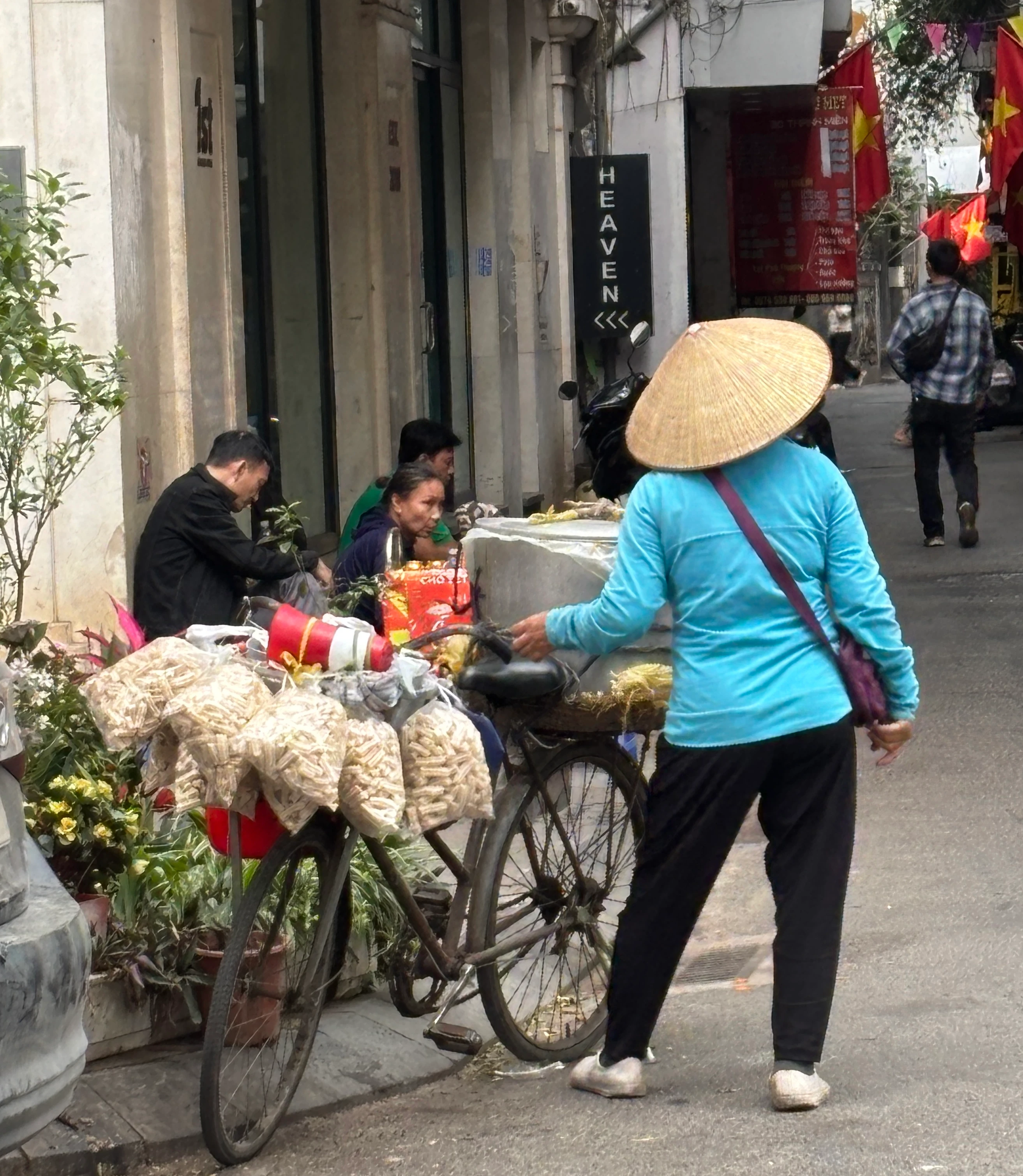
A street vendor near the restaurant.
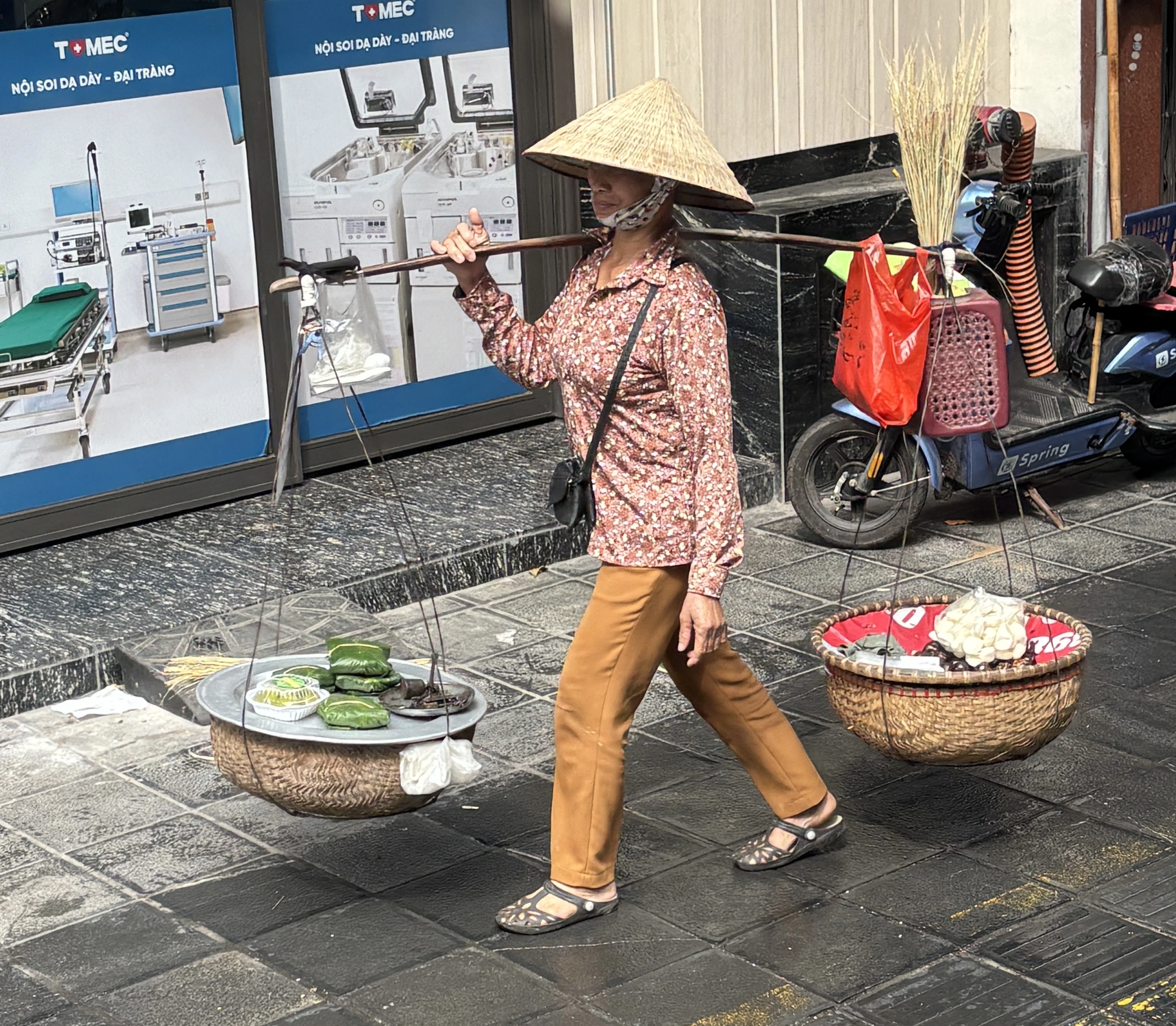
Another street vendor near the restaurant.
HANOI • EGG COFFEE
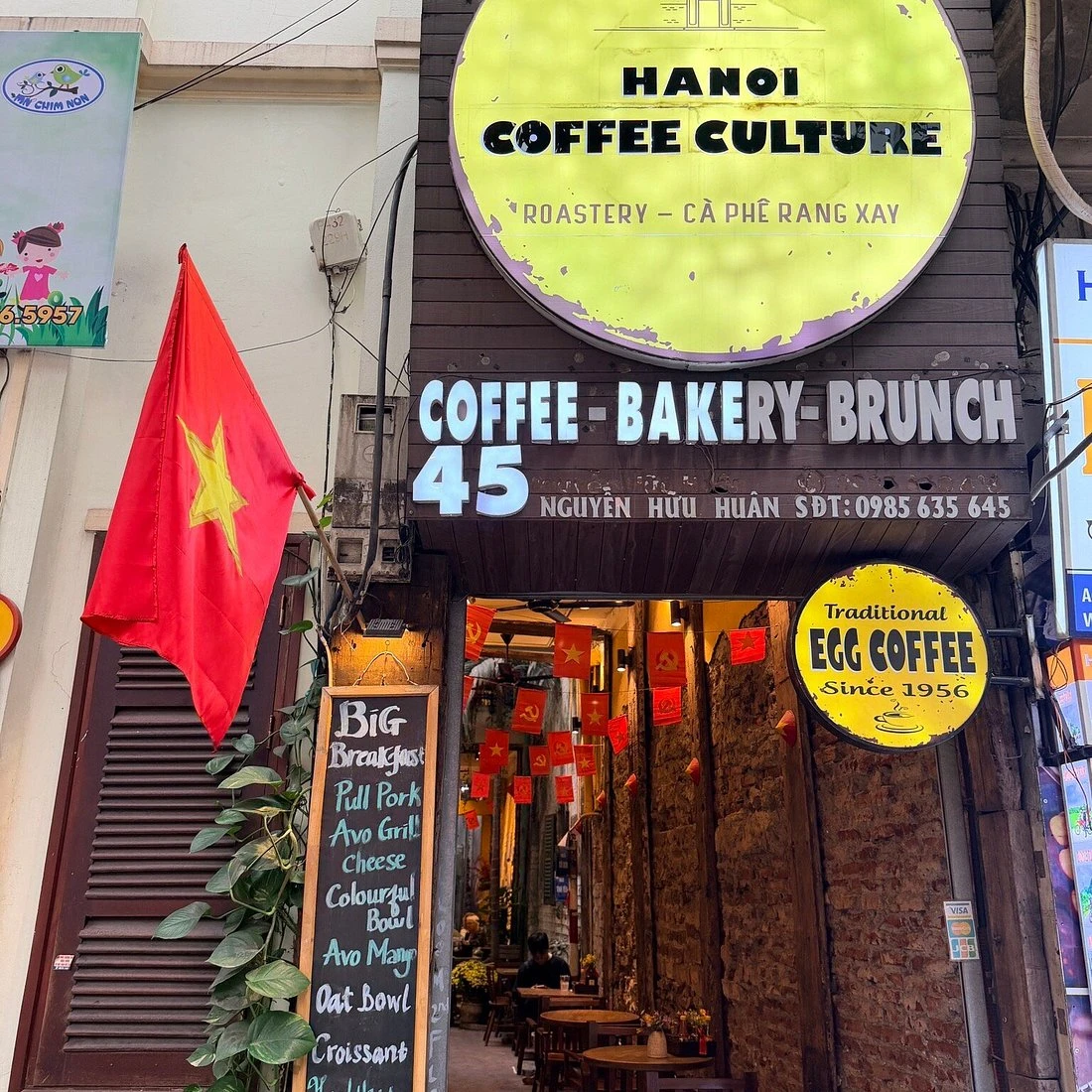
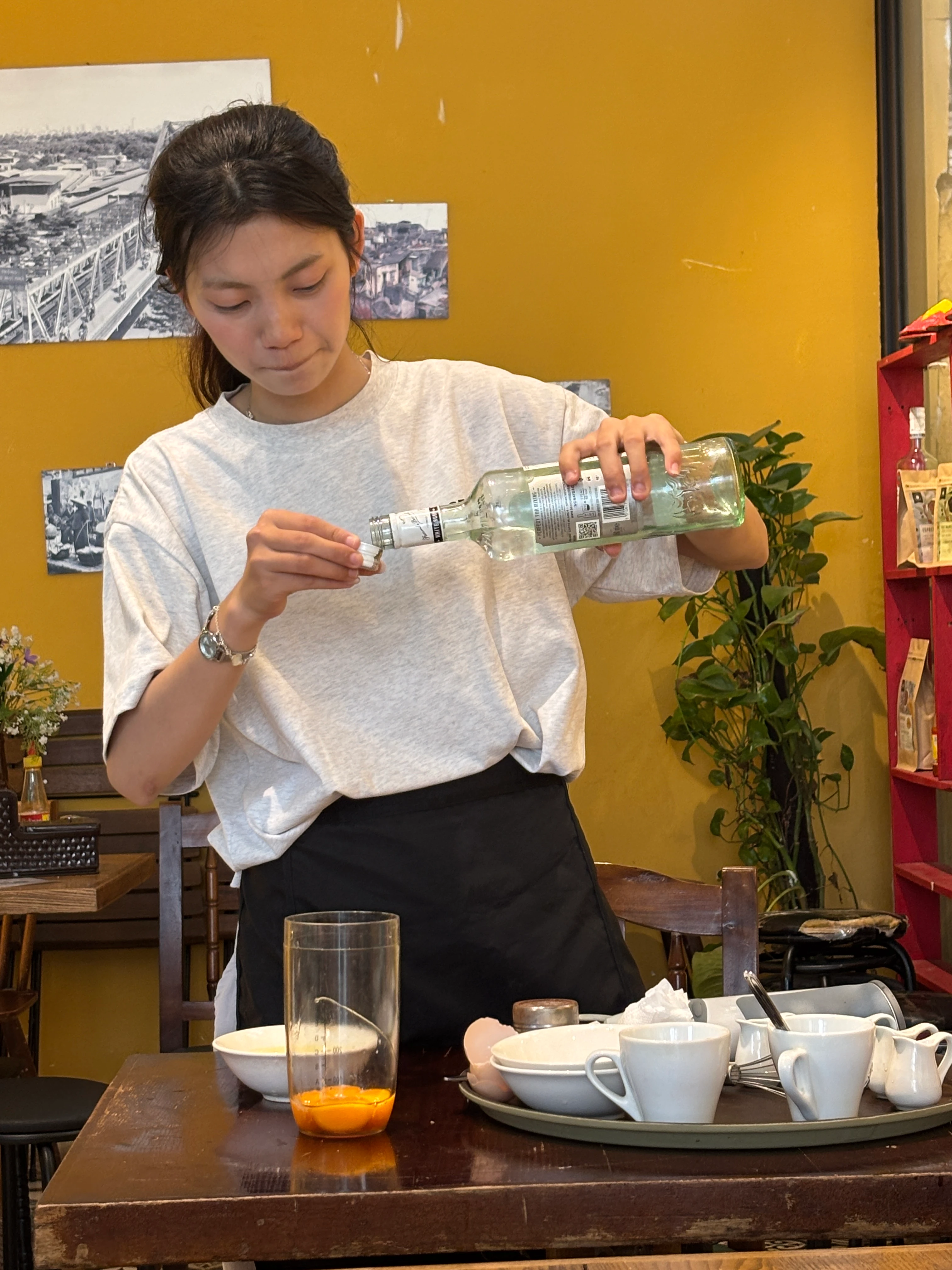
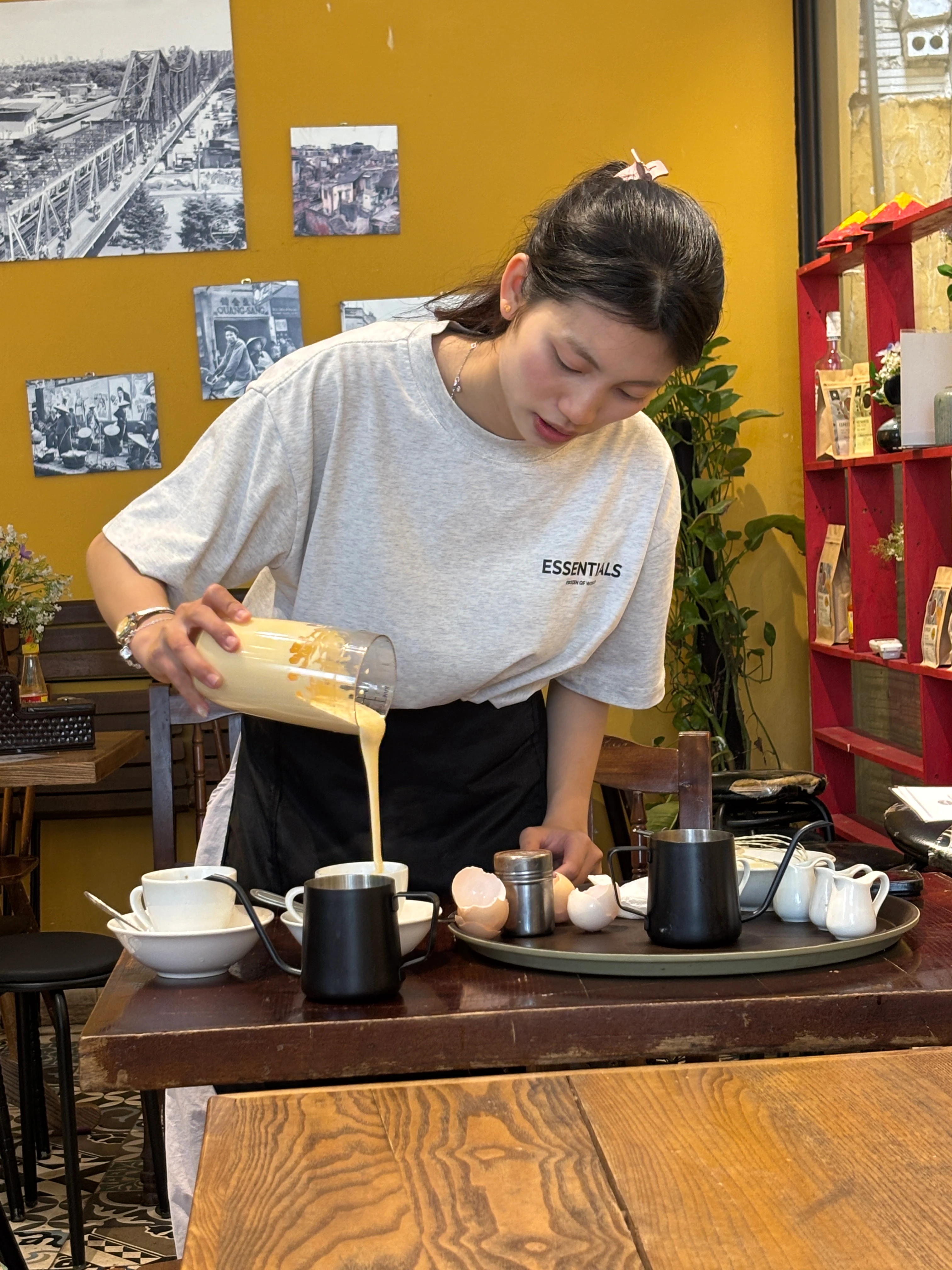
We then made our way to the Hanoi Coffee Culture restaurant where we saw the traditional egg coffee made for us!
Hanoi Coffee Culture restaurant.
Lots of interesting ingredients!
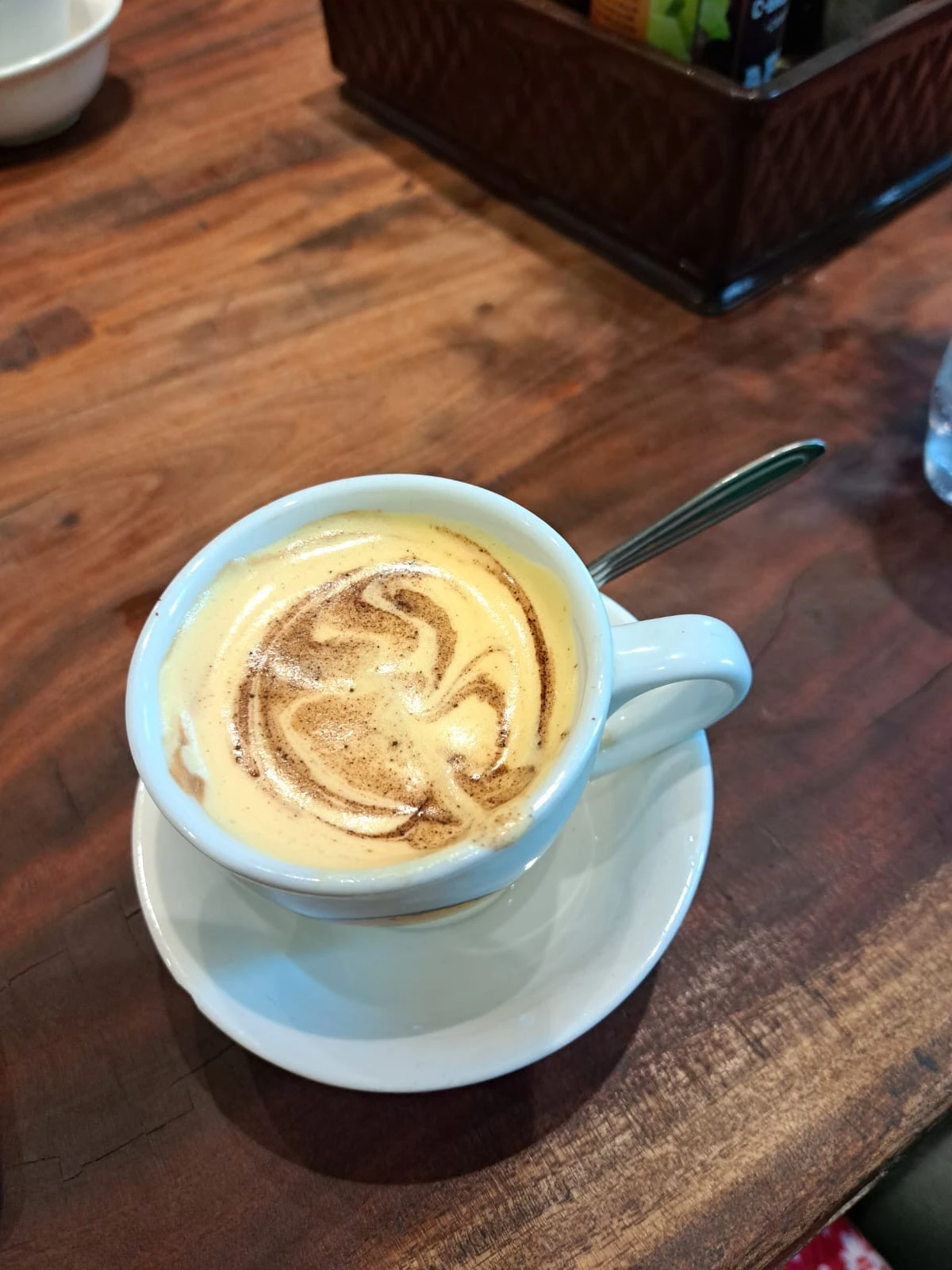
It is a rich, creamy beverage made by whipping egg yolks with sweetened condensed milk, a dark Vietnamese roast coffee, vanilla extract, cinnamon, and rum (especially for us!).
The finished product...it tasted like liquid tiramisu!
HANOI • HOÀN KIẾM LAKE
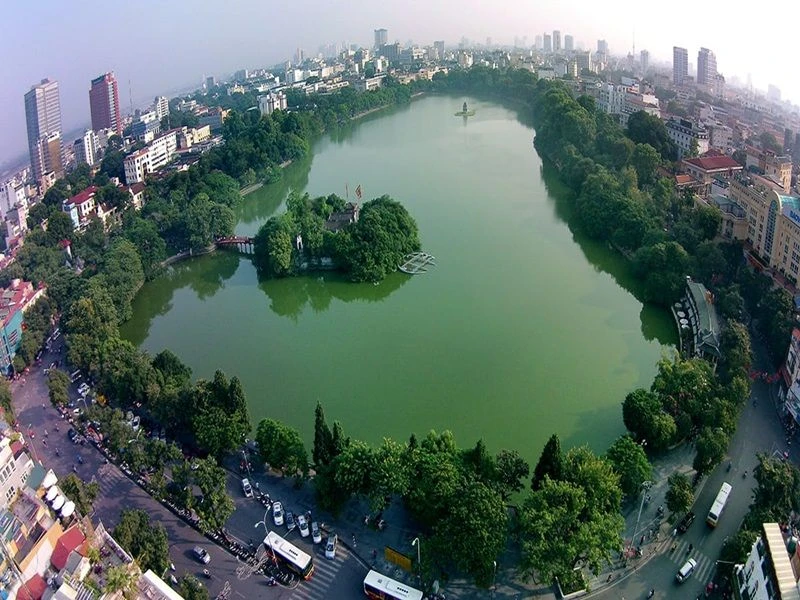
After enjoying our egg coffee, we travelled to Hoàn Kiếm Lake.
Hoàn Kiếm Lake is a 12-hectare freshwater lake located in the historic heart of Hanoi, serving as the city's cultural, geographic, and social center.
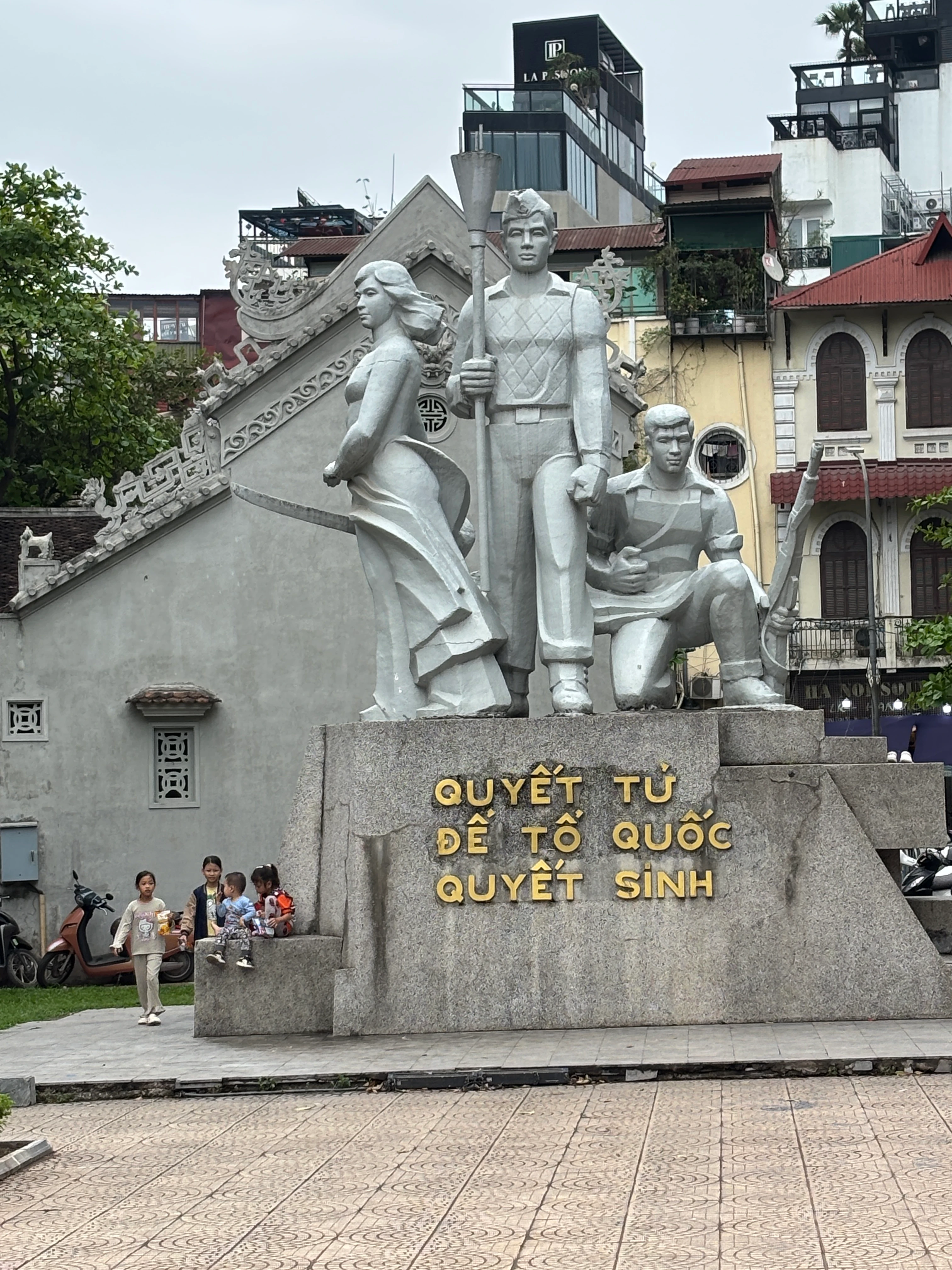
The gold lettering on this monument, at the northeastern corner of Hoàn Kiếm Lake, translates to "Determined to Die, So That the Fatherland May Live". It commemorates the soldiers and people of Hanoi who fought against the French in the Battle of Hanoi during the winter of 1946, which was the beginning of the First Indochina War.
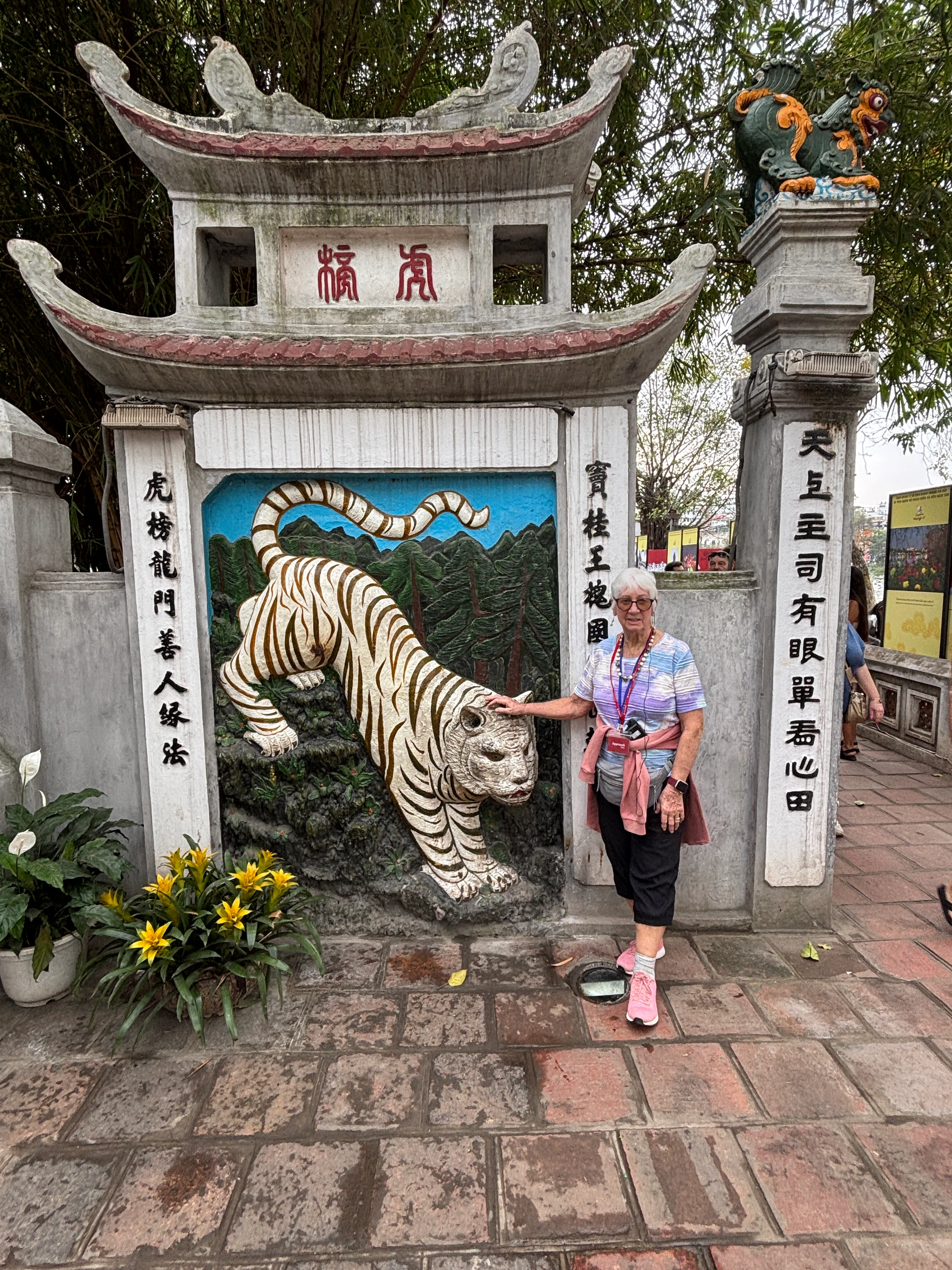
This Tiger Board is located at the entrance to the Temple of the Jade Mountain which is located on a small island right in the middle of Hoàn Kiếm Lake. The white tiger descending a mountain symbolizes the power of a scholar who has mastered their studies and is ready to enter the world.
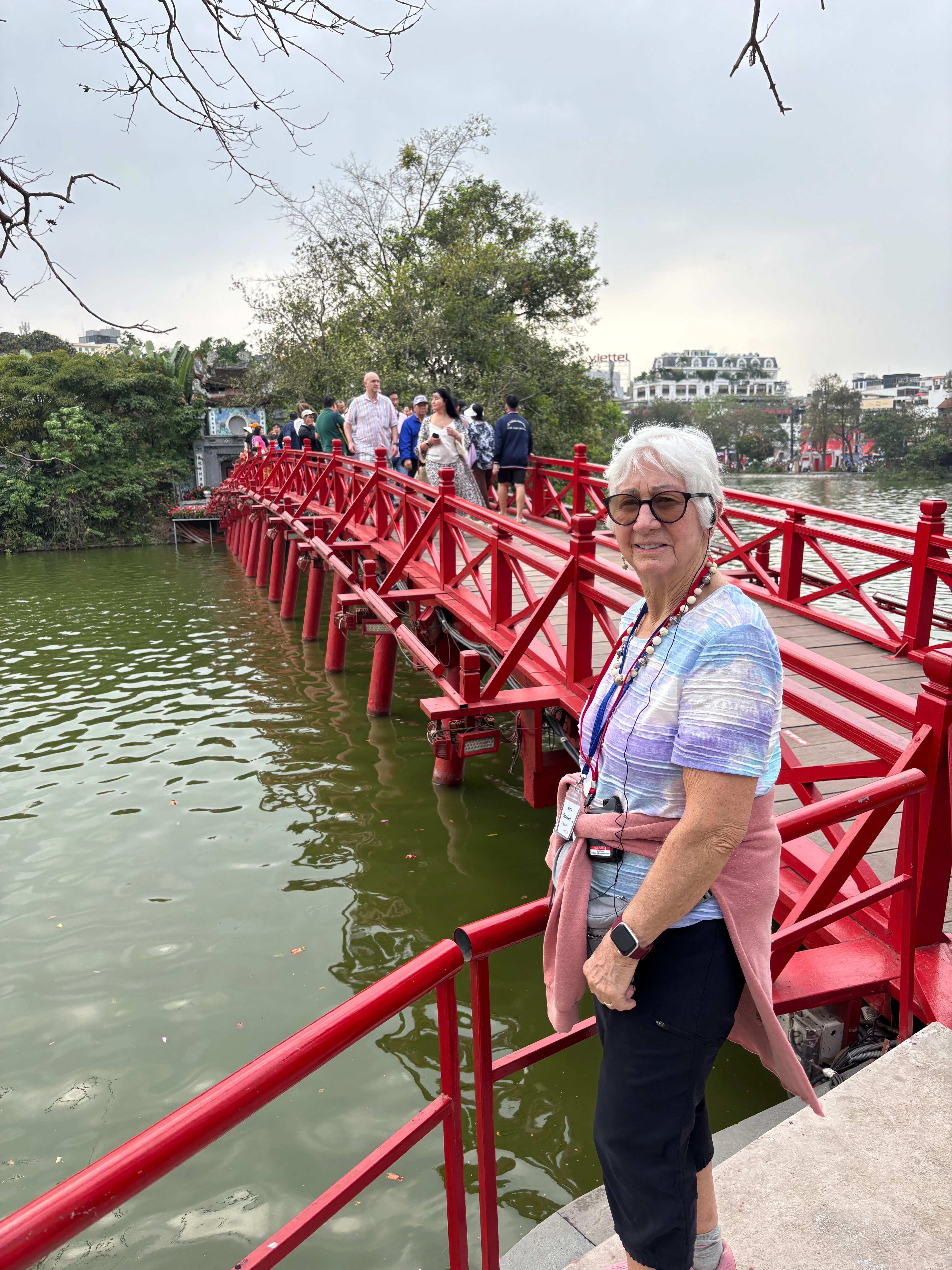
The iconic red Thê Húc Bridge, which translates to the "Bridge of the Welcoming Morning Sun", leads directly to the Ngọc Sơn Temple of the Jade Mountain on Jade Island.
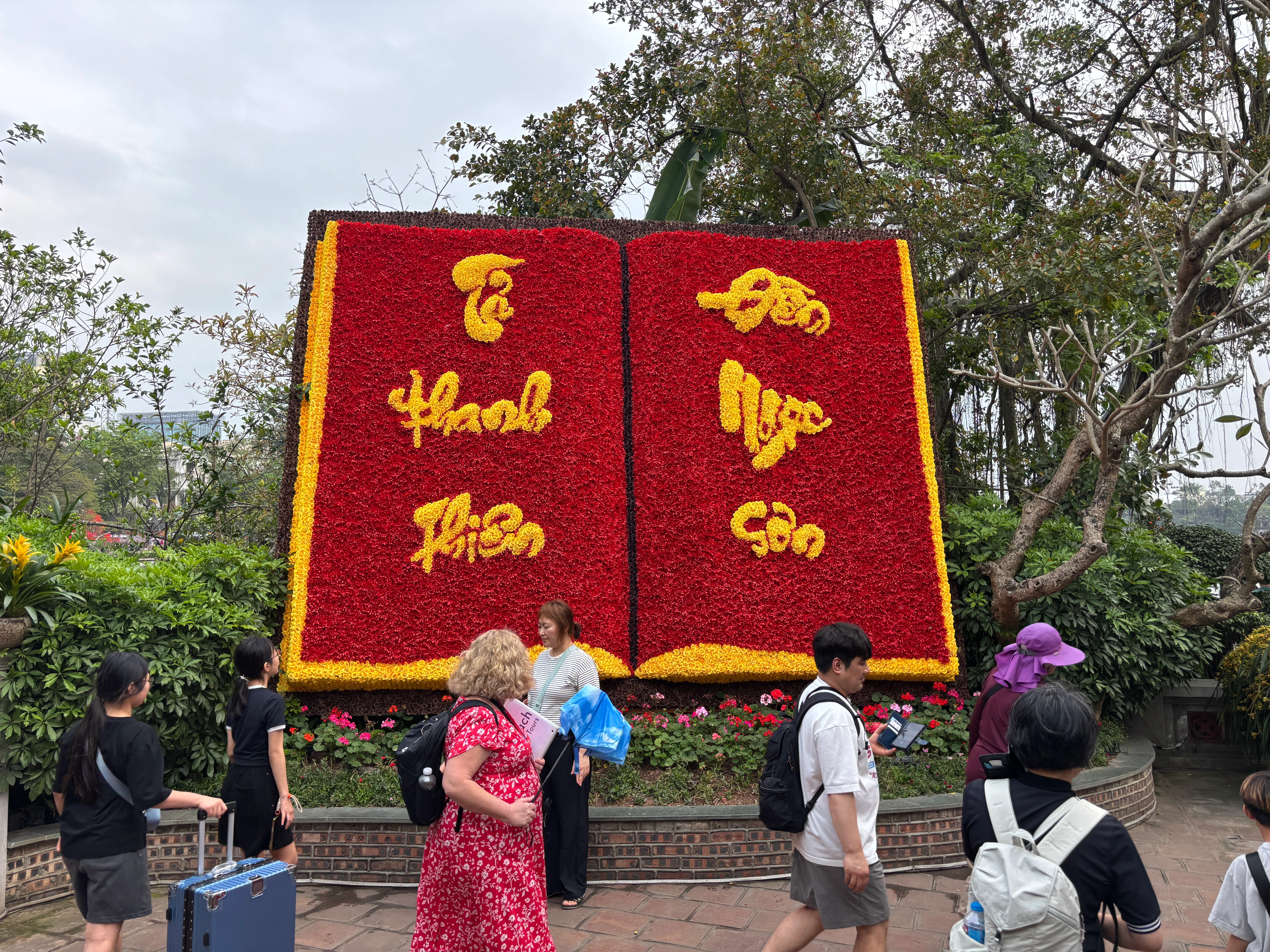
This floral monument, shaped like an open book, is located on Jade Island right near the entrance to the Jade Mountain Temple. It’s essentially a giant "honor roll" made of flowers that highlights the significance of the historic site.
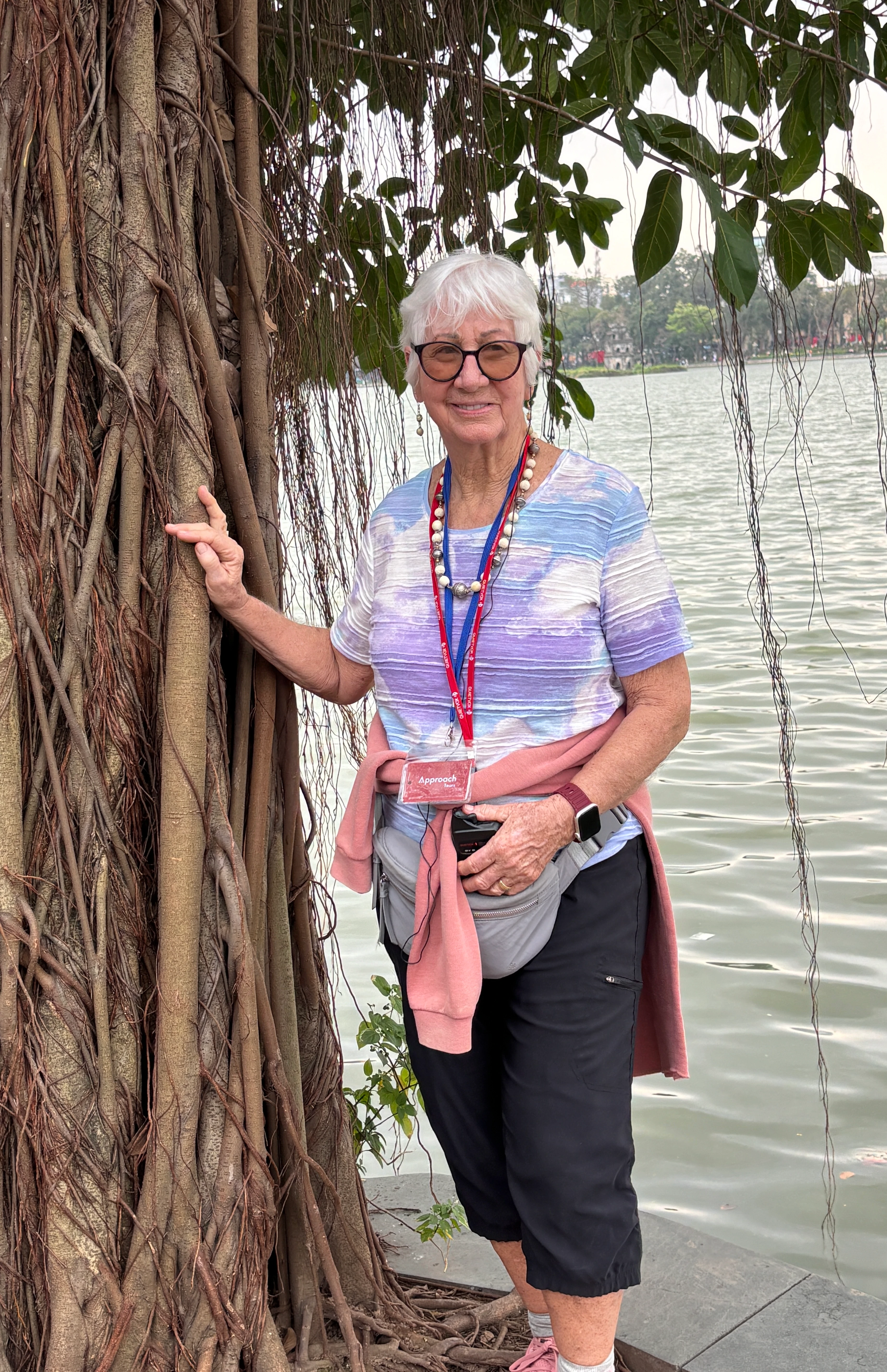
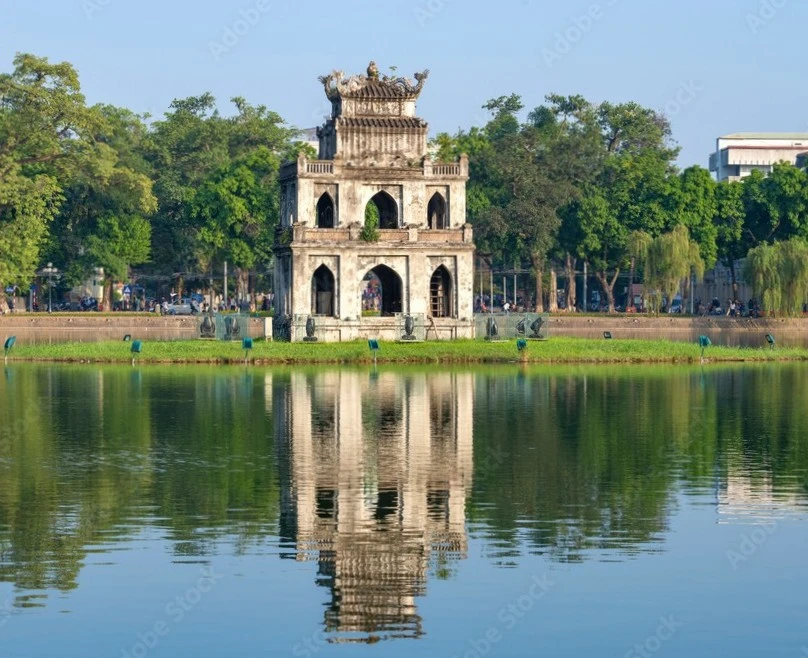
Anna is standing next to large banyan tree roots with Hoàn Kiếm Lake behind. Over her left shoulder is Turtle Tower, one of the most famous landmarks in Hanoi. This small pagoda was built in the 1880s on its own isolated "Turtle Island" and is off-limits to the public.
Turtle Tower is incredibly significant because of the legend that gives the lake its name (Hoàn Kiếm means "Lake of the Restored Sword"). According to legend, in the 15th century, King Lê Lợi was given a magical sword by a Golden Turtle God to help him drive out invaders. After his victory, while he was boating on this lake, the giant turtle surfaced, took the sword back, and returned it to the depths.
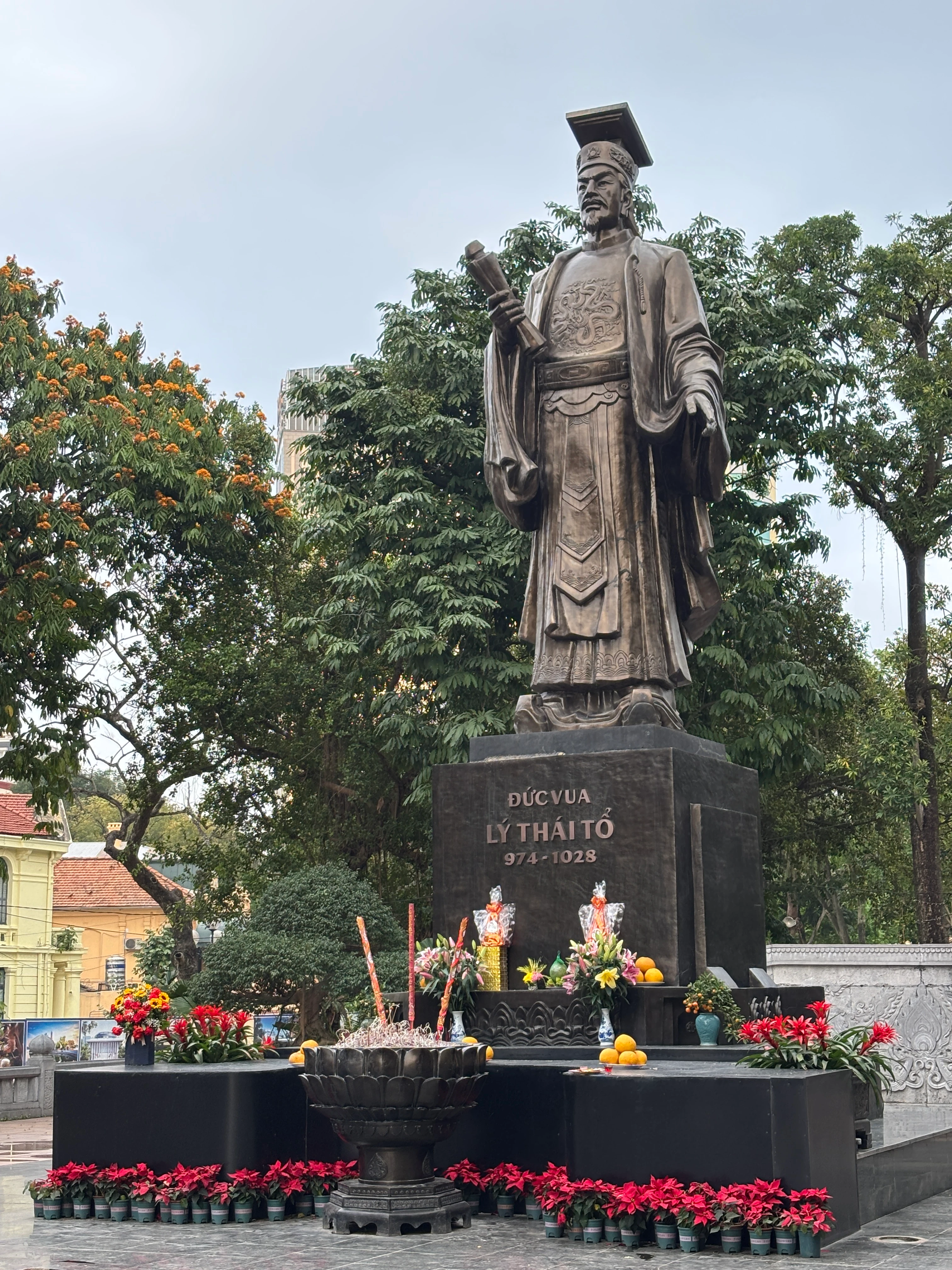
Across from Hoàn Kiếm Lake, we walked through Lý Thái Tổ Garden to catch the bus back to our hotel for a brief rest. The Lý Thái Tổ statue is located in the heart of Hanoi's Hoàn Kiếm district. He is revered for establishing Vietnam's independence, moving the capital to modern-day Hanoi in 1010, and promoting Buddhism.
HANOI • THANG LONG WATER PUPPET THEATRE
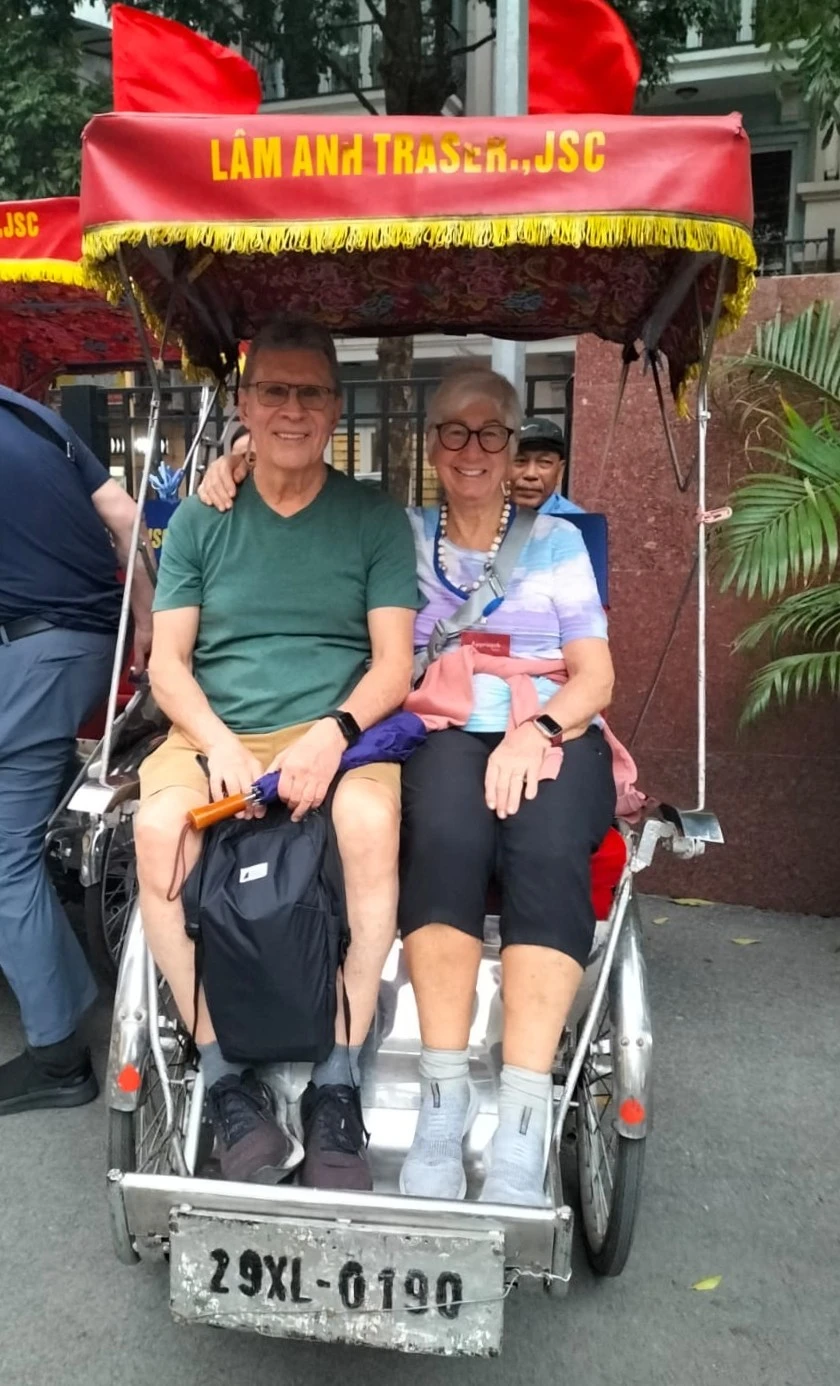
After a brief rest in our hotel, we enjoyed a tuk-tuk ride to our next venue, the Thang Long Water Puppet Theatre. It is located in the Old Quarter of Hanoi near Hoàn Kiếm Lake.
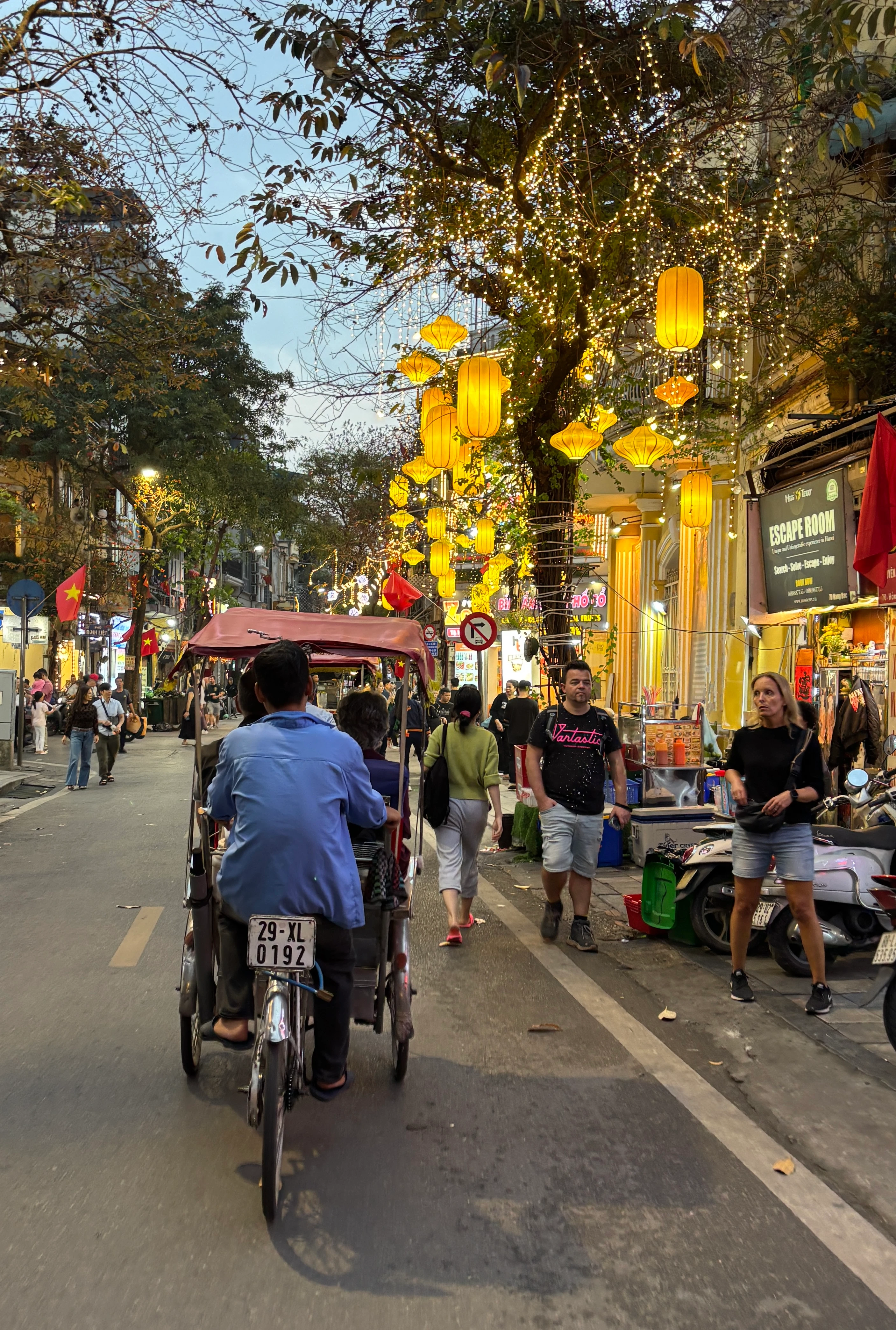
Our own personal tuk-tuk! The ride there offered many interesting sights.
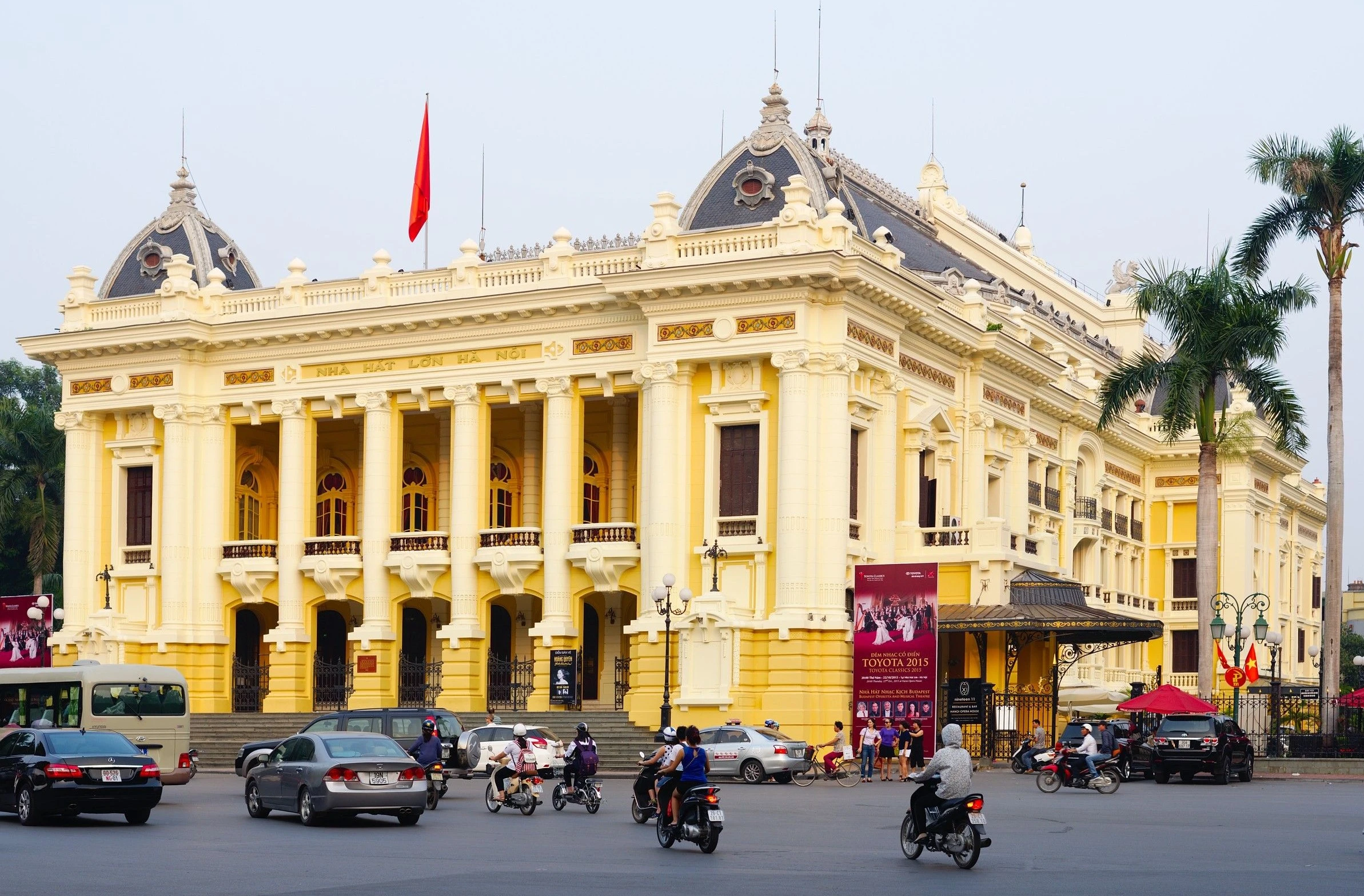
The Hanoi Opera House (often referred to as the Hanoi Grand Theatre). It was built by the French between 1901 and 1911 in the heart of Hanoi near Hoàn Kiếm Lake, and is a renowned neo-classical landmark used for performances and events. We didn't have time in our busy schedule to stop there or the St. Joseph Cathedral even though they were both on Approach's agenda!
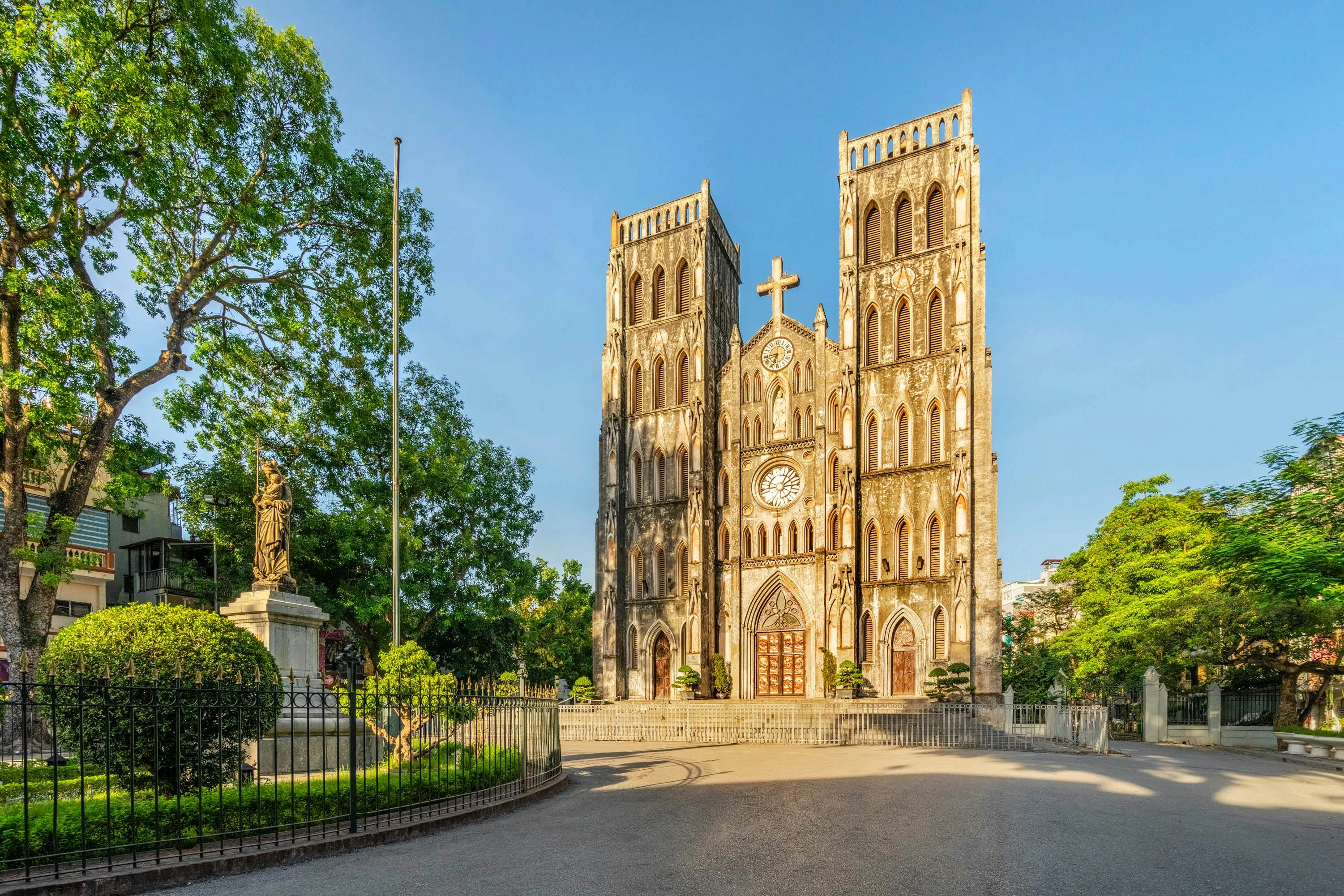
St. Joseph Cathedral is Hanoi’s oldest church located in the Hoàn Kiếm district. It is a 19th-century Neo-Gothic Roman Catholic cathedral completed in 1886 by French colonists, and is a historic landmark known for its twin bell towers and stained glass.
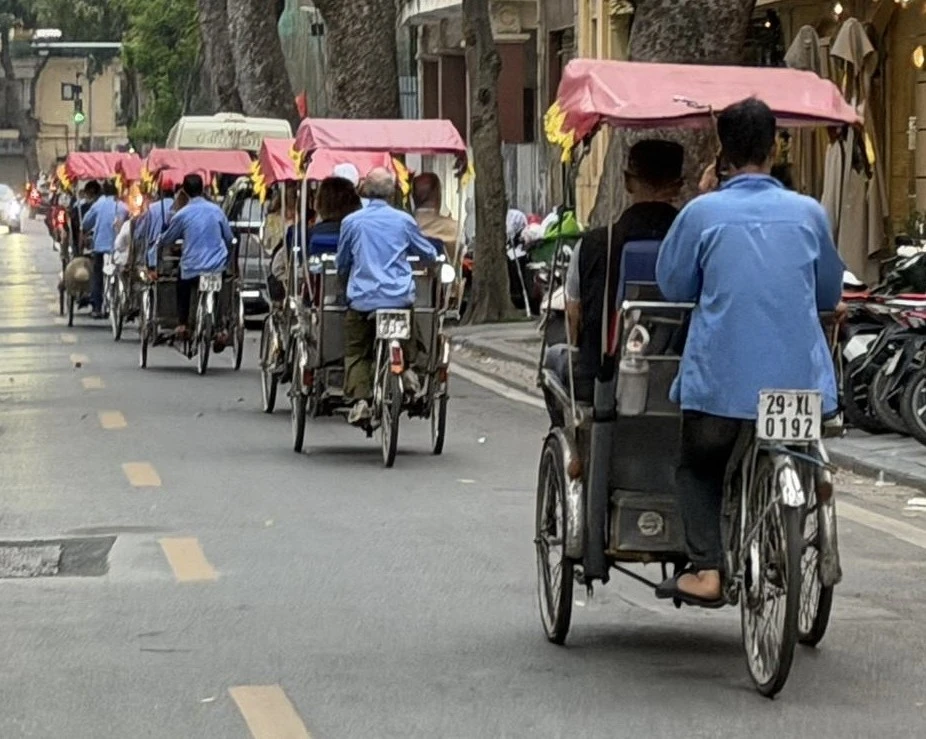
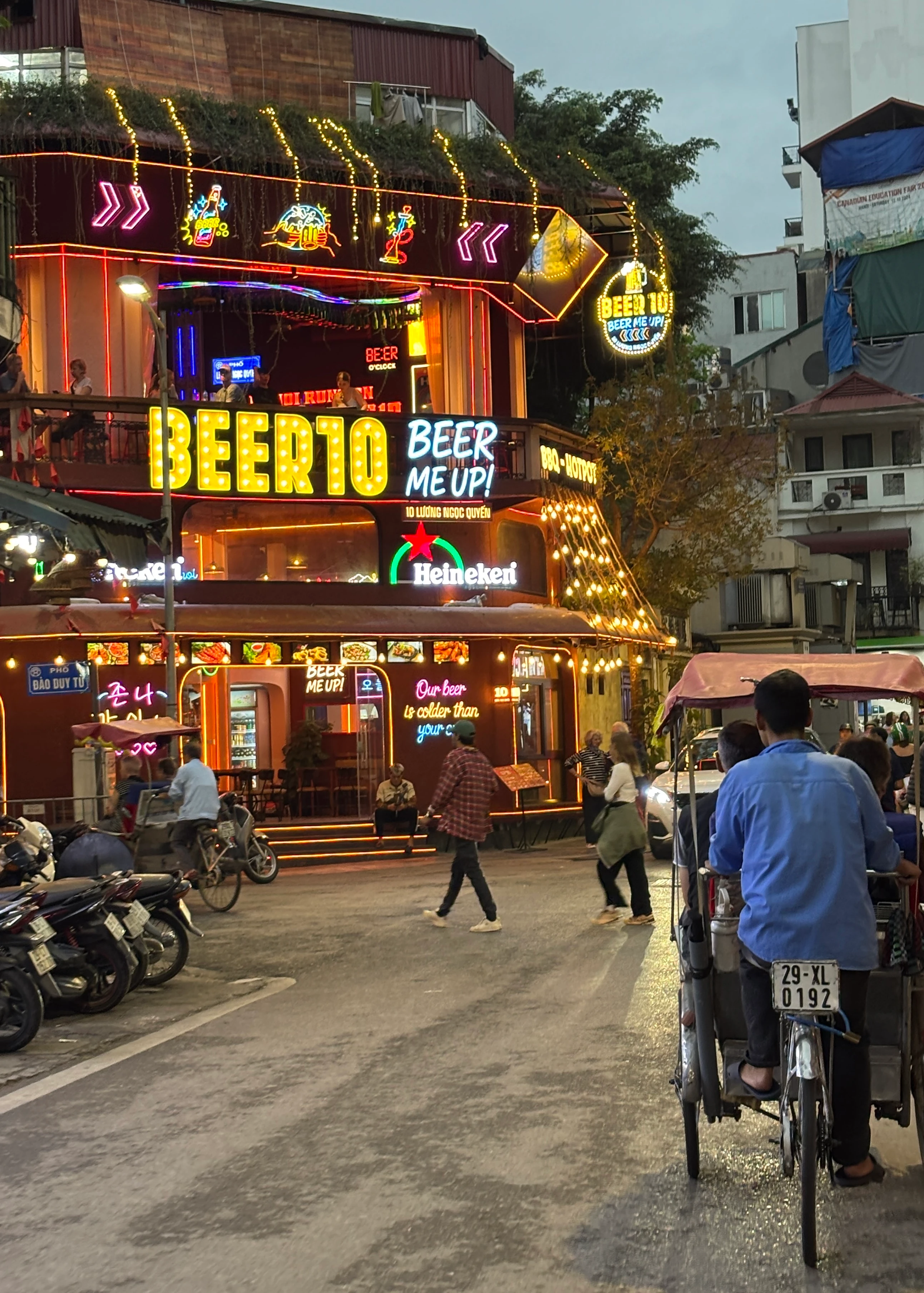
Our entourage of tuk-tuks!
One of the views en route.
Another view en route.
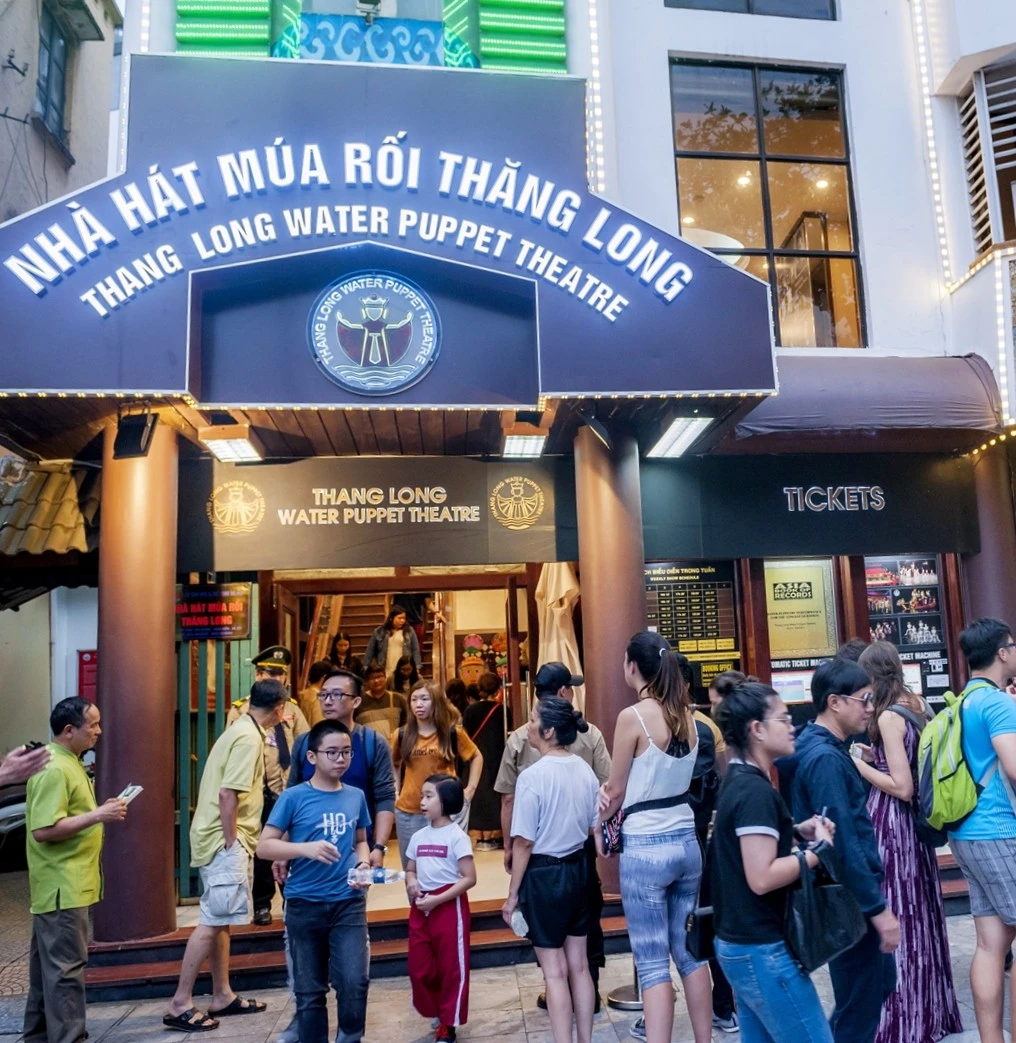
Thang Long Water Puppet Theatre.
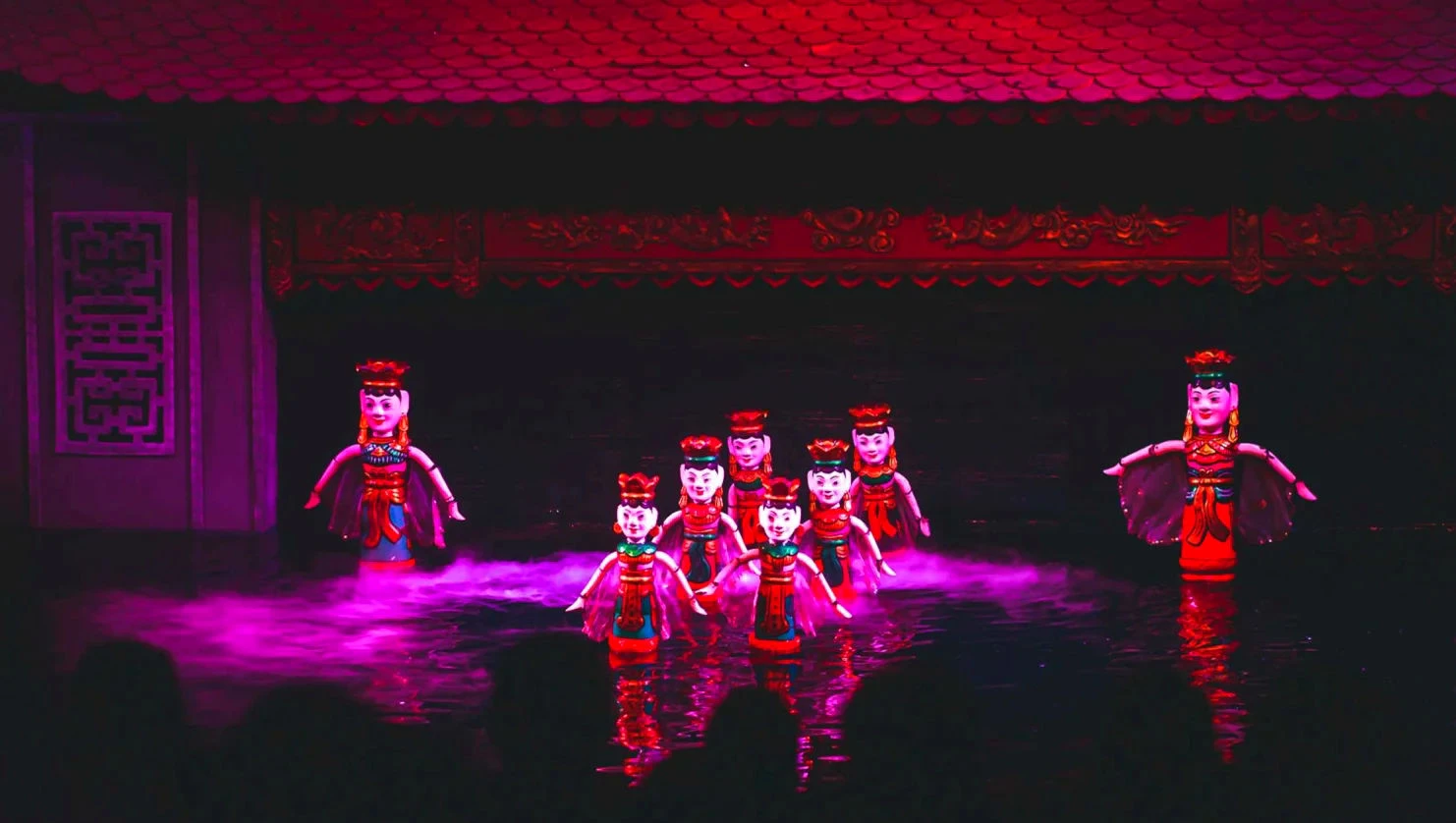
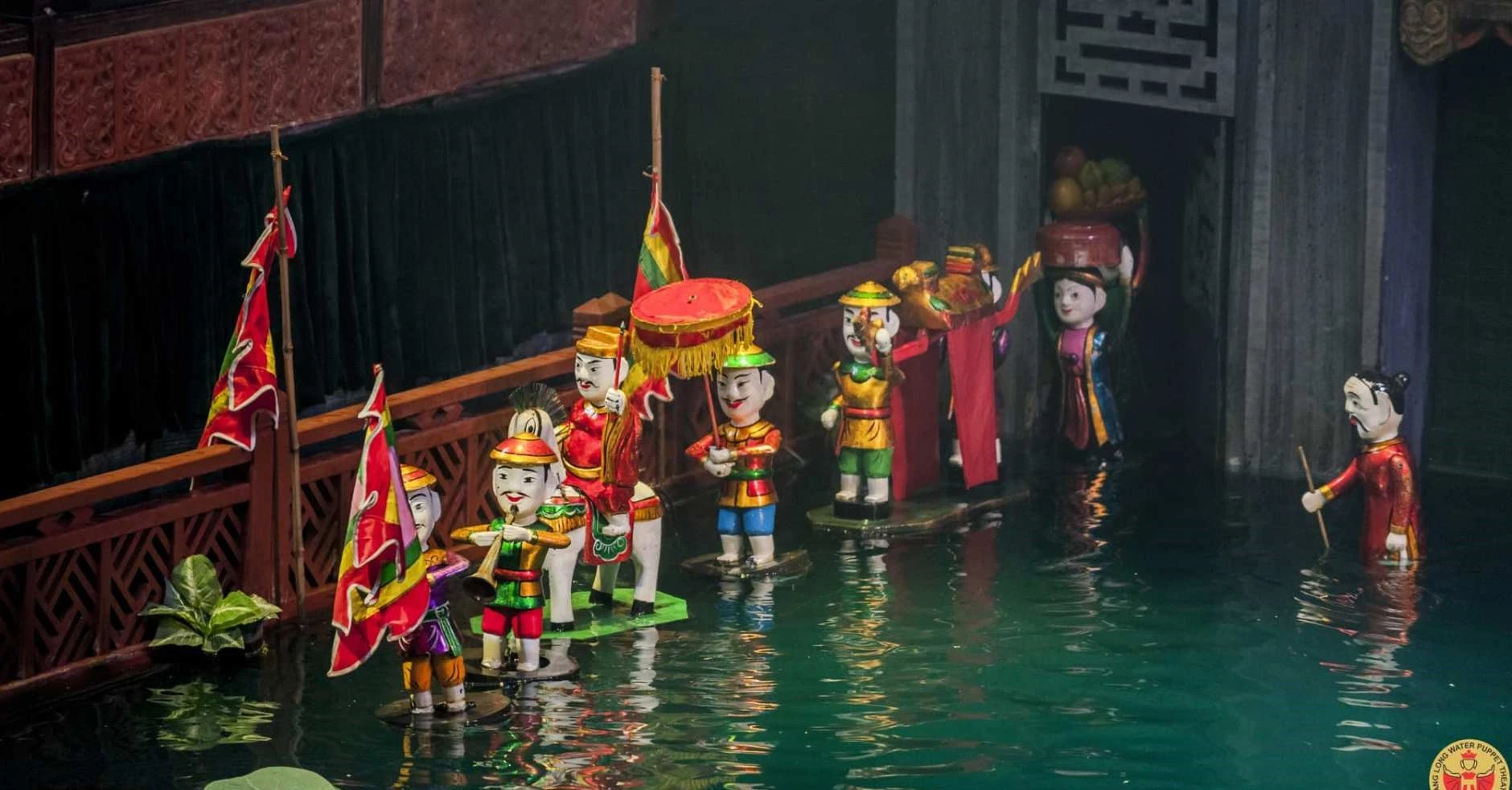
Some of the water puppets.
More water puppets.
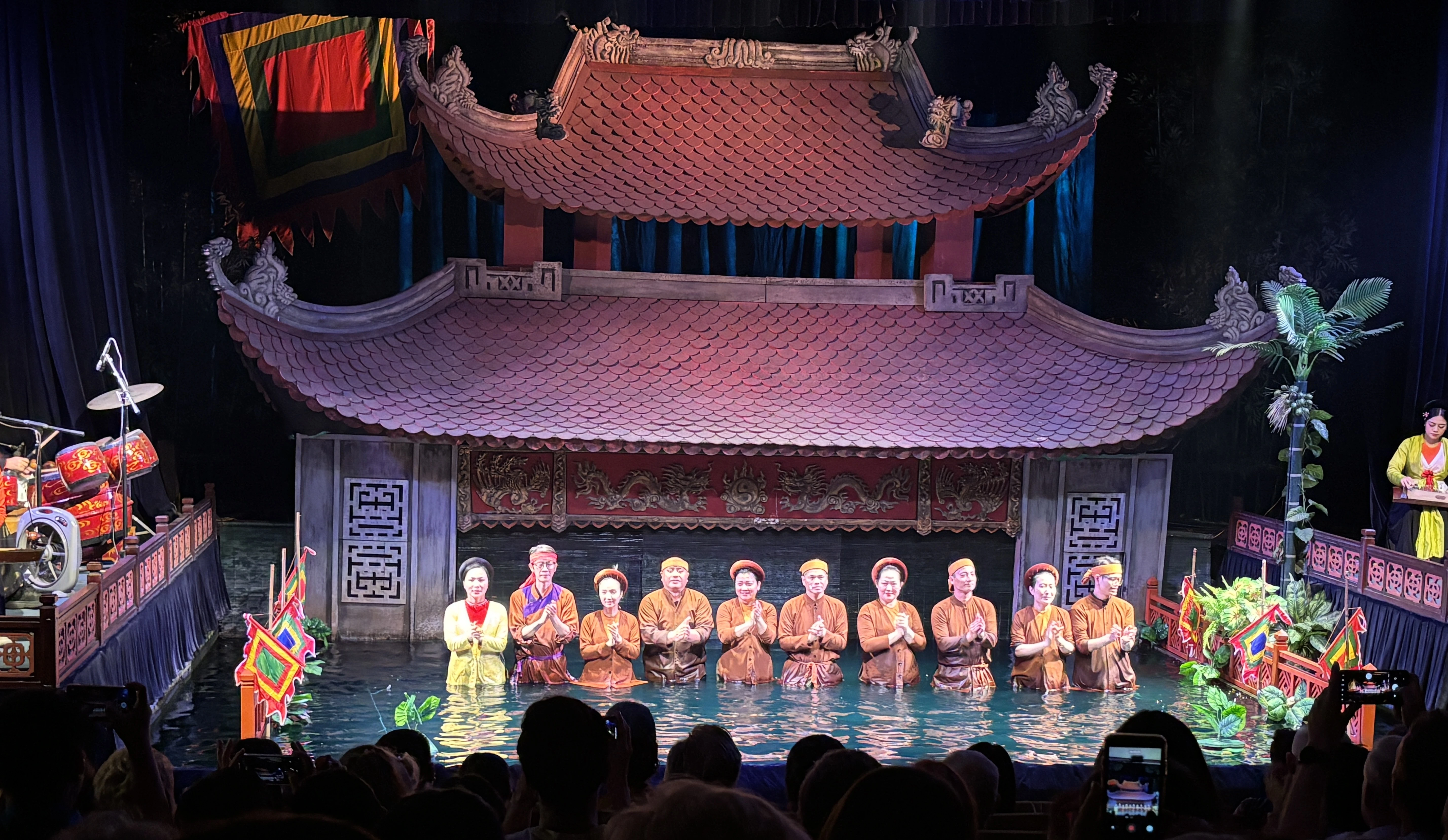
The water puppeteers.
Traditional music - Thang Long Water Puppet Theatre.
HANOI • WRAPPING UP DAY 4
After the water puppet show, we were all very tired so we walked to a nearby restaurant for dinner, then back to the hotel for a well-deserved sleep. We did a lot on the first day!
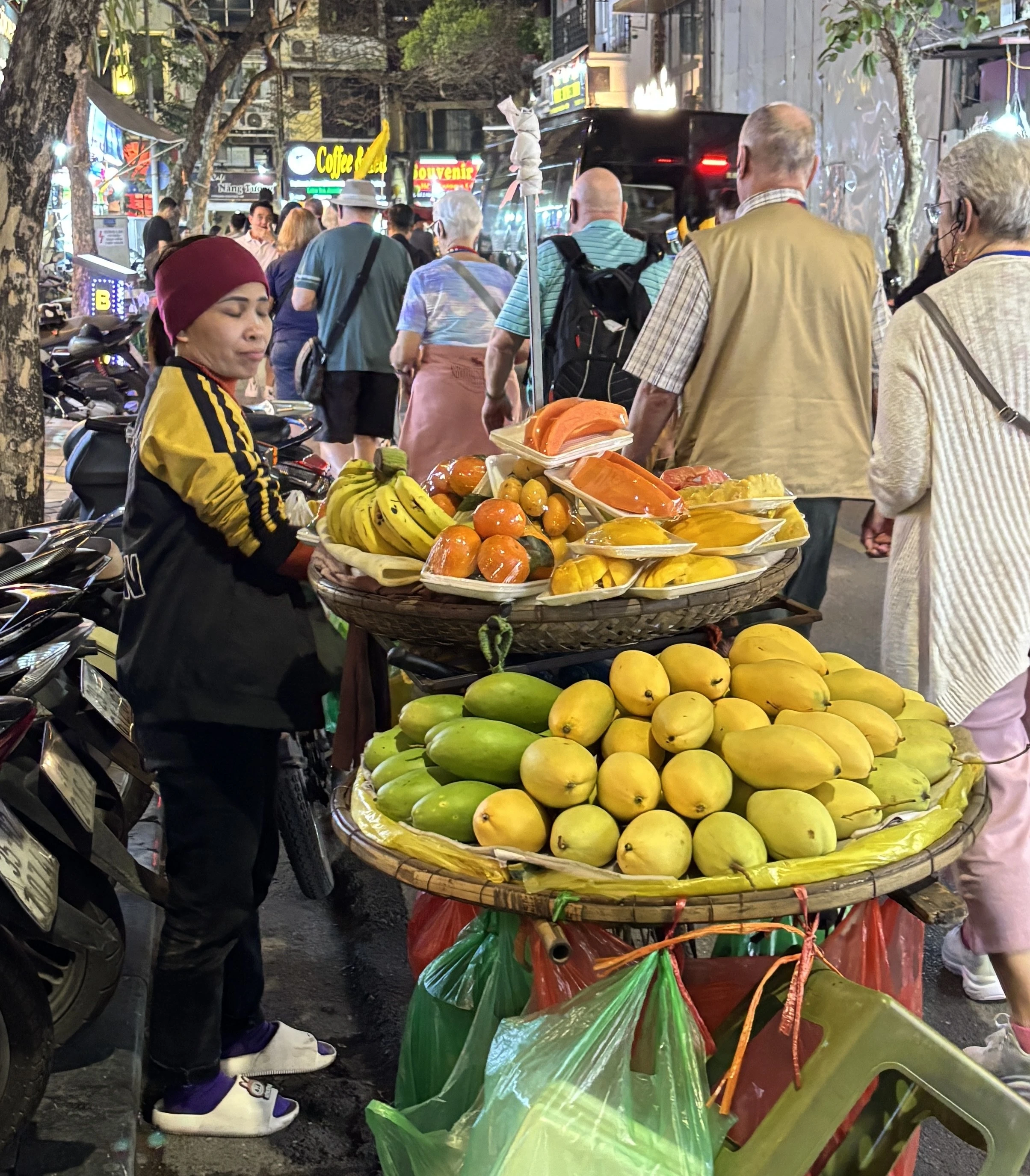
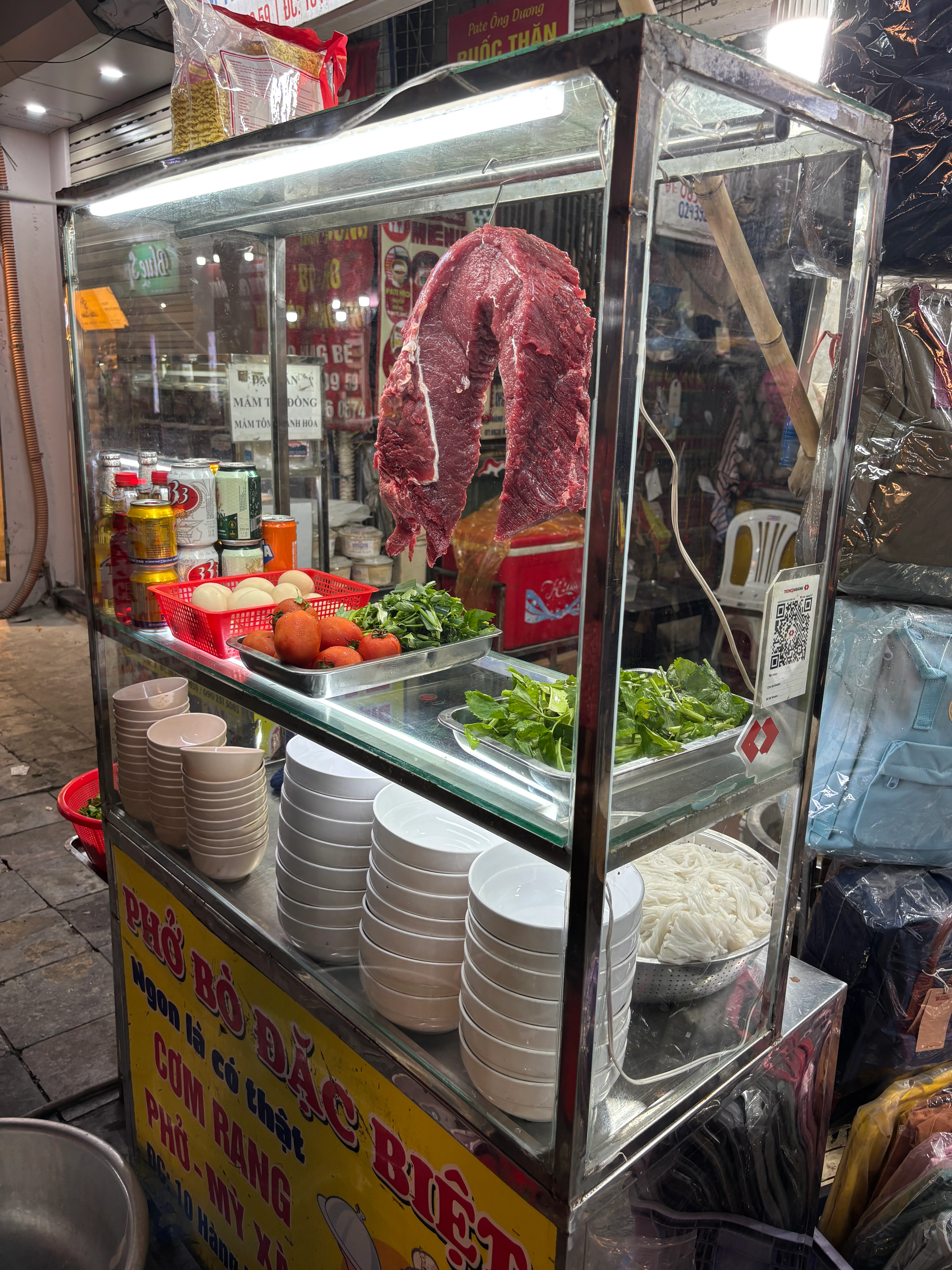
Street vendor on the way to the restaurant.
Another street vendor on the way to the restaurant.